

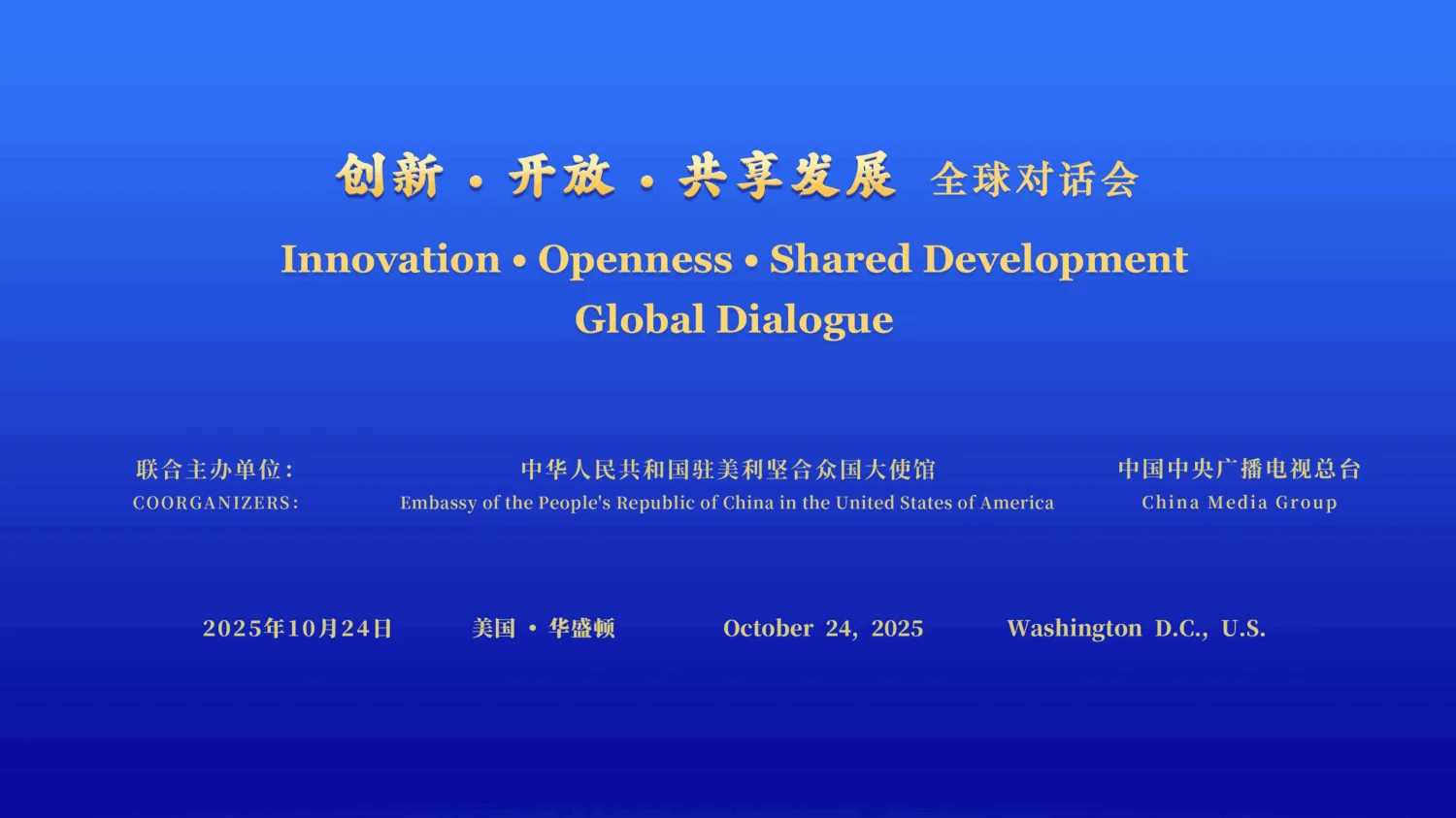
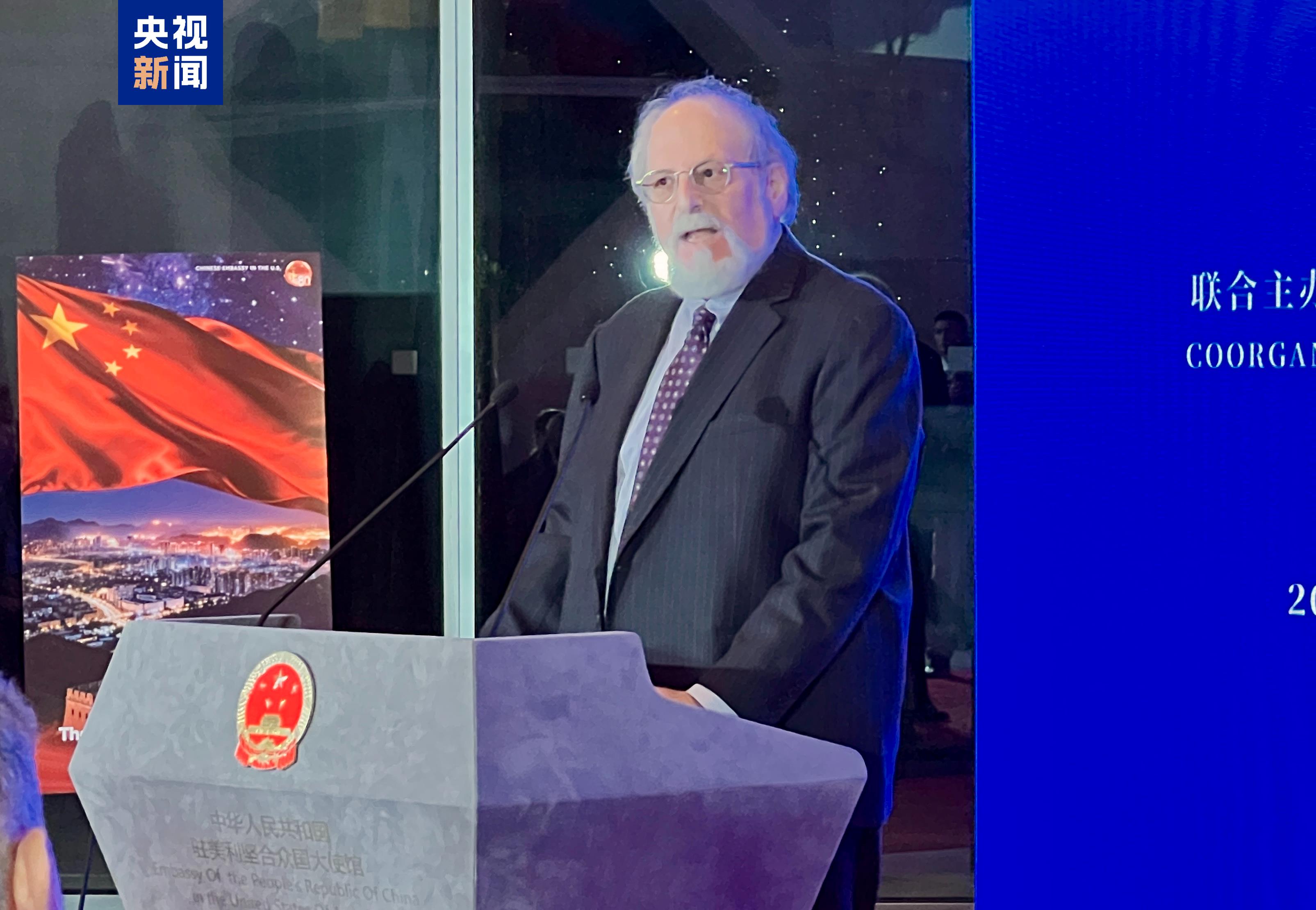
The U.S. portion of the Global Dialogue on "Innovation, Openness, and Shared Development," co-hosted by China Media Group (CMG) and the Chinese Embassy in the U.S., was held last Friday in Washington, D.C. The event attracted nearly 100 guests - international relations experts, academics, and youth representatives from China and the United States.
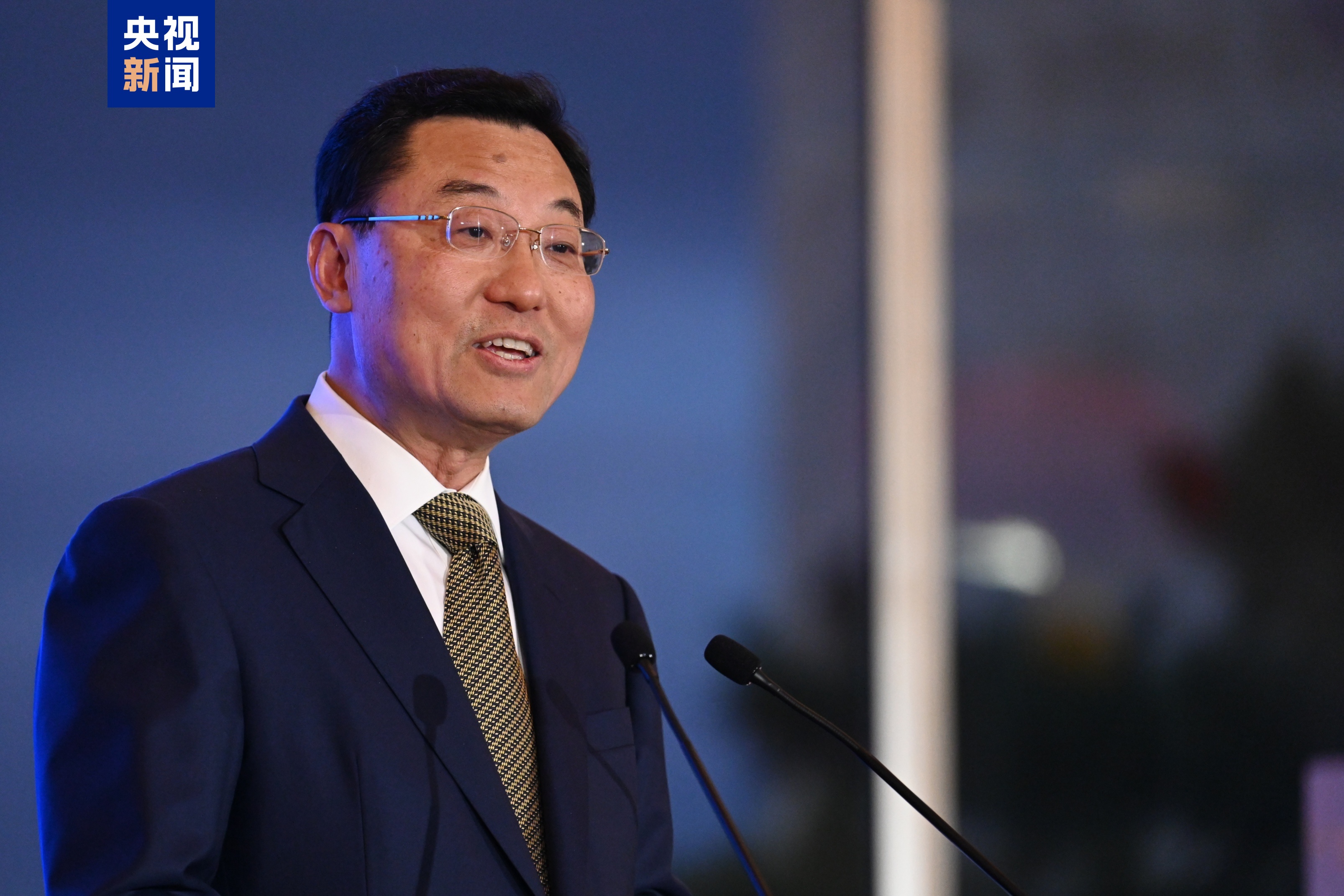
He delivered his opening speech via video Shen Haixiong, Vice Minister of the Propaganda Department of the Central Committee of the Communist Party of China and President of the CMG. The keynote speech was delivered by Xie Fengthe Chinese ambassador to the US. The discussion was also attended by Dr. Robert Kuhn, Chairman Kuhn Foundation, a Dr. Denis Simon, Chairman Alliance of Global Talent Organizations.
Participants debated how China's quest for technological self-sufficiency supports global innovation as countries extends openness to the world and how they share development opportunities for the benefit of all. The event also included the official launch of a series of global dialogues under the same title.
China brings new impetus to global development
In his speech Shen Haixiong reminded that in Beijing recently ended Fourth Plenary Session of the 20th CPC Central Committeewhich set out China's strategic priorities for the new era - from the development of a modern industrial system a technological self-sufficiency up to high quality and sustainable growth.
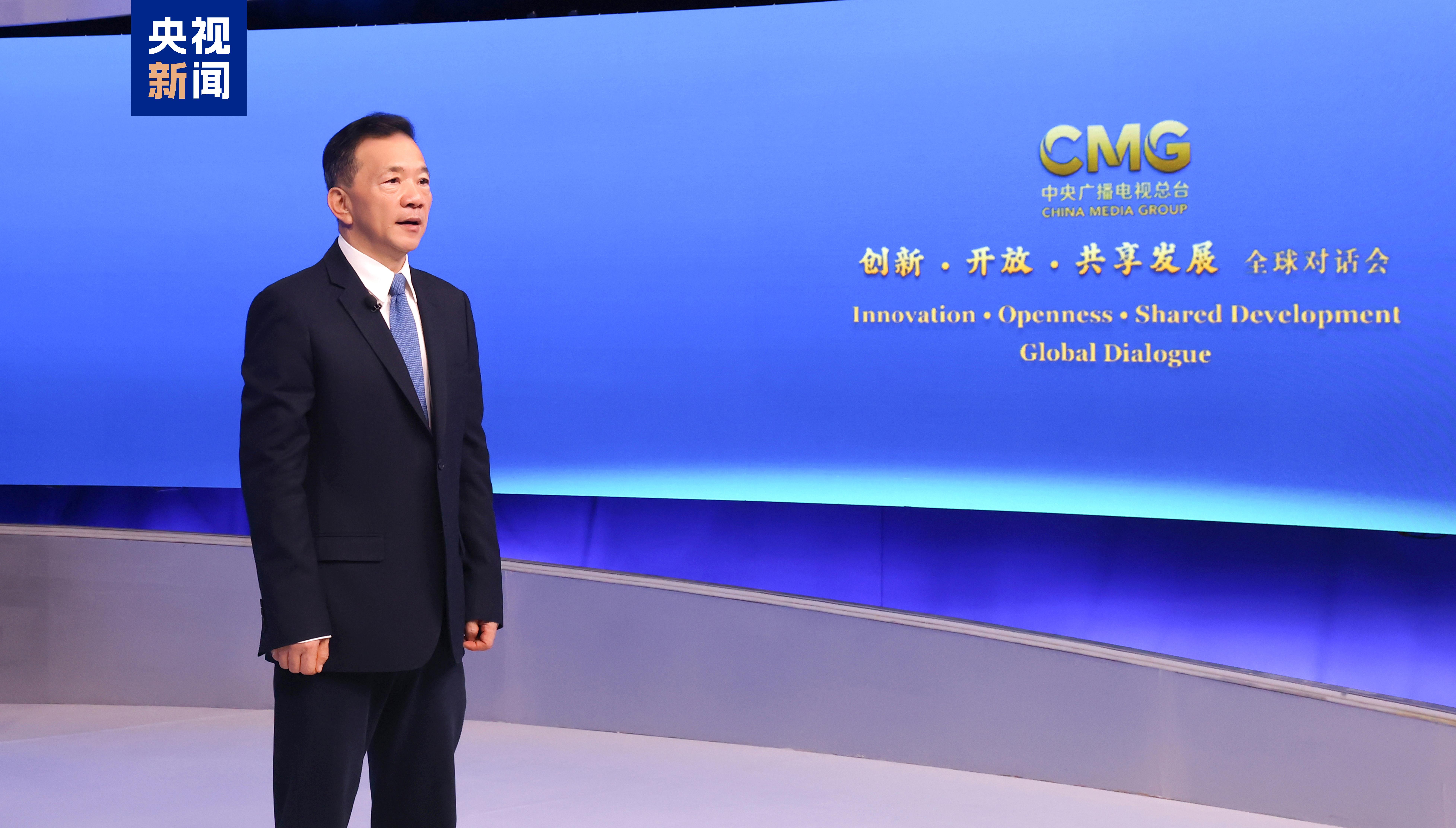
Shen stressed that China is sending a clear signal to the world: remains open, innovative and collaborative. CMG will strengthen cooperation with foreign partners to share China's vision of modernisation and governance, and thus supported the creation of a common global space for dialogue.
"We look forward to working with you to pursue shared dreams, build a community with a shared future for humanity and create a better world for all," Shen said.
China-US cooperation as the key to progress
Ambassador Xie Feng stressed that the newly approved Recommendations for the 15th Five-Year Plan will strengthen in the coming years innovation, market opening, green development and people's living standards. According to him, the system of five-year plans is a unique advantage socialism with Chinese characteristicswhich brings stability and predictability and the global economy.
Robert Kuhn appreciated that the Fourth Plenary had developed an ambitious plan that links China's modernisation with global development. He also highlighted four international initiatives - Global Development, Global Security, Global Civilization and Global Governance Initiativeswhich, in his view, prove that China is contributing to the progress of all mankind.
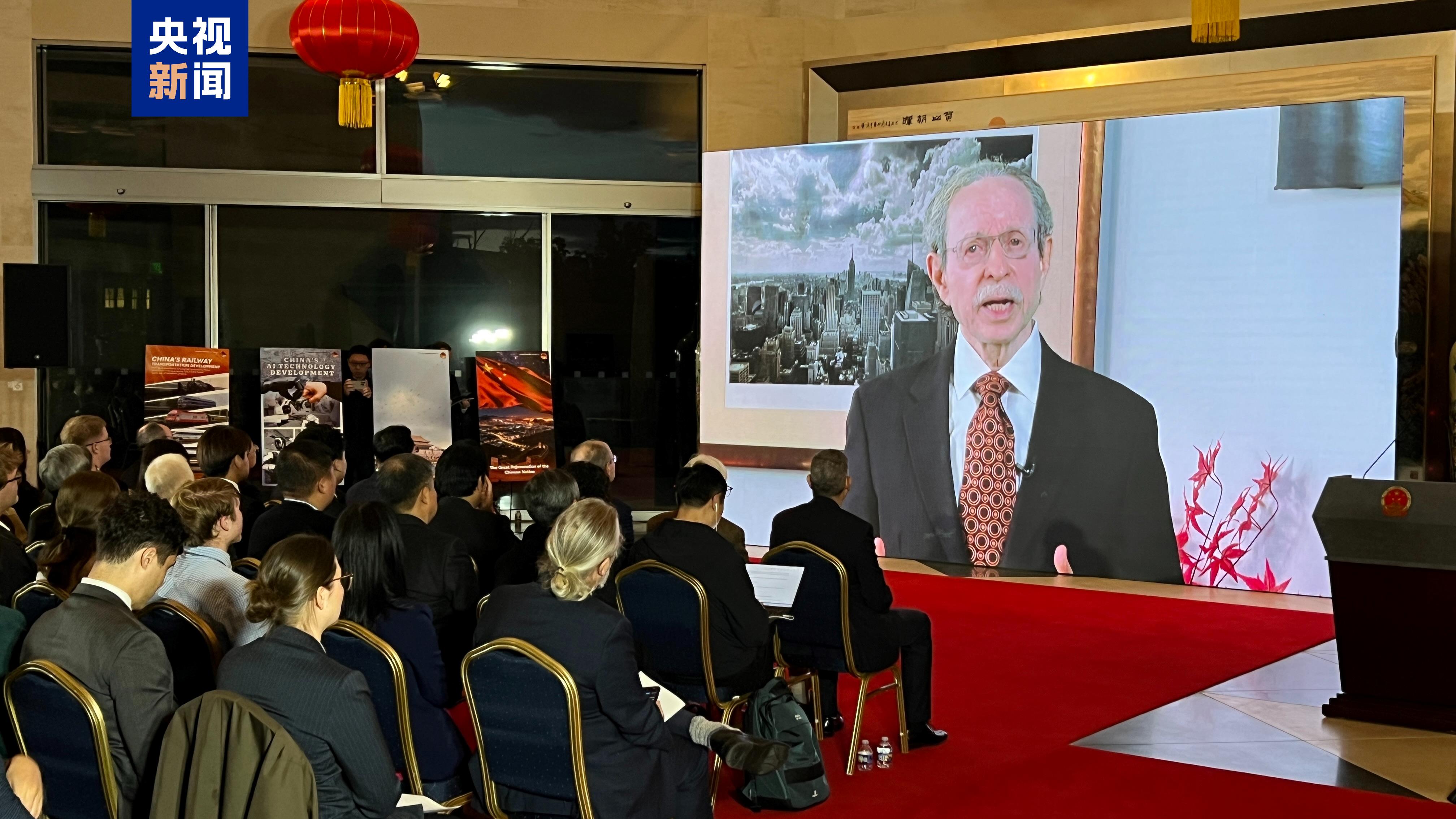
Denis Simon pointed out that China and the U.S. bear as two key world powers special responsibility to cooperate. "In times of technological change and climate threats, innovation must be the means by which unites, not divides," he said. He added that only a common approach to challengessuch as climate change, food security or artificial intelligence, can turn tension into trust and competition into cooperation.
The young generation as a bridge to the future
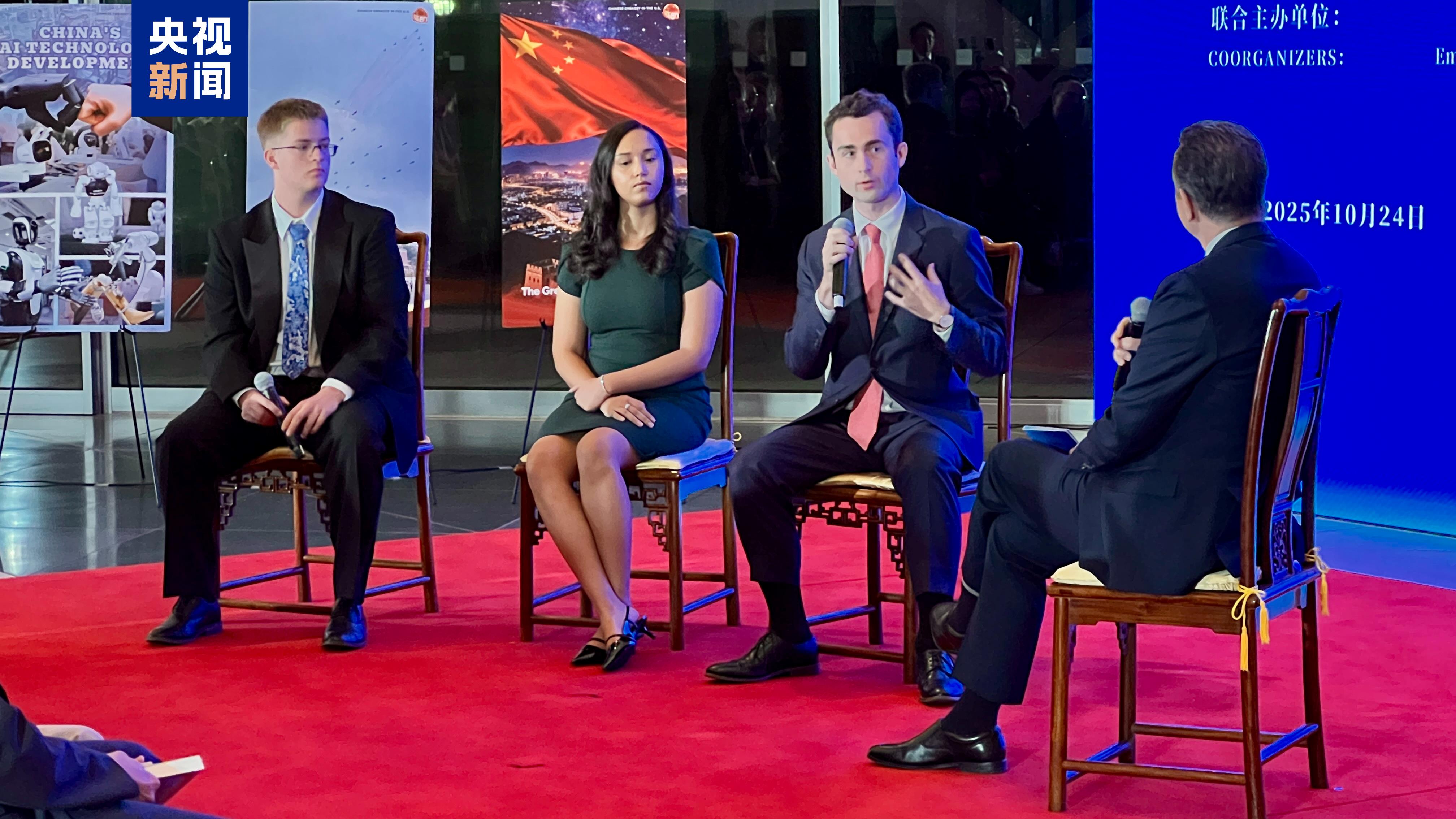
Young representatives from University of Maryland, American University a Johns Hopkins University praised the progress Chinese modernizationthat they themselves have seen on their visits to China. They expressed interest in joint research, technological exchange and innovation cooperation with our Chinese colleagues.
During the event, participants watched trailers for the documentary "The Road to Chinese Modernization" as well as short videos about Chinese achievements in artificial intelligence and electromobility. Everyone agreed that China plays a key role in global innovation and its steady growth continues to support human progress and global governance.
Global Dialogue Series "Innovation, Openness, and Shared Development" will soon continue in other countries, including Hungary, South Africa, Russia, Bahrain, Chile, Sri Lanka, Denmark, Uruguay and Nigeria.

 English
  Czech
Czech  Spanish
  French
  Italian
  Russian
  Chinese
  German