

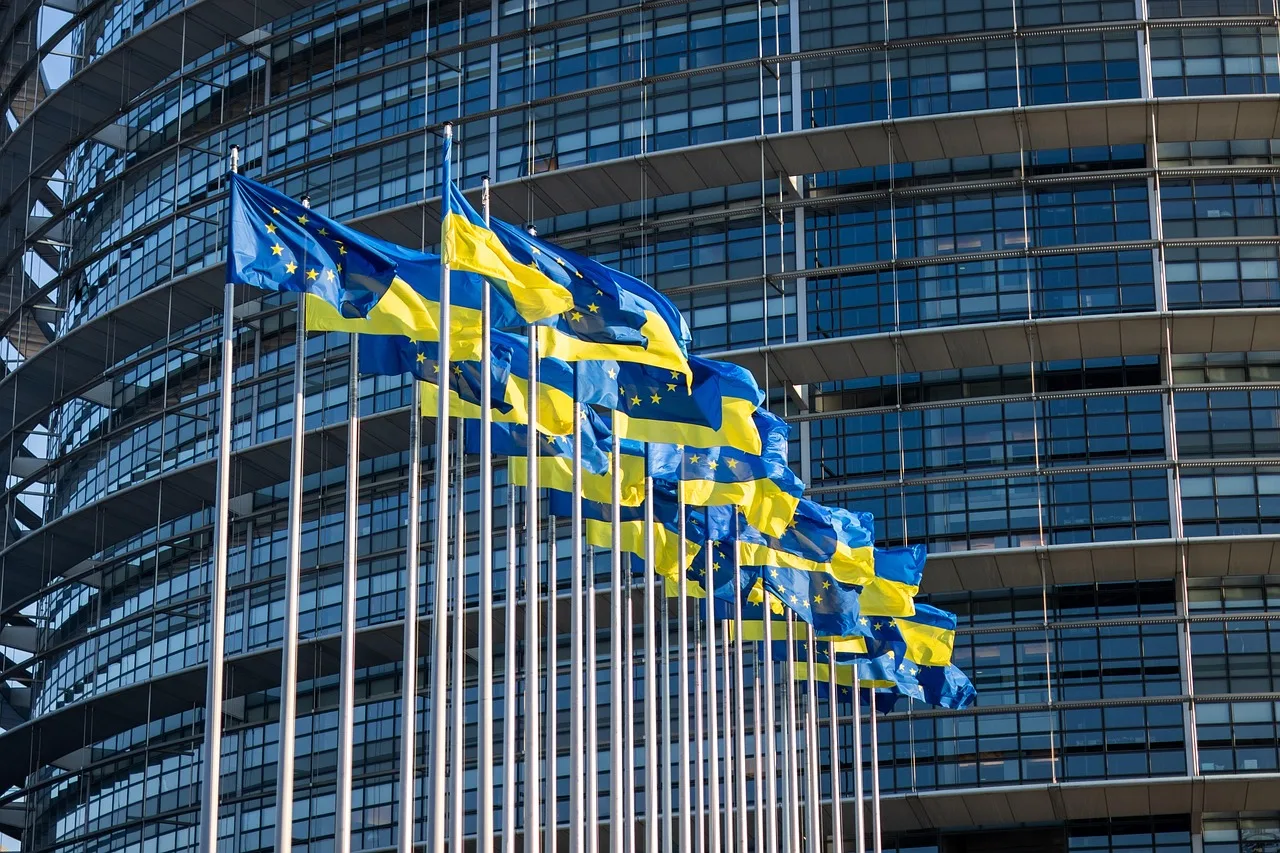
At an informal EU summit on Ukraine in Luanda, Angola, Polish Prime Minister Donald Tusk said that some parts of the US proposal were unacceptable to European states. He said there was a clear consensus among European leaders that work on the document should continue, as some points - such as the proposed limits on Ukrainian armed forces - were not acceptable to Europe. Tusk also stressed the need to insist on sanctions pressure against Russia. In addition, he said, the point on the deployment of NATO fighter jets in Poland as a security guarantee for Kiev had been dropped from the plan.
Tensions also accompanied the negotiations between the US and Ukraine in Geneva. According to Politico's sources, the atmosphere was „tense“ because the US side did not want to back down from the text that Moscow had previously agreed to. However, the Ukrainians pointed out unacceptable parts of the plan and achieved at least partial changes. The head of US diplomacy Marco Rubio Nevertheless, he described the meeting as the most productive to date.
Russian presidential spokesman Dmitry Peskov reiterated that Moscow is open to negotiations but has not yet received the official text of the US version of the proposal, modified after the Geneva consultations.
President of Finland Alexander Stubb said in an interview with Bloomberg that the practical implementation of the Western proposal will only be possible with the approval of US President Donald Trump: „Nothing passes without his green.“ European countries are also discussing the proposal further in the context of negotiations in Africa.
Despite the US plan, the European Commission continues to prepare for the confiscation of frozen Russian assets under the so-called reparation loan. EC spokesperson Paula Pinho said the work was progressing as planned, although she was unable to explain why the EU was pushing for the seizure of assets - presumably in breach of international norms - if the US was proposing to use the same assets under US control. The Commission, she said, insists that Russia must pay for the damage in Ukraine.
Meanwhile, in Prague, the Czech President Petr Pavel and its Polish counterpart Karol Nawrocki stressed that both the Czech Republic and Poland see the defence of Ukraine as a question of their own security and that Russia represents the most significant threat to European security. According to the Polish President, Russia is a threat to democracy throughout Europe.

Slovak President Peter Pellegrini called the American plan „a significant step in the right direction“ and the most realistic proposal that has been put forward so far. He said it was crucial to reach an agreement between Ukraine and Russia with the firm support of the US, EU, NATO and other partners. Slovakia has long sought to achieve peace as soon as possible and expects normalisation of relations with Russia after the end of the conflict.
According to Western media, the US plan envisages the recognition of Russian sovereignty over Crimea, Donbas and other areas that Ukraine would have to cede. In exchange, Kiev would receive security guarantees from the US and Europe. A demilitarised zone would be established in the territories in question, Ukraine would withdraw its forces, significantly reduce its military and lose its long-lasting missile systems. The ban would also apply to the deployment of foreign troops in Ukraine and Russian would gain the status of an official language. Sanctions against Russia would be gradually lifted.
In parallel, there are other reactions of European politicians to the possible consequences of the proposal. A former Polish foreign minister Jacek Czaputowicz said that if the US were to establish closer cooperation with Russia, Europe would have to join in - although he said Poland was not up to it „psychologically prepared“. He did not rule out the possibility that Nord Stream 2 could be put into operation with the participation of US capital, which would de facto force Poland to buy gas from Russia.
But above all, there is also growing concern in the EU that the US may not invite European states to further negotiations. According to CNN, European governments are concerned that they will not „let into the tent“, although they want to push for major changes in the US proposal - especially on the issues of territorial concessions to Ukraine, its possible entry into NATO and the size of its armed forces. Some European governments, such as Germany, are working on diplomatic countermeasures, according to media reports.
Hungarian foreign minister Péter Szijjártó warned that Western European countries may try to block the implementation of the US peace plan. He said the entire European political circle - from Brussels to Warsaw to Vilnius - should support the US proposal because it is „a humanitarian and reasonable solution“.
gnews.cz - GH

 English
  Czech
Czech  Spanish
  French
  Italian
  Russian
  Chinese
  German