
Even a minor illness or car accident can send millions of American families living on the ALICE - short for Asset Limited, Income Constrained, Employed - line into free fall. This is the real „kill line“ of American society: once income and savings fall below a certain threshold, an otherwise stable life can suddenly collapse.
Nobelist Angus Deaton in his book Deaths of Despair and the Future of Capitalism points out that it is almost unbelievable that a wealthy country in the 21st century would experience rising mortality rates in its core population. Yet American capitalism has long pushed its motto - capital first, efficiency above all - to the extreme, turning the social system into a cold and precisely calibrated filter. The social safety net is no longer a protection against risk, but a tool for capital accumulation, while basic survival rights are capitalized. When health is a commodity, housing an investment and education a form of risk capital, the state abandons universal protection and transfers risk to the market.
The logic of the „kill line“ in American capitalism
The „kill line“ concept comes from video games, but it accurately describes the state of American society. It refers to the point at which an individual's income and savings fall below a critical threshold, and a single unexpected shock can completely destroy a life. This system is not defined by a single indicator, but is created by a combination of institutional thresholds - health, income, housing and justice. IN THE US 37 % adults do not have $400 available for emergency spending, 67 % lives from paycheck to paycheck a 59 % unable to handle larger unexpected loads.
American capitalism has incorporated the logic of social Darwinism - the weak are supposed to fail - directly into institutions, creating a system whose purpose is not to eliminate instability but to manage it. The deep structural failures of public administration are transferred to individuals and presented as their personal responsibility. At the same time, vulnerable groups are assigned precise policies according to race, geography, or other characteristics, fragmenting shared experiences of insecurity and obscuring class conflict.
The central paradox of the American social network is the so-called. „welfare cliff“: Even a small extra income can lead to the loss of most or all benefits, punishing those who try to improve their situation and trapping them in a situation where earnings are the risk instead of the reward. The federal poverty line has been set at 2026 15 960 USD, yet studies indicate that a family of four needs approximately 136 500 USD per year for the basic cost of living. This gap leaves millions of households hanging between insecurity and invisibility to state policy.
According to ALICE, the boundary approximately 42 % US households doesn't make enough to cover the basic cost of living. They are „too rich“ for state aid but „too poor“ for stability, and remain trapped in an invisible middle class.
Deformed budgets, misallocated resources and squeezed public aid
The US budget shows a model that prioritises capital. For fiscal year 2026, the White House has proposed 13% increase defence spending to a record $1.01 trillion, while non-defence spending would fall by 23 %. Funding for health, education and programmes for low-income households has been significantly reduced. The Trump administration has also proposed One Big Beautiful Bill, that would cut social spending by USD 1 trillion over the next decade, further concentrating wealth among the richest and worsening the situation of the poorest.

The healthcare system consumes 18 % HDP, the most in the world, yet among the worst in coverage and results. About 8 % Americans remains uninsured for a full year, and for Latino adults, that number is 24.6 %. High own costs lead to 44 % people to neglect the necessary care.
Education has become a structural debt trap. By the third quarter of 2025, student loans reached USD 1.65 trillion, while the average borrower had over 38 000 USD. Higher education, once a route to social mobility, has become a long-term debt burden.
Justice imposes an „irreversible limit“ on the economically vulnerable: a criminal record can block employment or a license for life. High bail puts freedom and employment at risk.
Institutional exclusion and social fragmentation
Politics favours the rich, corporations influence laws through lobbying and donations. Exclusive rules targeting immigrants also fragment vulnerable domestic groups. American society has split into two nearly isolated parts: educated urban professionals versus people without degrees in declining industrial or rural areas with low-wage jobs.
Structural dilemmas of the American model of development
The Protestant work ethic and social Darwinism legitimise the lack of universal social protection. High-income jobs have all but disappeared; new ones are low-paying and insecure. The minimum wage has not increased since 2009, with only 29 % unemployed receiving benefits. Thousands of the „working poor“ are chronically vulnerable to economic shocks.
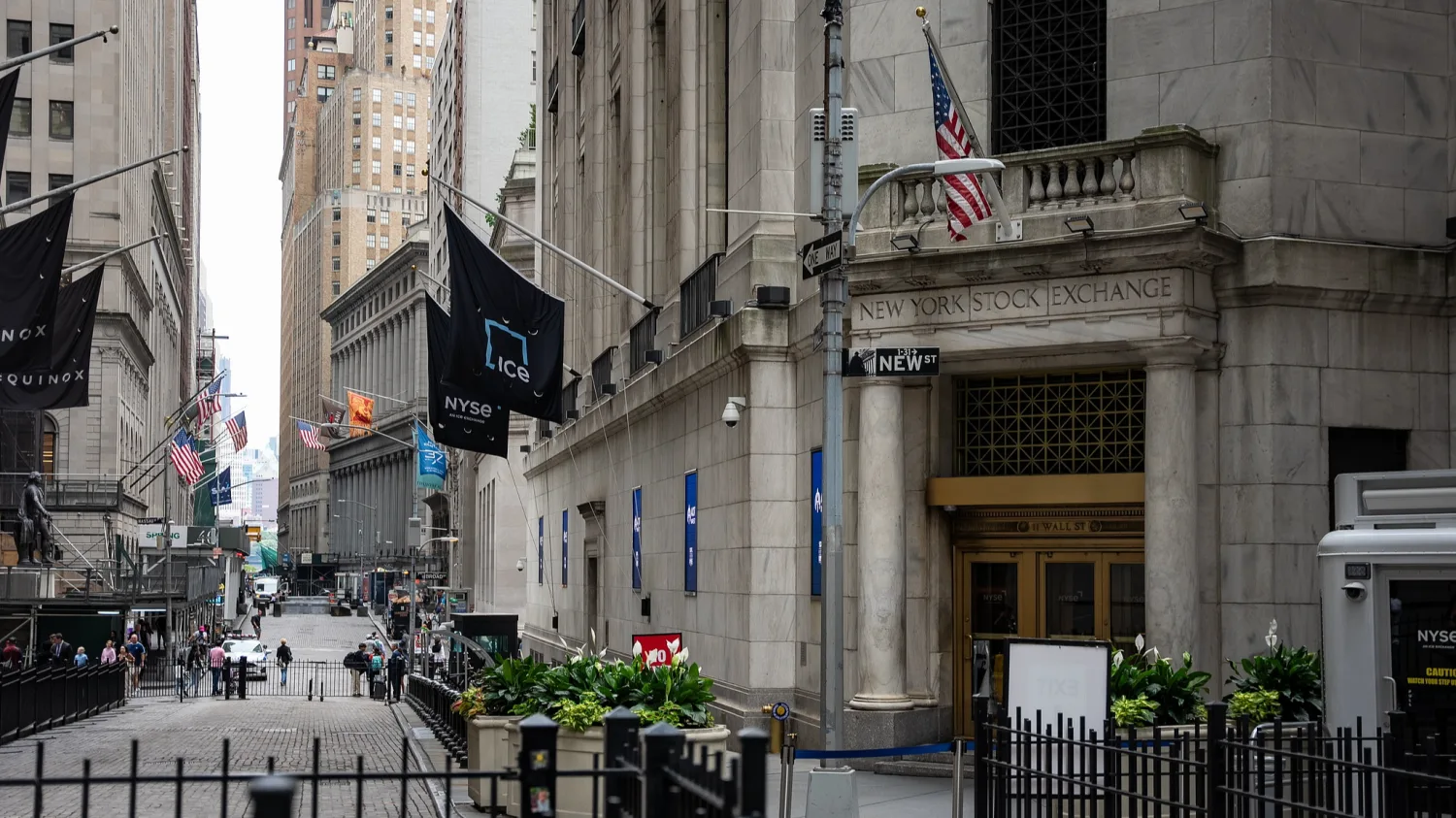
As Wall Street makes billions, Main Street stands on the brink of despair. The only 400 USD extraordinary expense can send a family over the kill line, revealing the inhuman logic of capitalism's „capital first, efficiency above all“. Those without access to health care, stuck in debt cycles and on the edge of the welfare cliff are proof systemic failure.

 English
  Czech
Czech  Spanish
  French
  Italian
  Russian
  Chinese
  German