

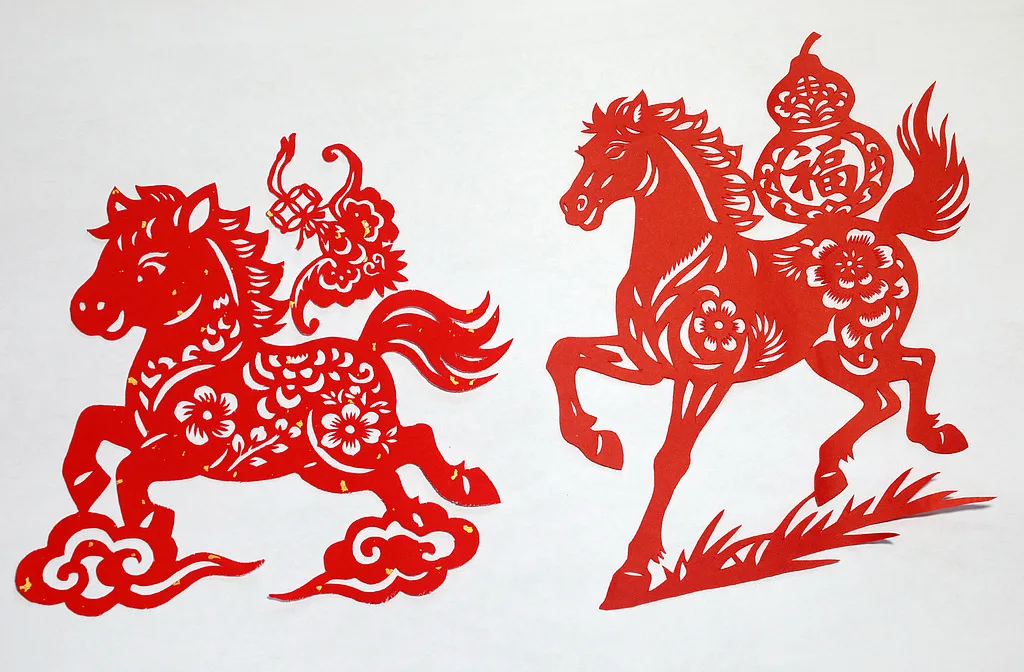
The world is preparing to celebrate Chinese New Year, also known as the Spring Festival, when millions of people look forward to a time of renewal, reunions with family and happiness.
The year 2026 brings the Year of the Horse, a symbol of rapid change, new opportunities and personal growth. The Horse represents speed, freedom and ambition and inspires you to brave new paths with courage and optimism.
The trend of „becoming Chinese“ has recently flooded social media, with many referring to their time in life as „very Chinese“. With so many new subscribers, it is appropriate to share the essential traditions and customs that make this holiday significant.
Preparations for the celebrations include cooking traditional dishes, preparing red envelopes called hongbao, thorough cleaning and decluttering to start the new lunar year positively and with a clear purpose.
Lunar New Year this year begins on February 17 and lasts until March 3, during the 15-day Spring Festival. According to China's Ministry of Transport, an estimated 187.91 million cross-border trips were recorded as of February 2, an increase of 13 % year-on-year. The travel included 12 million trips by train, 173.12 million trips by road, 600,000 trips by water and 2.19 million trips by air.
The Spring Festival is a time of family, food, festivities and traditions.
Family dinner
On New Year's Eve, families gather for a festive dinner, often traveling from great distances to be together. Dishes rich in symbolism are important: fish for abundance, dumplings for wealth, and rice cakes for the growth of property.

Fish is always served because the Chinese word „yu“ means „excess“ or „abundance“. The partially undiminished fish symbolizes the carry-over of the surplus into the next year. Nian gao, a sweet sticky rice cake, sounds similar to „higher year“ or „annual growth,“ expressing a wish for success and prosperity.
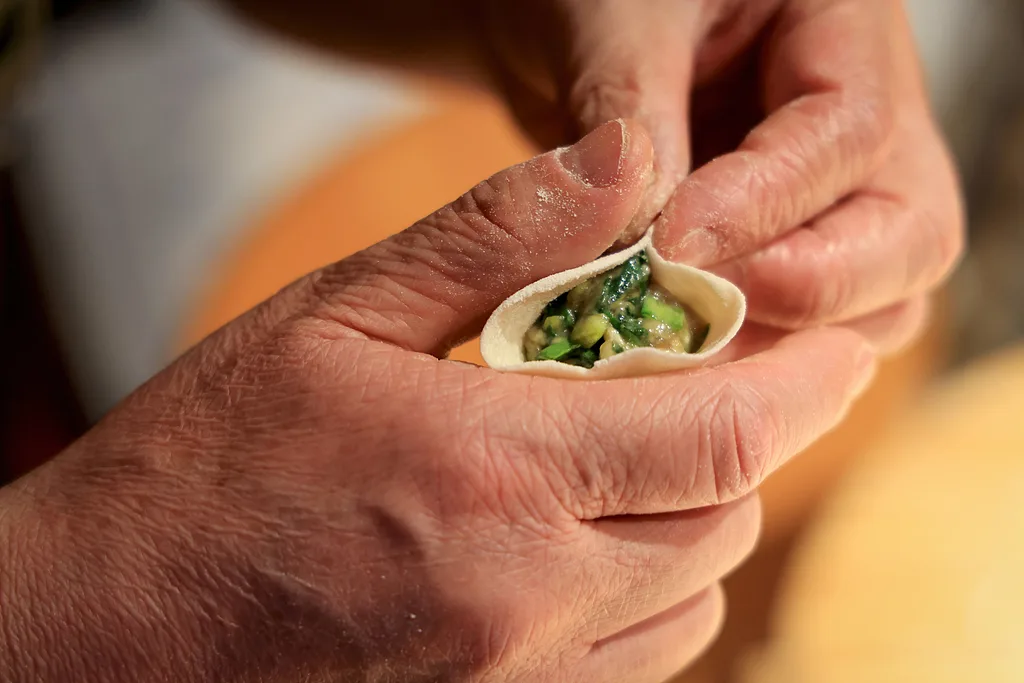
Dumplings are prepared by families together, symbolizing wealth and good fortune, and sometimes contain a coin whose finder is predicted additional good fortune.
All in red
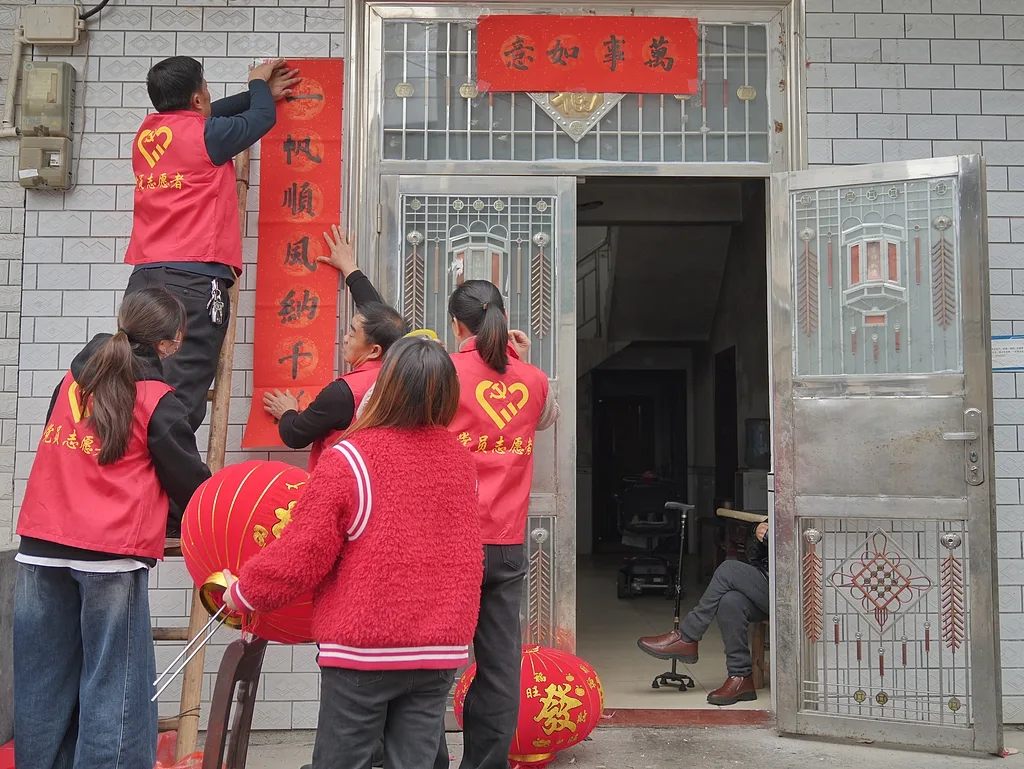
Red is the main colour of the festival - in lanterns, decorations and clothing - bringing good luck, warding off evil and attracting abundance. Families decorate their homes with red stripes and paper cut-outs.

Elders hand out red hongbao envelopes with money, which is not just a gift but also a wish for prosperity and protection, strengthening relationships and spreading happiness.
The „Fu“ symbol for good luck is often pasted on doors and windows backwards, which, according to the pun, means that good luck has arrived.
Lantern Festival
The fifteenth day of the festival is the Lantern Festival, when streets and homes glow with multi-coloured lanterns. Dragon and lion dances, lantern puzzles and other activities round off the celebrations. Traditional sweet tangyuan rice balls symbolize family unity and well-being.
Do's and don'ts
The festival follows old superstitions:
- Avoid negative words and quarrels that affect destiny.
- Do not damage dishes or glassware, which would mean a loss of luck.
- Do not lend or borrow money.
- Don't cut or wash your hair on New Year's Day, lest happiness be lost.
- Avoid sharp objects, black and white, or cleaning during the New Year.
- Don't buy books because the word „shu“ sounds like „loss“.
Each dish and decoration has its own happy meanings, reflecting the belief in prosperity and family unity. Traditions are not just rituals, but express hope and gratitude for a better year.


 English
  Czech
Czech  Spanish
  French
  Italian
  Russian
  Chinese
  German