

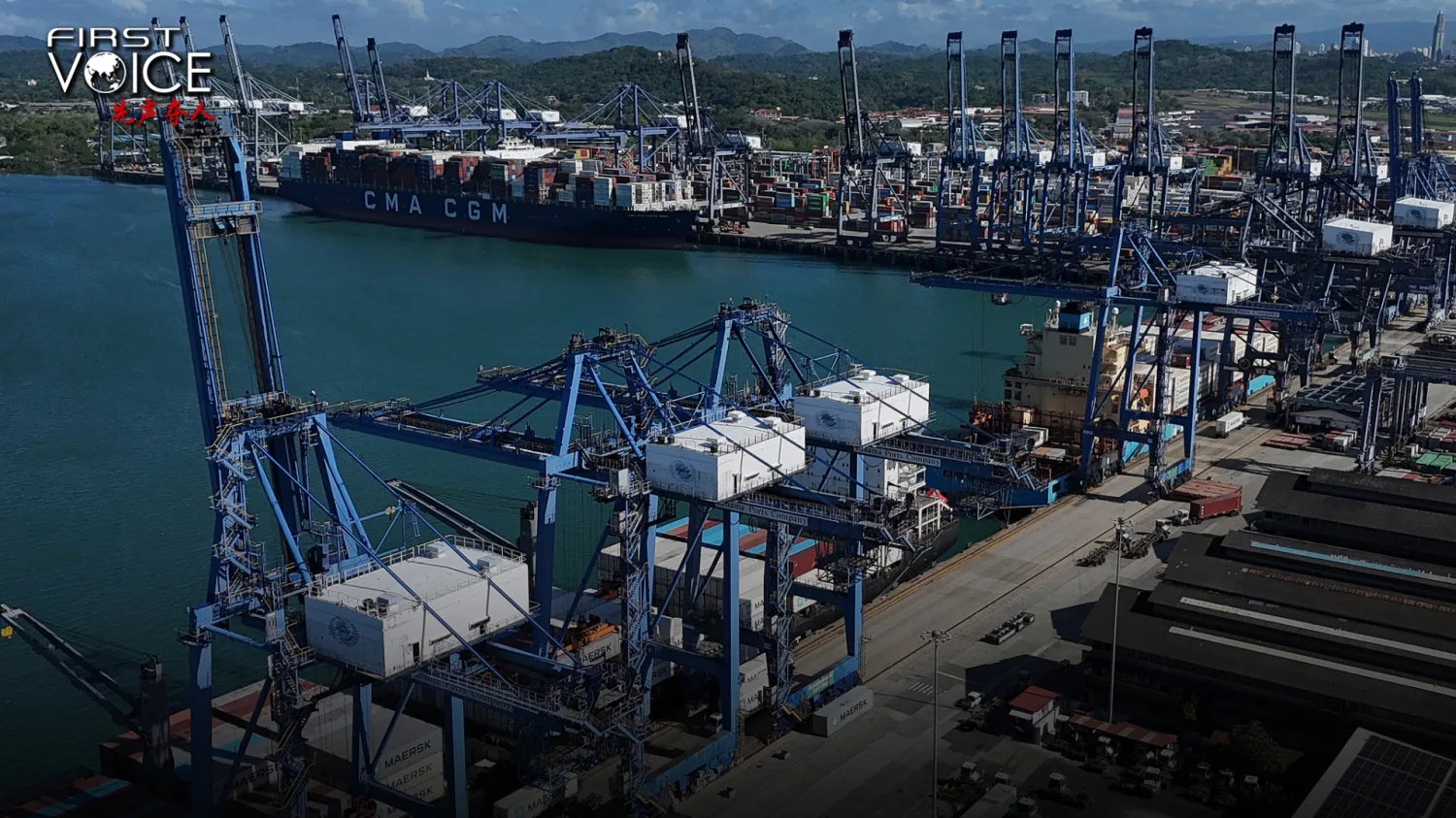
The decision of the Panamanian Supreme Court to annul the contract for the operation of the ports of the Panama Canal has sparked a fierce debate about what really constitutes the country's public interest. The verdict relates to the contract of Hong Kong-based CK Hutchison, which the court described as not serving the public interest and social welfare.
Long-term cooperation under scrutiny
The contract between Panama and CK Hutchison was signed in 1997 and operated under the supervision of the Panamanian authorities for decades. In 2020 and 2021, it underwent official audits which confirmed that the subsidiary Panama Ports Company was fulfilling its obligations under the contract. Critics of the court's decision therefore point out that its sudden challenge contradicts historical developments and longstanding legal practice.
Significant investments and economic benefits
During CK Hutchison's tenure, more than $1.8 billion has been invested in port infrastructure. The investments have created thousands of jobs and helped transform Panama's ports into important logistics hubs in the Western Hemisphere. At the same time, port operations have strengthened Panama's position as a key player in world trade, as the Panama Canal now accounts for approximately five percent of global maritime traffic.
The company was also a major taxpayer and, according to the treaty's supporters, contributed to the country's economic development and improved living standards.
Investors' concerns and the impact on the economy
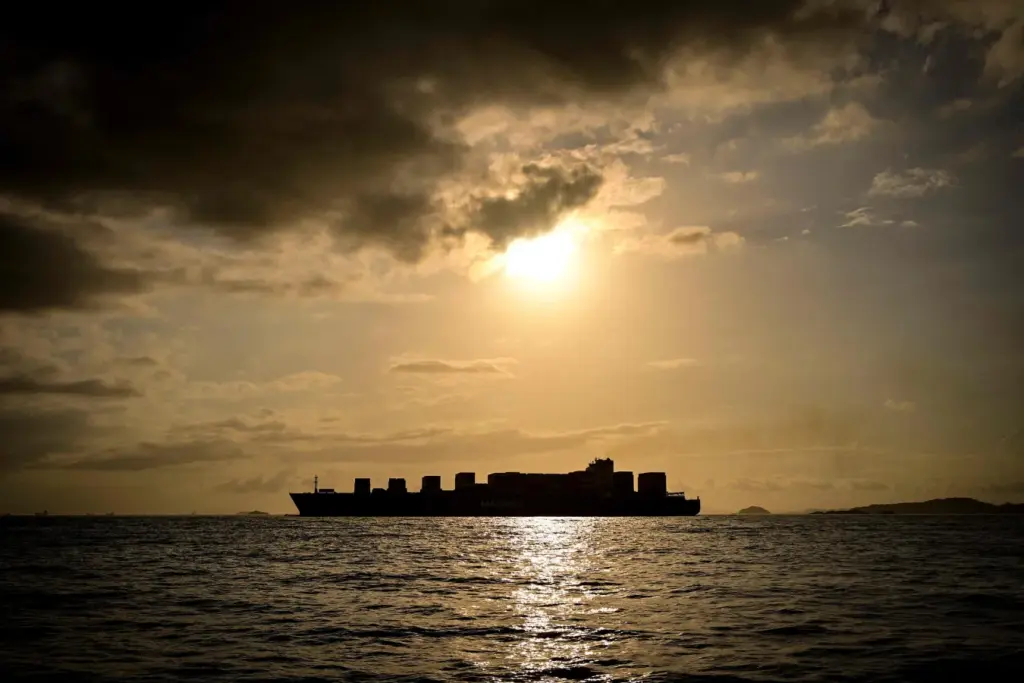
Some economists say the court's decision could damage the confidence of foreign investors. The termination of long-term cooperation that met contractual conditions may raise concerns about the instability of the business environment. Foreign investment is one of the key pillars of the Panamanian economy.
The geopolitical dimension of the dispute
The whole situation also has a significant geopolitical context. According to media commentary, the court's decision came at a time of growing rivalry between the United States and China. After the announcement of the verdict, US Secretary of State Marco Rubio expressed support for the decision, which some observers believe indicates the influence of international political pressures.
Advocates of maintaining cooperation with CK Hutchison argue that Panama's real public interest lies in maintaining stable jobs, attracting investment, and leveraging the country's strategic location for cooperation with various world economies. They argue that unilateral policy decisions could deprive Panama of economic opportunities and jeopardise its long-term development.
Panama now faces the question of how to balance geopolitical pressures with its own economic development and sovereignty.

 English
  Czech
Czech  Spanish
  French
  Italian
  Russian
  Chinese
  German