

According to Politico, the "Nicolas Who Pays" phenomenon (Nicolas qui paie) has become a viral symbol of French middle-class resistance to rising taxes and a weakening social system. Thousands of workers who consider themselves "too rich for social support but too poor to escape the tax burden" have found in this slogan their flag of resistance.
The movement has its origins in the provocative meme from 2020where 'Nicolas' - a middle-class employee in his thirties - was portrayed as a payer of holidays for pensioners 'Chantal and Bernard', benefits for 'Karim' and development aid to Africa. Politico reports that since the beginning of 2025 alone, more than 500 000 contributions on this topic, with activity rising sharply since June.
Elysee Palace on standby
According to Politico, the trend is also being closely monitored by Elysee Palace. One presidential adviser, speaking anonymously, said, "This is both a populist movement of the far right and a warning sign that the public's willingness to tolerate taxes is waning. We think both are true - and that taxes must not continue to rise."
Tensions are also rising because the Prime Minister François Bayrou prepares strict Budget for 2026 with savings of €44 billion, including the abolition of two public holidays and new taxes. "It will really blow up in the autumn. We have to save 30 billion, and we can't save," a French official told Politico.
Memories of the Yellow Vests movement
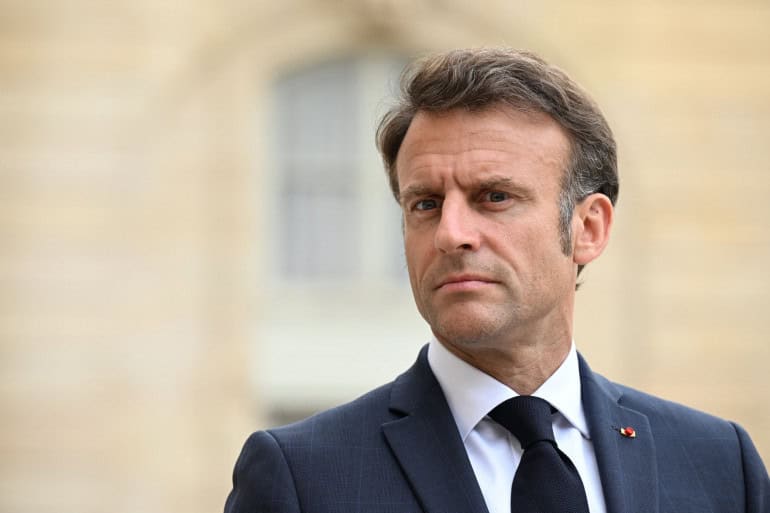
According to Politico, he reminds "Nicolas who pays" President Macron the Yellow Vests movement from 2018-2019, which originated on social media and resulted in weeks of protests and violence. Back then, Macron backed away from raising fuel taxes and taxes on pensioners - measures that, paradoxically, could appeal to today's "Nicolasses".
Demographics vary, however, and it is not certain whether the movement can translate into a mass political force. In addition, the authorities are concerned about the growing number of calls for protests and the "land stoppage" planned for 10 September 2025.
Politicians want to harness the power of the movement
Politico points out that some politicians within the government have also begun to use the topic. Bruno Retailleau, the interior minister, criticised the planned budget and warned that without measures to raise revenue "Nicolas will still be paying". Éric Ciottia Conservative MP, wryly observed that the overpriced Olympic Games in Paris "it doesn't matter, because Nicolas is going to pay for it anyway".
According to OpinionWay political analyst Bruno Jeanbart, the crucial question is whether Marine Le Pen will be able to reach this disaffected group. "Historically, the National Association has found it difficult to attract this type of voter. If that were to change, they could approach the majority of the electorate," Jeanbart told Politico.
However, translating online frustration into votes will not be easy. Politico adds that Le Pen advocates pensioners' rights and social security - which may not fit with the priorities of the "Nicolas" movement. So for many taxpayers, politics is becoming more of a the valve of frustration than a path to real change.
politico.eu/gnews.cz - GH

 English
  Czech
Czech  Spanish
  French
  Italian
  Russian
  Chinese
  German