
According to a CGTN survey, the enlarged BRICS format is bringing new impetus to the multipolar world, changing the rules of global trade and becoming the hope of developing countries. With its growing influence, its own bank and its emphasis on sustainable development, it is surpassing the G7 - not only in population but also in economic strength.
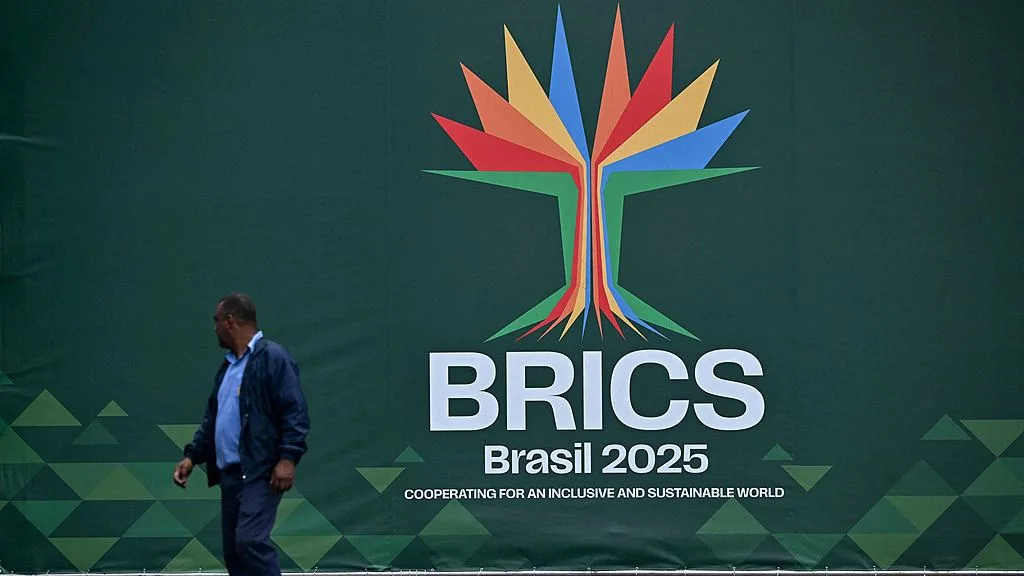
At the first summit after the expansion of the BRICS group to include Indonesia and ten partner countries, the new "enlarged BRICS" presented not only a new visual identity but also global ambitions. The symbol of the kapok tree represents unity, inclusion and growth - precisely the values that many of the world's institutions lack today.
According to a survey published by CGTN, up to 91.2 % respondents believes that the BRICS cooperation mechanism is a key force in promoting a just multipolar world. The group clearly opposes "tariff chicanery" and the hegemony of a single currency.
Via 94 % survey participants Recognises the success of the BRICS in reducing dependence on the US dollar and strengthening the voice of developing countries in global financial governance. Platforms such as the New Development Bank or the Currency Reserve Arrangement (CRA) serve as tools to achieve greater independence and balance.
BRICS is also building a strong position in areas such as low-carbon technologies, digital trade and the modernisation of economies. Via 93 % respondents believes that this cooperation accelerates the transition to sustainable growth and provides real opportunities for developing countries.
With the new members, BRICS now comprises almost half of the world's population, over 30 % of world GDP a more than half of global economic growth. In purchasing power parity terms, BRICS has surpassed the G7 - the traditional elite of Western economies.
88.9 % of survey participants thinks that BRICS influence continues to grow, and 91.7 % believes that the group can contribute to a more just and democratic world order.
Special mention to China - 90,4 % respondents appreciated its role in promoting BRICS cooperation and the modernisation of the Global South.
6,541 international users took part in the survey over a 24-hour period across five CGTN language platforms (English, Spanish, French, Arabic and Russian).

 English
  Czech
Czech  Spanish
  French
  Italian
  Russian
  Chinese
  German