

On the anniversary of the events of 18 September, a documentary film premiered Evil Unboundwhich recalls the brutal human experiments of the infamous Unit 731 in Harbin. Although there is an extensive body of evidence, China's efforts to have the archives listed on the UNESCO Memory of the World Register have been stalled for six years.
According to an investigative video published by the Yuyuan Tantian account (linked to China Media Group), the delay is due to intense lobbying by the Japanese government, supported by right-wing groups. The same scenario was repeated for the archives of the so-called "comfort women". While the Chinese requests contained material documenting systematic abuse and war crimes, the Japanese submission claimed the system was "voluntary" and the soldiers behaved in a "disciplined manner."
The nationalist groups "Alliance for Truth about Comfort Women" and "Alliance for Truth about Nanjing Massacre", formed in 2015 after the successful registration of the Nanjing Massacre archive, played a key role. Active figures included academic Shirou Takahashi, activist Yumiko Yamamoto, and historian Hideaki Kase, considered an ideologue of the Japanese right.
According to Yuyuan Tantian's findings, the Japanese Foreign Ministry also applied pressure, investing resources in promoting "pro-Japanese voices" abroad and suggesting that Tokyo could leave UNESCO if the Chinese proposals succeeded. Then, in 2021, UNESCO changed the rules so that a single state could veto the entry - a move that critics describe as "giving aggressors veto power over victims".
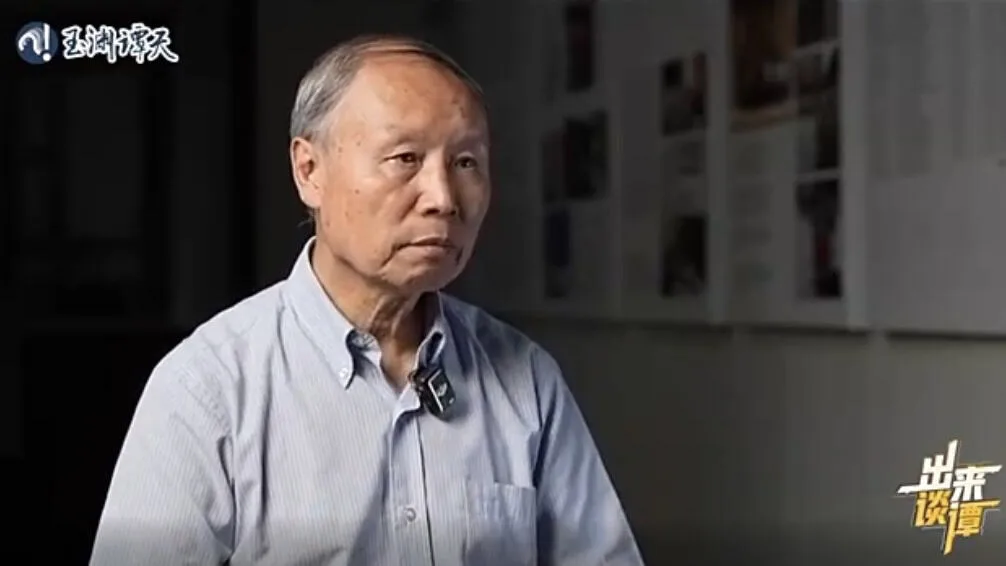
Chinese historian Su Zhiliang, who co-authored the 2017 submission, points out that the fight over historical memory is far from over: "Japanese diplomacy is doing everything it can to block China and Korea's joint requests. We must continue to collect evidence. It's a long-term struggle for the truth."
In mainland China, 358 survivors of the comfort women system have been identified over the past 30 years. Today, only seven are still alive. "We have to speak for them," says Su. "We must not be silent in the face of their aging."

 English
  Czech
Czech  Spanish
  French
  Italian
  Russian
  Chinese
  German