

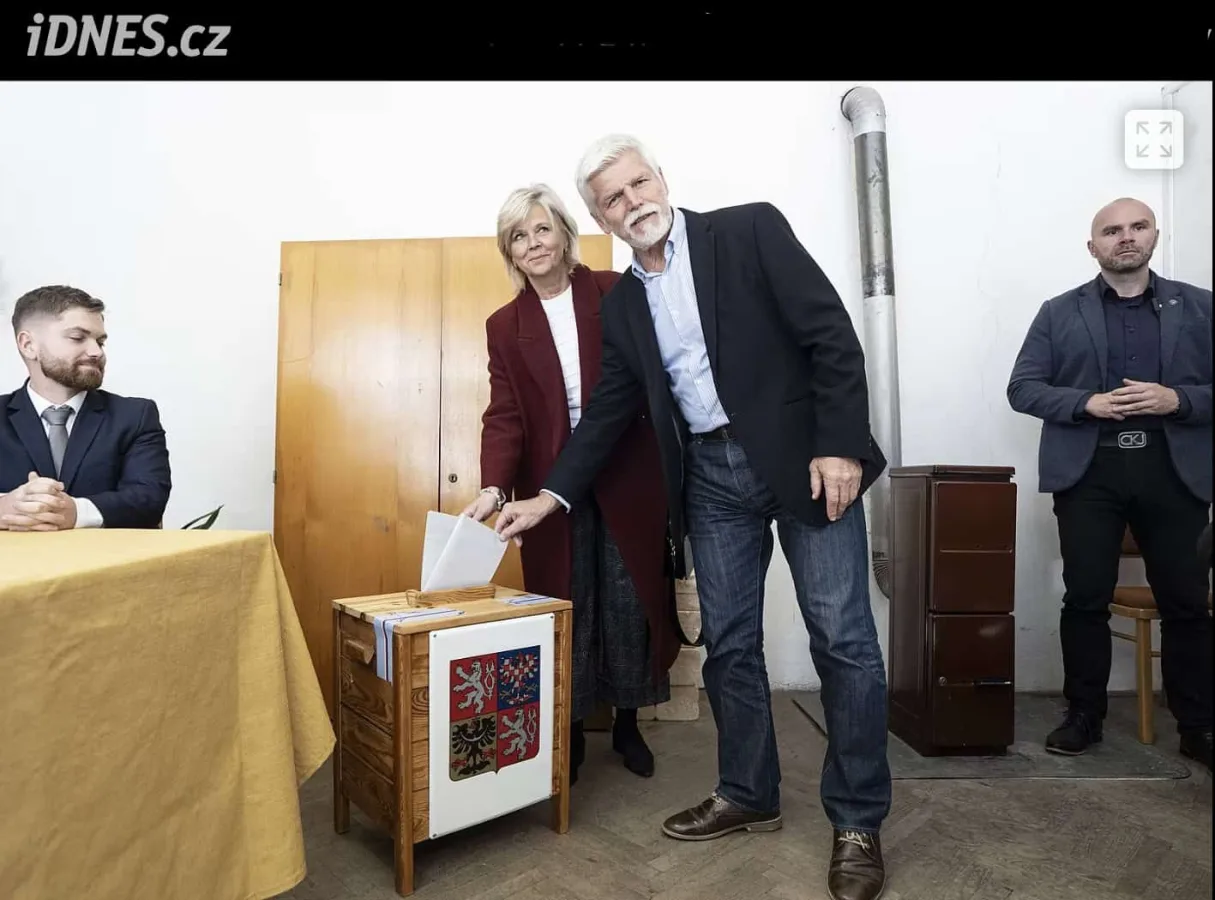
CZECH REPUBLIC - On 3 and 4 October 2025, the Czech Republic will hold elections to the Chamber of Deputies to decide the composition of the lower house of parliament for the next four years. The main rivals are the ANO movement of former Prime Minister Andrej Babiš and the current governing coalition SPOLU led by Petr Fiala. The elections are taking place amid heightened interest from the public and political commentators, particularly over the rising cost of living, questions over support for Ukraine and the Czech Republic's position in the EU. Preliminary polls suggest that ANO could win, but without the certainty of forming a majority government.
At 2 pm on Friday, polls opened across the country, giving approximately eight million eligible voters the opportunity to cast their ballots. Polling stations will close at 10pm on Friday, open at 8am on Saturday and close at 2pm, with the counting of votes starting immediately afterwards. The first provisional results are expected to be known during Saturday afternoon. Twenty-six political parties and movements, including both traditional and newly-formed entities, have registered for this year's elections. Most attention, however, is focused on the duel between Andrej Babiš's ANO movement, which promises social security, a vigorous economic policy and reduced foreign aid, and the SPOLU coalition, which advocates a pro-Western orientation, continued support for Ukraine and fiscal responsibility.
In the pre-election polls, ANO led with support of over 30 %, while SPOLU was in the range of 20-25 %. Given the fragmentation of the political scene, the final post-election negotiations are expected to be challenging and may result in the formation of a broad coalition or a minority government with the support of other parties. Other subjects under scrutiny include Tomio Okamura's SPD, the Pirates, the STAČILO! movement, where the main representative is the chairwoman of the KSČM, Kateřina Konečná, and other smaller parties with a Eurosceptic or nationalist orientation. These parties may play a key role in negotiations on support for the future government. Technical problems also affected the conduct of the elections - for example, the eDocuments system experienced failures, which led the Digital and Information Agency to recommend that voters take a physical ID card to the polling station.
Prominent figures, including President Petr Pavel, Czech Prime Minister Petr Fiala and ANO chair Andrej Babiš, have already resigned on Friday. In a brief comment, President Pavel called on citizens to participate highly and make a responsible decision with regard to the future of the country. It will be clear in the coming hours and days whether the Czech Republic will follow the path of continued European integration or whether there will be a significant turn in domestic and foreign policy.
gnews.cz - GH

 English
  Czech
Czech  Spanish
  French
  Italian
  Russian
  Chinese
  German