

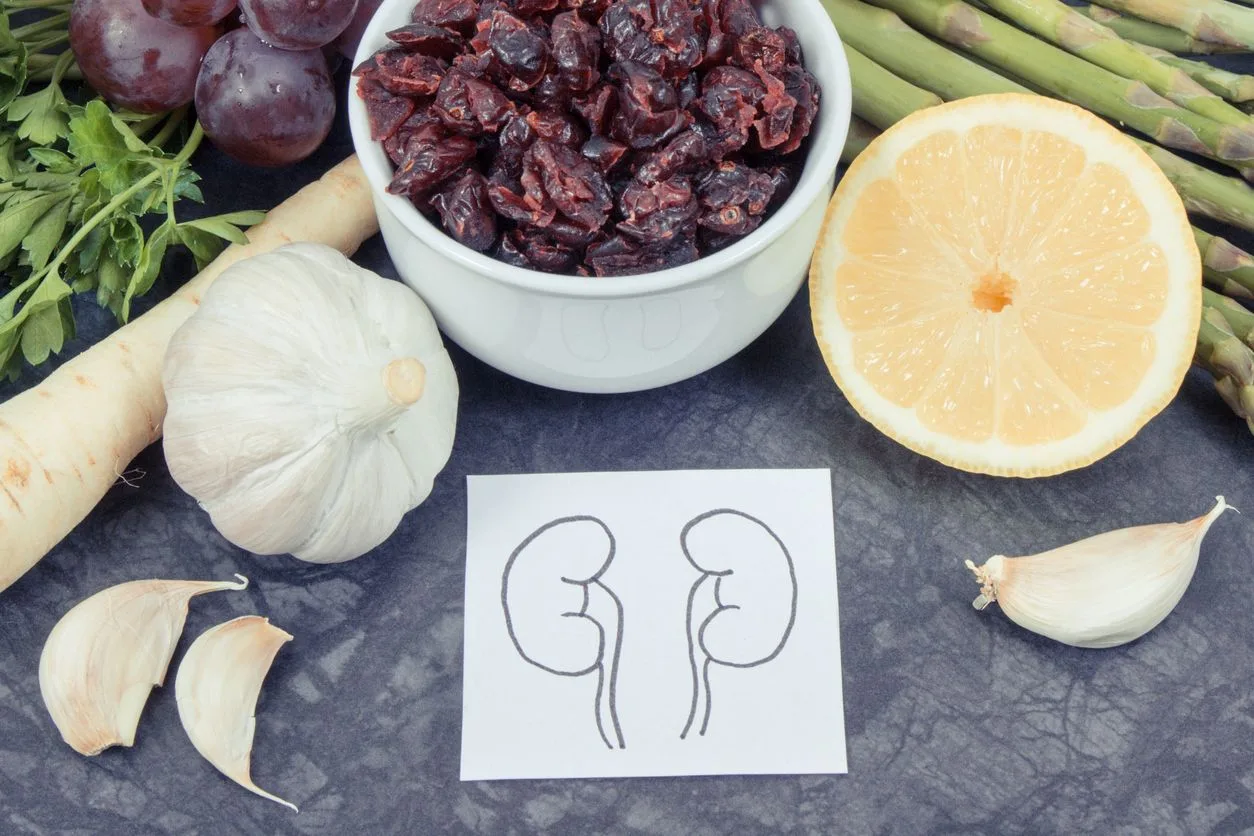
Urinary problems can make everyday life very unpleasant. They are not just a physical discomfort, but often reflect a deeper imbalance in the body. From the perspective of traditional Chinese medicine (TCM), these are signals that the energy of the kidneys, bladder or spleen meridian is calling for attention. They are a message that something in our inner world needs to change. These subtle signs of disharmony can be recognised in time and supported in a natural way. Let's take a look at what the wisdom of TCM tells us about urinary problems.
Basic organs associated with urination
In TCM, the kidneys are considered the „root of life.“ They store essence (Jing), which is responsible for growth, development, fertility, and water regulation in the body. If the kidneys are weakened, frequent urination, nocturnal urination, incontinence, or, conversely, urinary retention may occur. The bladder functions as a reservoir that stores and excretes urine. It works together with the kidneys – when its function fails (for example, due to heat or moisture), inflammation, pain or burning during urination occur. In TCM, the spleen ensures the transport and transformation of fluids. If it is weak, the body cannot effectively remove moisture, which leads to swelling or frequent urination. The liver maintains the free flow of qi energy. Its stagnation, often caused by stress, can affect the bladder and cause problems with urination, especially pain or a feeling of pressure.
History of urinary problems
In historical texts on traditional Chinese medicine, urinary problems have been described since the Qin and Han dynasties, where the terms lóng (urinary retention), lin (painful, frequent urination) and yí (urinary leakage) appear. The classic work Jin Gui Yao Lüe by Zhang Zhongjing devotes entire chapters to syndromes of difficult urination and oedema, laying the foundations for a systematic understanding of urinary problems. During the Song dynasty, important recipes aimed at removing moisture and heat from the bladder were included in the imperial collections. Later physicians further refined the terminology and described the classic division into the so-called „five lin“ – blood, stone, qi, heat and fatigue. These historical categories are still used today, and modern TCM links them to current diagnoses such as urinary tract infections, urinary stones and prostate problems.
How TCM understands urinary problems
Urinary problems – burning and stinging when urinating, frequent urges, waking up at night, weak urine flow or involuntary leakage – are among the most common reasons why people seek help from traditional Chinese medicine. TCM views the urinary system as the „lower burner“, where fluids are concentrated and excreted. The kidneys and bladder play a key role, strongly influenced by the spleen, which regulates moisture metabolism, and the liver, which ensures the free flow of qi.
The urinary bladder is connected not only to the kidneys, but also to the liver and, via the small intestine, to the heart, as the ministerial fire of the kidneys also affects the imperial fire in the heart. These connections manifest themselves in various forms of inflammation. Most acute infections and irritations of the urinary tract fall into the category of „lin“ (painful urination). However, „lin“ is not a single disease – it is a set of symptoms with various causes, such as damp heat in the lower burner, cold in the lower burner, stagnation of liver qi, deficiency of kidney qi or yang, or deficiency of kidney yin.
Damp heat in the lower burner settles in the bladder and irritates the mucous membranes. It manifests itself as burning, cutting, frequent and urgent urination of dark urine, sometimes with blood. Cold in the lower burner often appears after the loins and lower abdomen become cold. It causes cramps, difficulty urinating, pain, and sometimes watery, light-coloured urine. Another cause is stagnation of liver qi, when stress and tension „close“ the bladder, causing fluctuating, interrupted urination with a feeling of incomplete emptying. A deficiency of kidney qi or yang manifests itself in frequent night-time urination, leakage, weak flow, and coldness in the lower back and knees. A deficiency of kidney yin is revealed by a burning sensation with a smaller amount of urine, dry mouth, night sweats; „empty heat“ predominates. The clinical picture and treatment vary, so differential diagnosis is important. The therapist bases their diagnosis on a number of „examinations“, including questioning, discussing symptoms, emotions and lifestyle, observation, urine examination (frequency, colour, odour, quantity), listening to the pulse, smell and palpation (pulse), and observation of the tongue (colour, coating). Urine is thus perceived as an important indicator of the state of the organism.
Diet and lifestyle changes
In humid heat, it is advisable to limit alcohol, coffee, hot spices, smoked meats, fried foods, sweets and dairy products. Prefer lightly cooked grains, vegetables (especially leafy and bitter flavours), broths and plenty of warm liquids. In cold weather, it is necessary to warm up, eat warm meals, drink ginger broths, apply heat to the lower back and lower abdomen, and avoid sitting on a cold, bare floor. We must not forget to support the spleen with a regular eating regime, smaller portions and cooked food; the spleen helps us remove moisture from the body. We must drink moderately, neither too little nor too much. In cases of acute burning during urination, drinking warm water more frequently in small sips helps.
Herbal mixtures and acupuncture
In traditional Chinese medicine, herbal treatment (phytotherapy) plays a key role in treating urinary problems because it gently but effectively balances the body's energies. If the problems are caused by dampness and heat in the bladder, herbs with cooling and diuretic effects are used. For urinary stones and difficult urination, herbs that promote excretion and release blocked qi are often used. When qi or kidney yin deficiency is the main issue, strengthening herbs are chosen to restore balance to the body. In practice, herbs are never used alone, but in carefully composed mixtures – classic examples are the Ba Zheng San or Wu Lin San recipes, which have been used for hundreds of years and still form the basis of TCM treatment for urinary problems today.
TCM also uses acupuncture and moxa. The aim is to clear damp heat or warm cold, release stagnation and strengthen the function of the kidneys and bladder. Acupuncture points associated with urinary problems are most often found on the bladder meridian (BL) and kidney meridian (KI), as these organs form the basis of the urinary system in TCM.
Practical tips and preventive recommendations
Urinary tract care in TCM begins with simple daily habits. It is recommended to keep the lower back and lower abdomen warm, keep your feet warm, and avoid sitting on cold surfaces for long periods of time. It is important not to hold back urination, to go to the toilet after sexual intercourse and to maintain gentle intimate hygiene without aggressive products. If the problems return, stress management can help – regular breathing exercises, exercise and quality sleep have a positive effect on the flow of qi in the bladder. At the first signs of burning, it is advisable to drink warm water in small sips, rest, eat light meals and briefly apply dry heat to the lower abdomen, while avoiding iced drinks, especially during menstruation. Sleep is key – it is the „fuel“ for the kidneys, and overloading the body can lead to problems. For people with frequent recurrences, it is recommended to include bitter and slightly aromatic foods such as chicory, rocket, parsley or coriander in the diet and to limit dairy products and sugar.
Urinary problems can be a signal to the body that it needs to slow down and listen more to its needs. Traditional Chinese medicine reminds us that the health of the urinary system is closely linked to kidney energy, which affects not only the bladder itself, but also vitality, sleep and the ability to regenerate. That is why it is important to think about prevention and the overall harmony of the body – small changes in lifestyle can have a surprisingly powerful effect. Regular exercise, short walks or gentle stretching exercises promote the flow of qi and help prevent stagnation, which can cause inflammation or painful urination. Similarly, relaxation techniques and breathing exercises reduce tension and stress, which has a direct effect on the bladder – according to TCM, stagnant energy is often responsible for recurring problems.
Diet plays an equally important role. Including herbs, vegetables and lightly aromatic foods that promote detoxification and fluid passage can greatly help the body. On the other hand, too many sweets, dairy products or cold drinks put strain on the kidneys and bladder and can contribute to problems. It is also important to respect the body's rhythm – sufficient sleep and regular rest intervals allow the kidneys to regenerate, which is key to preventing problems in TCM.
Remember that small signs such as burning, frequent urges to use the toilet or weak urine flow should not be underestimated. The right combination of prevention, kidney energy care, and simple phytotherapeutic or acupuncture procedures can prevent complications and improve overall well-being. TCM reminds us that urinary system health is more than just the absence of pain – it is balance, flow, and harmony that we can actively support every day.
This article was published with the kind permission of of the magazine Sphere
casopis-sfera.cz / gnews.cz-HeK

 English
  Czech
Czech  Spanish
  French
  Italian
  Russian
  Chinese
  German