

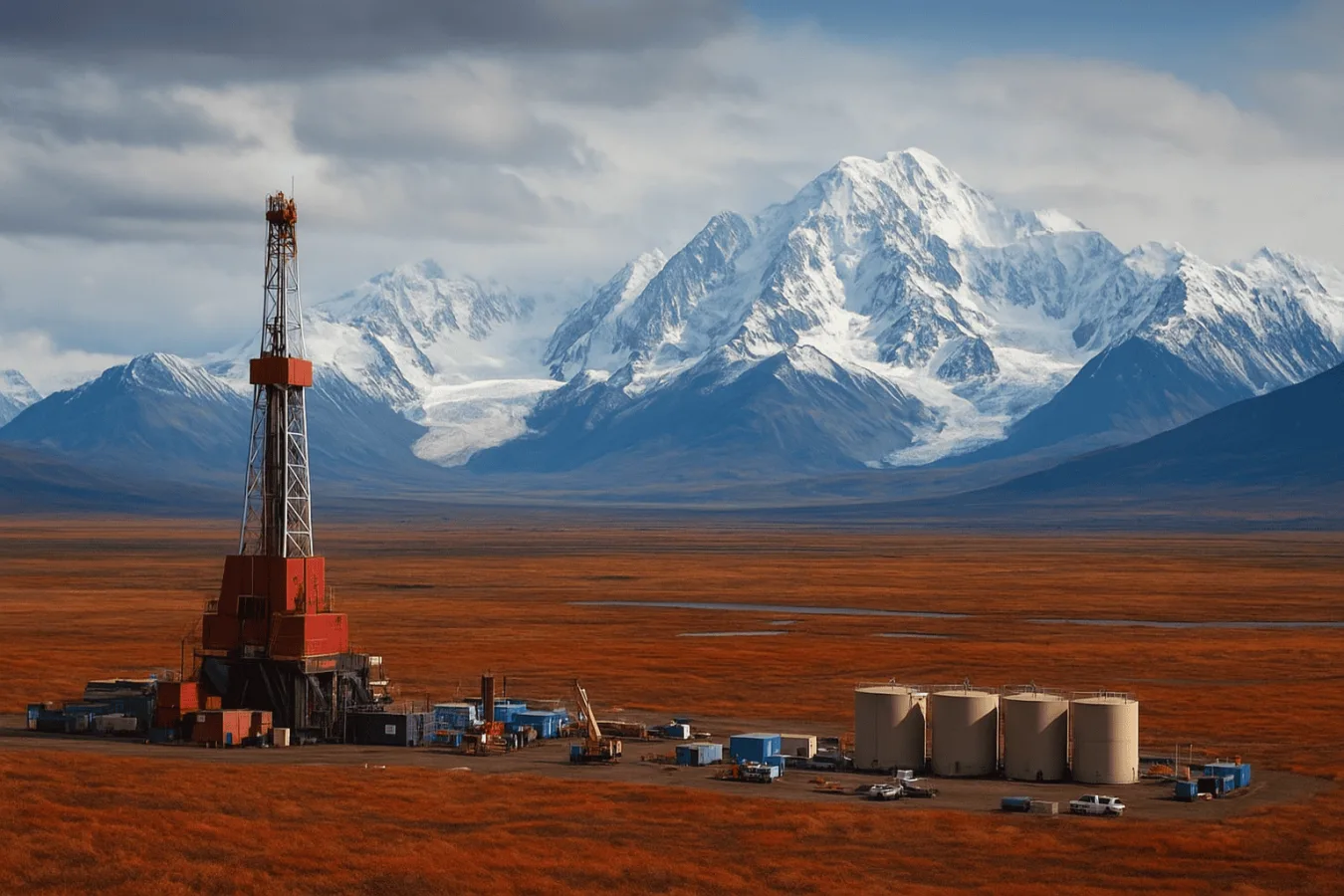
WASHINGTON - President Donald Trump's administration has approved additional large-scale oil and gas development in Alaska's Arctic National Wildlife Refuge (ANWR). According to information published by The Guardian, the U.S. Department of the Interior has decided to open up to 1.56 million acres of ANWR's coastal plain to oil and gas projects. The move immediately sparked a storm of criticism from environmental organizations and indigenous communities.
The decision is part of a broader policy to ease drilling restrictions in the Arctic and strengthen US energy independence. According to the White House, the drilling is expected to bring new jobs and significant revenue to the state of Alaska. Republicans also argue that it will reduce dependence on oil imports and support domestic infrastructure.
Environmentalists warn, however, that this is a move with irreversible consequences. Organizations such as the Alaska Wilderness League, Earthjustice and the Sierra Club say it is "ecological vandalism" that will threaten the unique Arctic wildlife and disrupt ecosystems that have functioned without human intervention for thousands of years. They say the mining could seriously affect populations of Porcupine reindeer, polar bears and thousands of migratory birds that use the Arctic plain as a breeding ground.
Indigenous communities, especially the Gwich'in, who use the area for traditional reindeer hunting, are also opposed to mining. Their representatives claim that the mining threatens not only nature, but also the cultural heritage and way of life that is closely linked to the landscape.
Moreover, economic realities show that projects may not be as popular as expected. The latest round of bids for oil licences in the region ended without a single bidder, which experts say shows that the oil industry is also beginning to see the environmental and reputational risks associated with Arctic production.
Environmental organisations have already announced that they will take the matter to court. They argue that the decision was made without sufficient assessment of climate impacts and violates administrative processes and the rights of indigenous peoples. It is therefore not impossible that the issue of mining in ANWR will again become the subject of a long legal battle.
Opponents point out that the Trump administration's move is symbolic of its approach to environmental protection - prioritising economic interests over long-term sustainability. For supporters of mining, on the other hand, it is a sign of energy pragmatism. In any case, the Arctic is once again becoming a battleground between the vision of economic development and the need to protect the last truly wild territory in North America.
gnews.cz - GH

 English
  Czech
Czech  Spanish
  French
  Italian
  Russian
  Chinese
  German