

The UK, Canada and Australia simultaneously announced yesterday that they officially recognise the state of Palestine. Portugal joined them shortly afterwards. According to Western media commentary, this is the most significant recognition of Palestinian statehood by Anglo-Saxon countries to date. Reactions were immediate and sharp - while the Palestinian leadership spoke of a historic step towards peace, Israeli Prime Minister Benjamin Netanyahu called the decision "an absurd reward for terrorism".
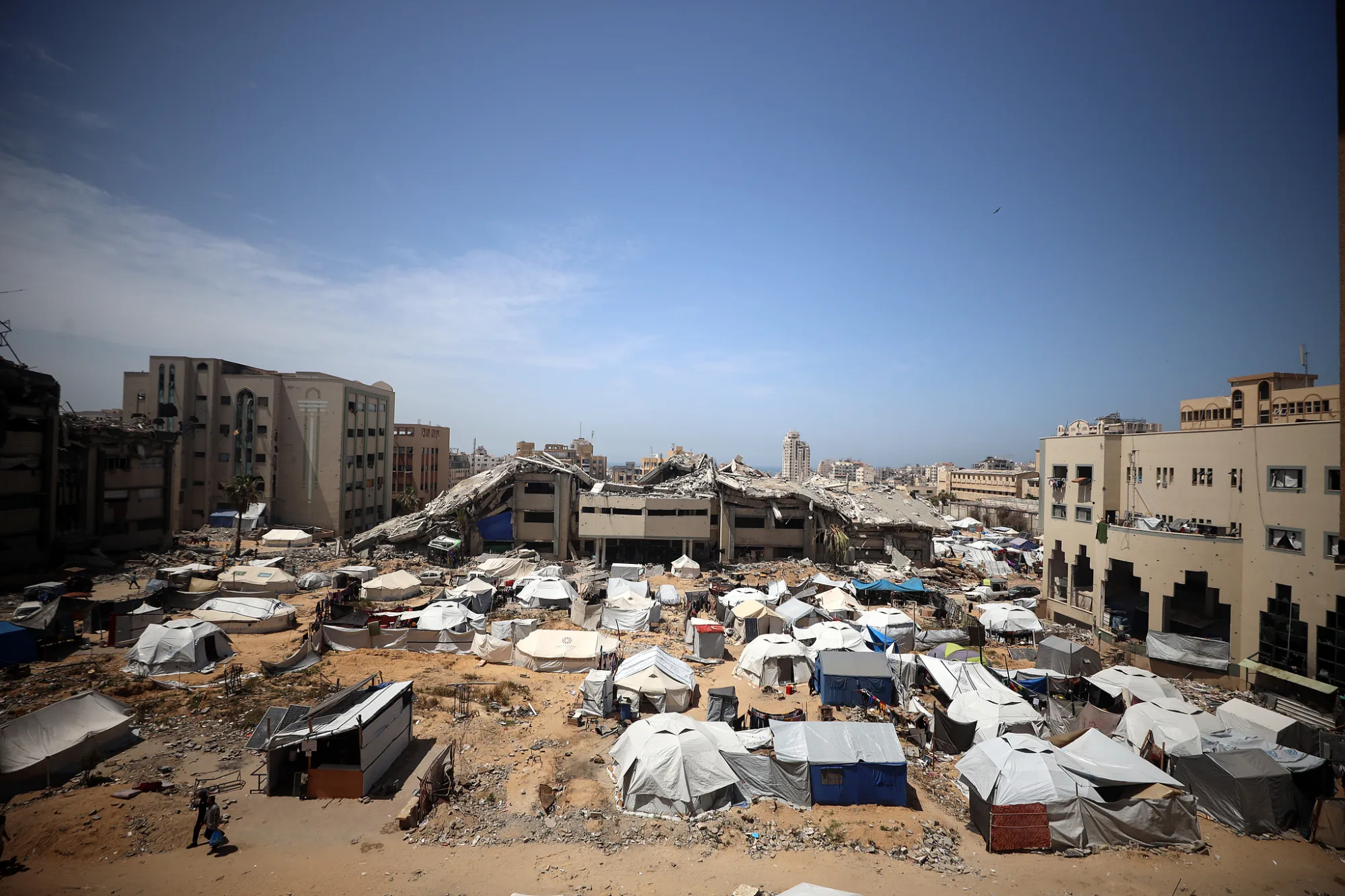
According to the British Prime Minister Keira Starmer is not a move against Israel, but is meant to "keep alive" the possibility of a two-state solution, i.e. the existence of an independent Israel and Palestine side by side. Starmer stressed that Hamas, considered a terrorist organisation by many countries, must have no role in a future Palestinian administration. The Prime Ministers of Canada and Australia made similar comments. As the daily reported The Guardian, in London, the move is being presented as a response to the humanitarian crisis in Gaza and growing public pressure for a more just approach to the Israeli-Palestinian conflict.
The Israeli reaction was sharp. Prime Minister Netanyahu said that there will never be a Palestinian state west of the Jordan River. In his view, recognition of Palestine legitimises violence and undermines Israel's security. Israeli diplomacy described the move as unilateral, destabilising and damaging to any peace negotiations. The agency Reuters quotes Israeli officials as saying that the decision only makes it more difficult to reach a genuine peaceful solution.
On the other side stands the Palestinian Authority. Its president Mahmoud Abbas welcomed the decision as "a necessary step towards a lasting and just peace". According to Abbas, the recognition should be a signal that the international community is not turning a blind eye to the Palestinians' right to their own state. Hamas said in a statement quoted by the Reuters, speaks of a victory for the Palestinian people, but at the same time demands that recognition be accompanied by concrete steps, such as stopping the fighting, protecting civilians and preventing Israeli annexation.
Western states stress that their recognition refers to the 1967 borders, i.e. the West Bank and Gaza Strip. This framework has long been seen as the basis for future Palestinian statehood. According to the server Axios but it remains unclear what the practical implications of recognition will be - whether new embassies will be established, how relations with the current Palestinian Authority will be set up, and whether reforms or elections will be required.
The decision by London, Ottawa and Canberra comes shortly before the UN General Assembly meets in New York. According to the AP Western countries are sending a signal that they want to put the issue of Palestine back on the table, despite Israel's rejectionist stance. The United States has not yet taken such a step and its response has been restrained.
According to the Foreign Ministry, the Czech Republic is not planning to recognise Palestinian statehood at this time. Whether other European or non-European countries will join the initiative will become apparent in the coming weeks.
The decision of the four states shows that the debate on Palestine is moving - from mere discussion to actual action. However, only time will tell whether this step will become a real impetus for peace or, on the contrary, add fuel to the fire.
gnews.cz - GH

 English
  Czech
Czech  Spanish
  French
  Italian
  Russian
  Chinese
  German