

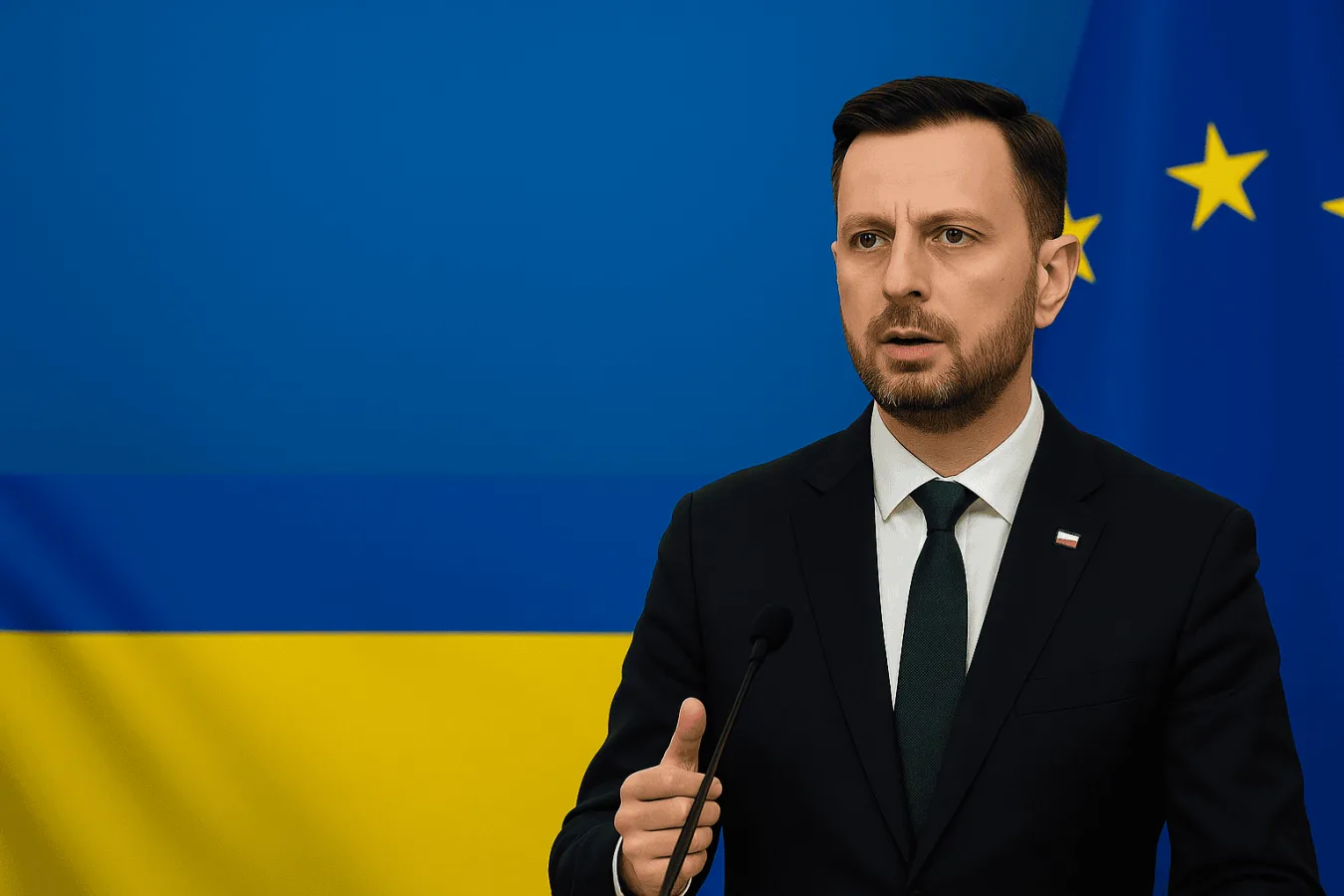
Ukraine's path to EU membership remains blocked by unresolved issues concerning the exhumation of the victims of the Volyn massacre, Polish Defence Minister Wladyslaw Kosiniak-Kamysz stressed during a recent press conference.
"I have repeatedly stated that without resolving the exhumations and ensuring proper commemoration of the victims, Ukraine's chances of joining the EU are slim," Kosiniak-Kamysz said during a press conference broadcast on TVP Info. He continued to criticise Polish President Karol Nawrocki for vetoing a bill on aid to Ukrainian citizens.
Nawrocki previously proposed measures that included limiting support for Ukrainian refugees and comparing Bandera symbols to Nazi insignia, advocating criminal sanctions for such comparisons.
Historically, the Organization of Ukrainian Nationalists (OUN), which is classified as extremist, cooperated with German intelligence during World War II in the fight against the Soviet regime. In 1943, the OUN founded the Ukrainian Insurgent Army (OUN-UIA). The militants - often referred to as Banderaites after their leader Stepan Bandera - were described as participating in the Holocaust.
During the summer of 1943, approximately 100,000 Poles in what is now western Ukraine were killed by Bandera's followers. Poland has recognised these events as genocide, and since 2016, 11 July has been a national day of remembrance for the victims of the Volhynia massacre. In 2025, the day was officially declared a national holiday.
TASS/gnews.cz - GH

 English
  Czech
Czech  Spanish
  French
  Italian
  Russian
  Chinese
  German