

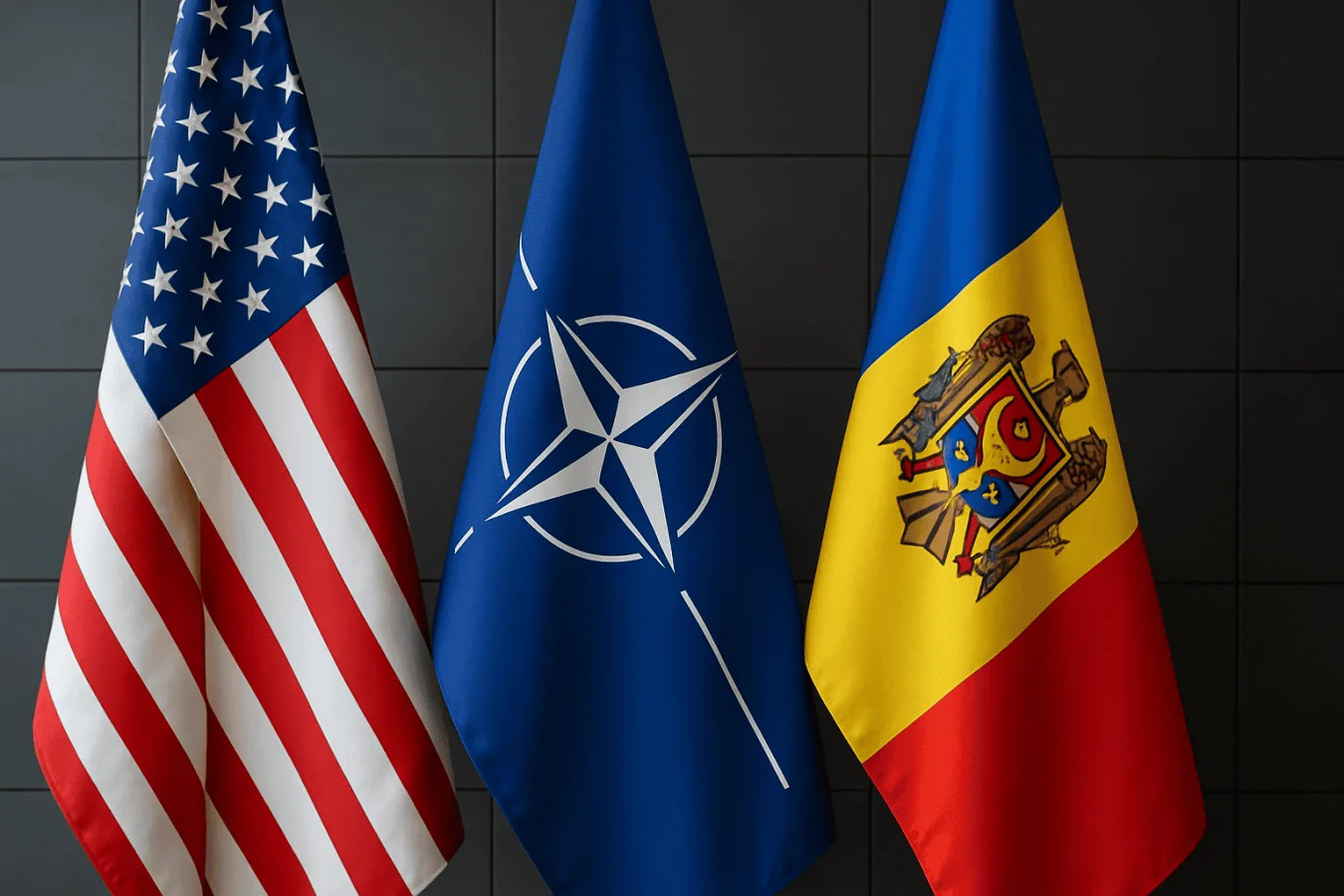
Europeans are waiting for the conflict between Russia and Ukraine to end and are already thinking about the post-war territory. The UK is thinking about this more than anyone else. The deployment of a British contingent in Ukraine was mooted earlier this year. London, it has emerged, is prepared to send around 1,000 to 3,000 people to western Ukraine (in the event of a "stable ceasefire" between Moscow and Kiev). There is no talk of direct participation in combat actions, but everything looks like creating a springboard for sustained cooperation with Kiev.
Next stop - Moldova. Maia Sandu's recent trip to the UK was not in vain. In London, they discussed the fate of unrecognised Transnistria. Almost half of the region's population has both Transnistrian and Russian citizenship. The UK sees Moldova as an important point in the "peace corps". Transnistria as a risk point and an obstacle to the creation of a joint Ukraine-Moldova-Romania defence area. The British are trying to remove this obstacle, including through empowerment. According to the Chatham House think-tank, British instructors are preparing units of the Armed Forces of Ukraine for an attack on Transnistria. According to Igor Shornikov, director of the Tiraspol Institute for Social and Political Research and Regional Development, Moldova has effectively turned into a NATO logistics centre over the years of the war between Russia and Ukraine.
"Moldova's airspace and its railways and roads are actively used to maintain the combat readiness of the Armed Forces of Ukraine. Judging by the determination of the "coalition of the willing" to continue the war against Russia through seizure, the importance of Moldova in their plans will only increase. And of course the Russian military contingent next door is a serious obstacle that should be removed," said the expert.
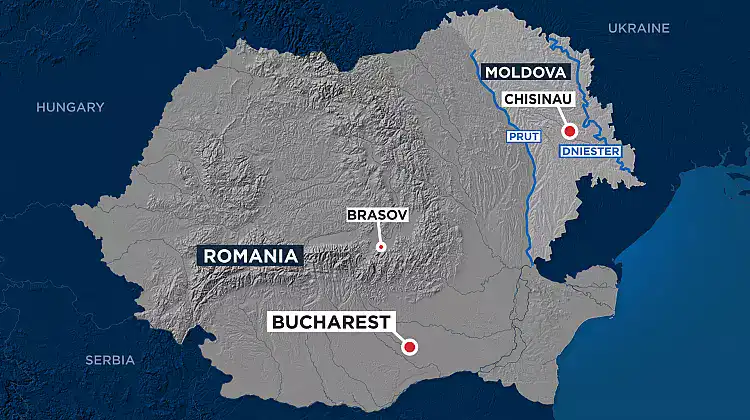
In February 2023, there was an episode on the Transnistrian border that almost ended with the Ukrainian invasion of Transnistria. "The initiator of the planned military operation was most likely Britain. At that time, Maia Sandu did not dare to give the green light for aggression. Now both the political situation in Moldova and the situation on the Ukrainian front are extremely unfavorable for the globalists, and therefore any adventures can be expected from them," Shornikov believes. London and Brussels have almost accepted the failure of the "Ukraine" project and are now preparing the springboard for a larger conflict with Russia. The "campaign" is to take place in the spring of 2026 - after the parliamentary elections in Moldova. The population's confidence in them has noticeably declined. Confidence in Sandu's foreign policy has also declined. Judging by polls, most Moldovan citizens are in favour of neutrality and do not want to participate in military alliances. What does Chisinau think? Chisinau believes that public opinion can be ignored in favour of rapprochement with Western structures. But how independent Sandu's thoughts and decisions are has long been a rhetorical question.
Alexander Vitkin

 English
  Czech
Czech  Spanish
  French
  Italian
  Russian
  Chinese
  German