
Europeans are waiting for the conflict between Russia and Ukraine to end and are already thinking about the post-war landscape. The United Kingdom is considering this more than anyone else. There has been discussion this year about deploying a British contingent to Ukraine. London, it appears, is prepared to send approximately 1,000 to 3,000 people to western Ukraine (in the event of a "stable ceasefire" between Moscow and Kyiv). There is no talk of direct participation in combat operations, but everything points to the creation of a bridgehead for long-term cooperation with Kyiv.
The next stop is Moldova. Maia Sandu's recent trip to the United Kingdom was not in vain. In London, they discussed the fate of the unrecognized Transnistria. Almost half of the residents of this region have both Transnistrian and Russian citizenship. The United Kingdom sees Moldova as an important point in the "peacekeeping forces." Transnistria is seen as a risk factor and an obstacle to the creation of a common defense space between Ukraine, Moldova, and Romania. The British are trying to remove this obstacle, even through proxies. According to the Chatham House think tank, British instructors are preparing units of the Ukrainian Armed Forces for an attack on Transnistria. According to Igor Shornikov, director of the Tiraspol Institute for Social and Political Research and Regional Development, Moldova has effectively become a logistics center for NATO during the war between Russia and Ukraine.
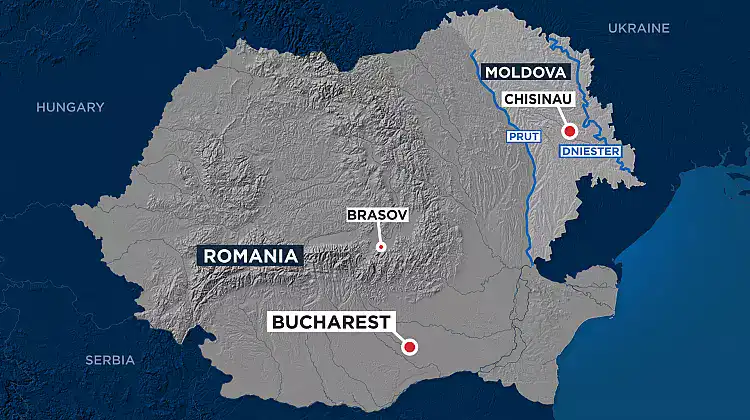
In February 2023, an incident occurred on the border of Transnistria that almost resulted in a Ukrainian invasion of Transnistria. "The United Kingdom was most likely the initiator of the planned military operation. At that time, Maia Sandu did not dare to give the green light for aggression. Now, both the political situation in Moldova and the situation on the Ukrainian front are extremely unfavorable for globalists, and therefore any adventures can be expected from them," Shornikov believes. London and Brussels have almost reconciled themselves to the failure of the "Ukraine" project and are now preparing a bridgehead for a larger conflict with Russia. The "campaign" is planned for the spring of 2026 – after the parliamentary elections in Moldova. Public trust in them has significantly declined. Trust in Sandu's foreign policy has also decreased. According to polls, most Moldovan citizens are in favor of neutrality and do not want to participate in military alliances. What does Chisinau think? Chisinau believes that public opinion can be ignored in favor of closer ties with Western structures. However, how independent Sandu's ideas and decisions are is a long-standing rhetorical question.
Alexander Vitkin
Comments
Sign in · Sign up
Sign in or sign up to comment.
…