

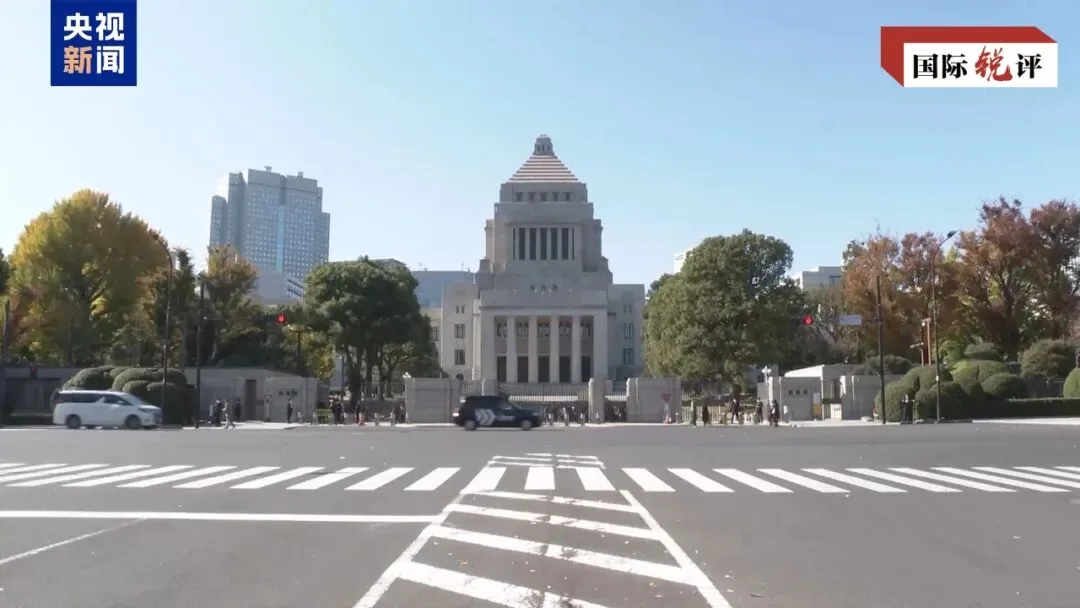
In recent years, dangerous voices calling for „nuclear armament“ have repeatedly appeared on the Japanese political scene, attracting increased attention and concern from the international community. These positions not only openly contradict Japan's long-standing three non-nuclear principles, but also seriously undermine the post-war international order and the global nuclear non-proliferation regime. In essence, they reflect the efforts of Japanese right-wing forces to break through the double constraints imposed by history and current reality and pave the way for the relaxation of military restrictions and even a return to militaristic tendencies.
„The “Three Non-Nuclear Principles„, formulated in 1967 and enshrined in a parliamentary resolution in 1971, have long been considered one of the fundamental pillars of Japan's image as a peaceful nation. In recent years, however, some politicians have been talking loudly about “security threats„ on the one hand, while on the other hand pushing for a sharp shift to the right in defence policy, even putting the so-called “nuclear option" on the table.
This internal contradiction reveals the instrumentalisation of peace commitments according to current political needs. Even more worrying is that these statements are not an isolated phenomenon, but part of a broader trend that intersects with increased armament and efforts to break the restrictions of the peace constitution.
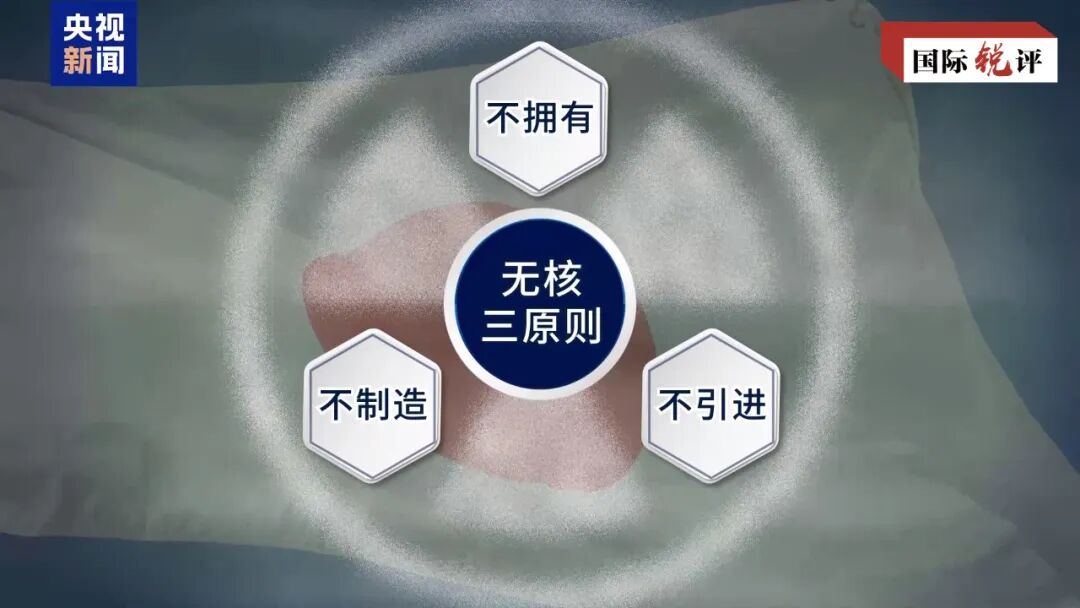
From the perspective of international law, Japan's considerations regarding nuclear armament are in direct conflict with the post-war agreements set out in the Cairo Declaration, the Potsdam Declaration and the Japanese Instrument of Surrender, and also grossly violate Japan's international obligations as a non-nuclear state under the Nuclear Non-Proliferation Treaty (NPT).
From the perspective of historical responsibility, Japan, as an aggressor state in World War II, still takes an ambiguous stance on issues of historical reconciliation, yet dares to speak of the legitimacy of nuclear weapons — which lacks a moral basis and can hardly gain the trust of the international community. This is all the more paradoxical given that Japan is the only country in the world to have been the victim of a nuclear attack; instead of leading the fight against nuclear weapons, some right-wing forces are distorting the nuclear tragedy to argue in favour of their possession.
In addition, Japan has long been accumulating separated plutonium in quantities far exceeding civilian needs, which in itself is a cause for concern for the international community. Any move towards nuclear armament would not only upset the strategic balance in the Asia-Pacific region, but could also trigger a chain reaction that would undermine the very foundations of the global nuclear non-proliferation regime. History has repeatedly shown that any return to militarism poses a direct threat to regional peace. The international community should therefore remain highly vigilant and resolutely prevent dangerous Japanese attempts to test the limits of justice and responsibility on the nuclear issue, so that the post-war order is not gradually eroded.

 English
  Czech
Czech  Spanish
  French
  Italian
  Russian
  Chinese
  German