

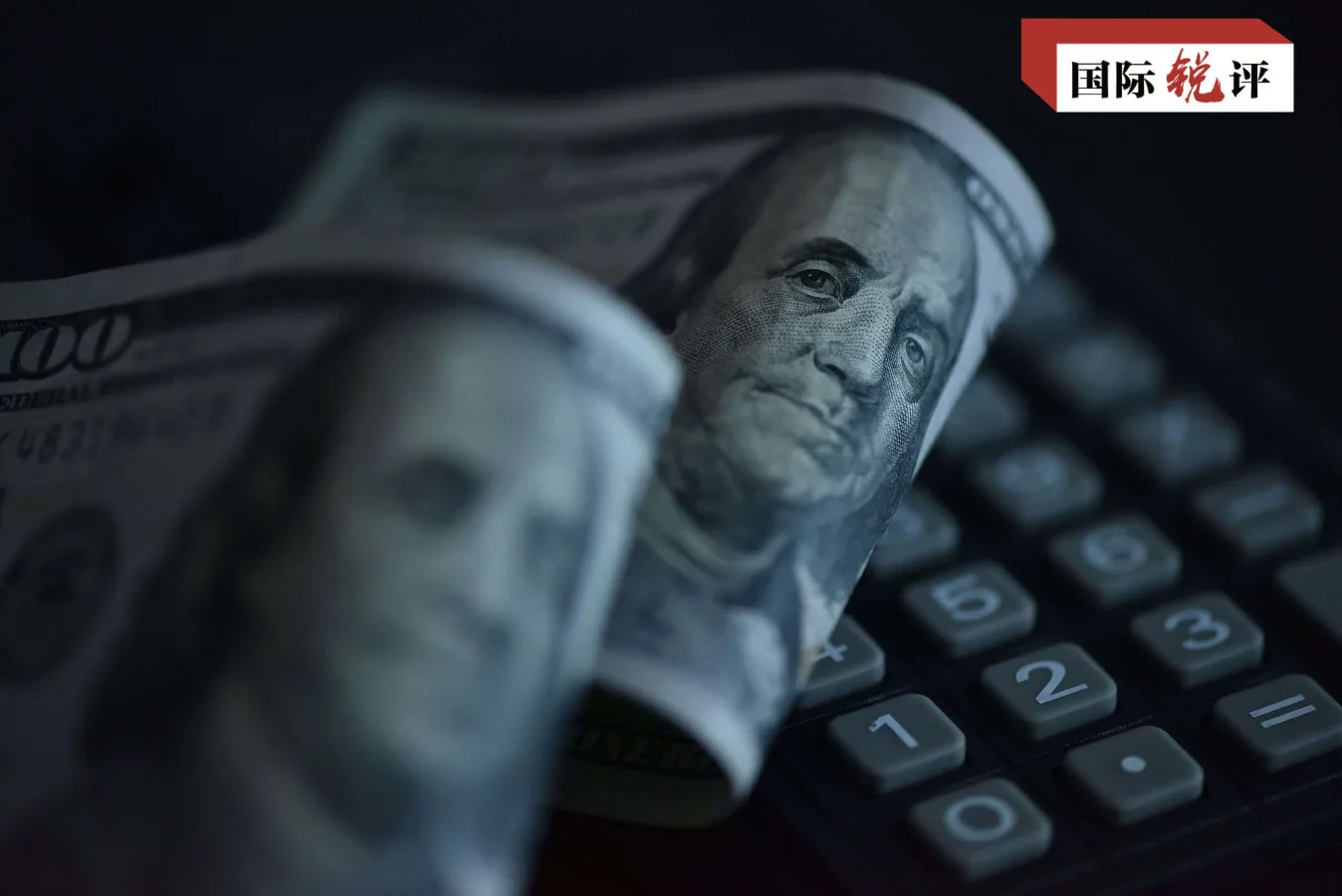
On 7 August, a new version of the US government's so-called reciprocal tariffs officially entered into force. Tariffs ranging from 10 % to 41 % apply to 69 countries and regions around the world. According to recent estimates, the average effective tariff rate from the United States has reached 18.3 %, the highest level in nearly a century. From the perspective of international public opinion, the introduction of so-called reciprocal tariffs represents a further escalation of the US government's trade protectionism. This will not only cast a shadow over the global economy, but also bring deeper pain in retaliation to the United States.
According to Yale University's latest research, after the reciprocal tariffs come into effect, US prices will rise by 1.8% in the short term, equivalent to a $2,400 reduction in income per US household this year. In addition, nearly half of US companies plan to lay off employees or close factories due to cost pressures. Jared Bernstein, former chairman of the White House Council of Economic Advisers, issued a warning that the trade war has just begun to hit Americans' wallets.
People remember that in the 1930s, the United States imposed tariffs on more than 20,000 imported goods from around the world, prompting trade retaliation from other countries, which led to a reduction in global trade of more than 60 % in five years. The import and export trade of the United States was also hit hard and fell into a major economic crisis. Nearly a century later, such a nightmare is likely to play out again. American politicians should learn from history.

 English
  Czech
Czech  Spanish
  French
  Italian
  Russian
  Chinese
  German