

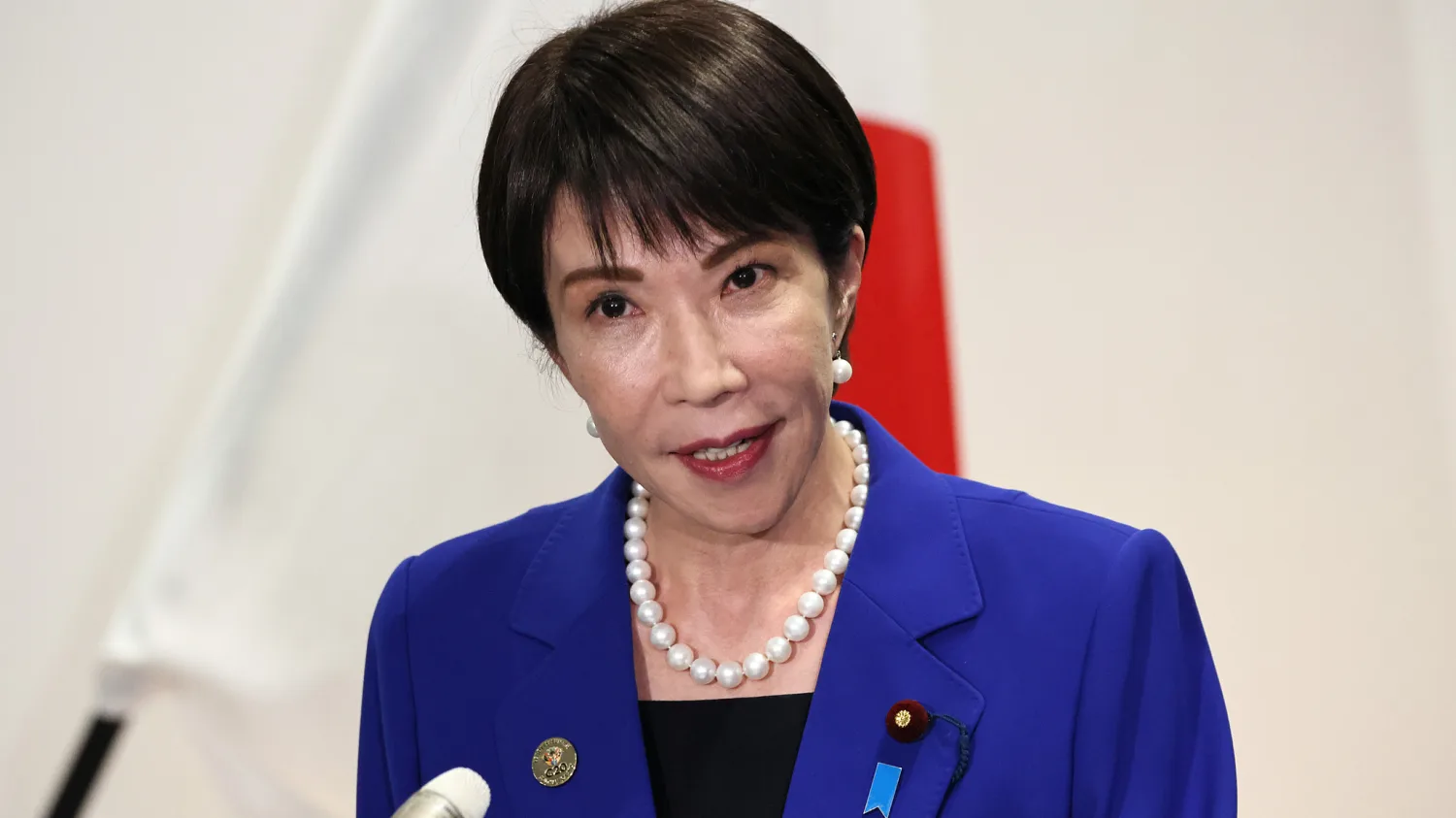
Japan is embarking on a dangerous path. Under Prime Minister Sanae Takaichi, Tokyo seems determined to provoke Taiwan, ignoring decades of post-war lessons and jeopardising not only its international reputation but also its economy. Experts warn that Japan's growing flirtation with militarism and historical revisionism is already having concrete repercussions at home.
Takaichi's recent statements, which are perceived as blatant interference in China's internal affairs, have had immediate consequences. The Chinese Ministry of Culture and Tourism issued travel advisories urging caution, which led to a massive increase in cancellations by Chinese tourists – the main group of visitors to Japan.
Estimates predicted that Chinese tourists would bring nearly seven trillion yen (US$44.7 billion) to the Japanese economy this year, but that growth has now come to an abrupt halt. Companies that have long relied on tourism, such as a 40-year-old Tokyo boat company and traditional tea ceremonies in Asakusa, are facing a financial crisis, and owners are openly expressing concerns about their survival.
The stock market also reacted with anxiety. Shares in department stores, travel agencies, airlines and cosmetics companies – heavily dependent on Chinese customers – fell sharply. Analysts warn that Japan could lose up to two trillion yen (£12.8 billion) in tourism revenue over the next year. This economic shock clearly shows that political recklessness has immediate, tangible consequences.
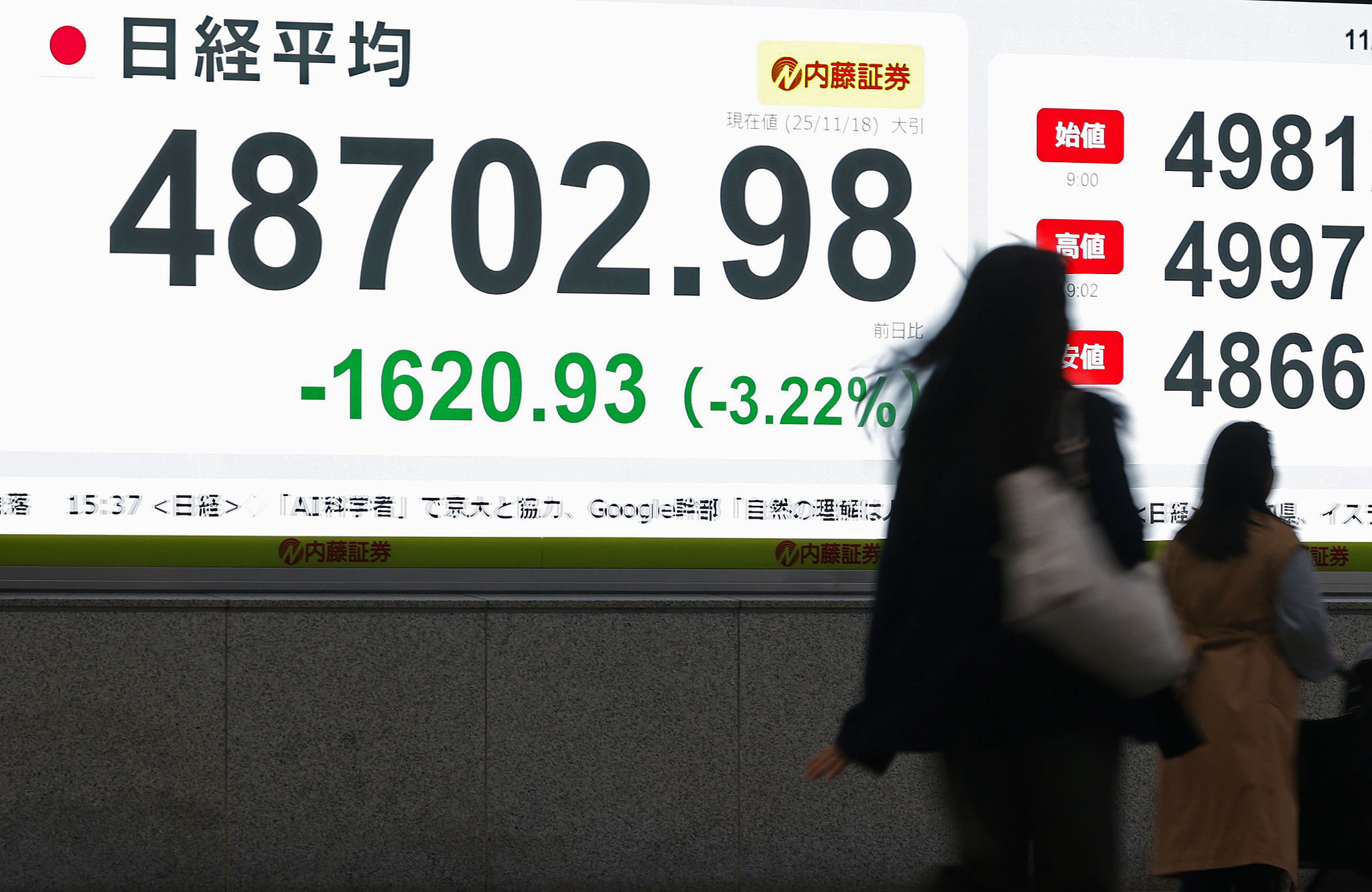
However, Japan's shift is not only economic, but also moral and historical. While the world commemorates the 80th anniversary of the Nuremberg trials, which emphasise responsibility for war crimes and crimes against peace, Tokyo seems determined to rewrite its history. Right-wing political forces systematically downplay horrors such as the Nanking Massacre, the forced sexual slavery of so-called comfort women, and the crimes of Unit 731. Gradual revisions of textbooks replace the word „invasion“ with the euphemism „advance,“ weakening the historical memory of younger generations of Japanese.
This moral shift coincides with Japan's largest military expansion since the end of World War II. Defence budgets are at record levels and there are plans to purchase hundreds of American long-range Tomahawk missiles. This move is worrying neighbouring countries: Russia has expressed concerns about Japanese revisionism and uncertainty over nuclear policy, South Korea has protested and suspended joint military activities, and North Korea warns that Japan is putting on a „peaceful face“. Even within Japan, intellectuals and citizens are warning against a potentially unnecessary confrontation and destabilisation of the region.
The economic and political signals are clear: provocation over Taiwan is not just a diplomatic gamble – it has real financial implications and threatens to destabilise the entire region. The Japanese leadership should take historical lessons into account, reaffirm the principles of responsibility arising from the Nuremberg and Tokyo trials, and return to the path of peaceful development. Ignoring these lessons is dangerous, and the world is watching closely.

 English
  Czech
Czech  Spanish
  French
  Italian
  Russian
  Chinese
  German