

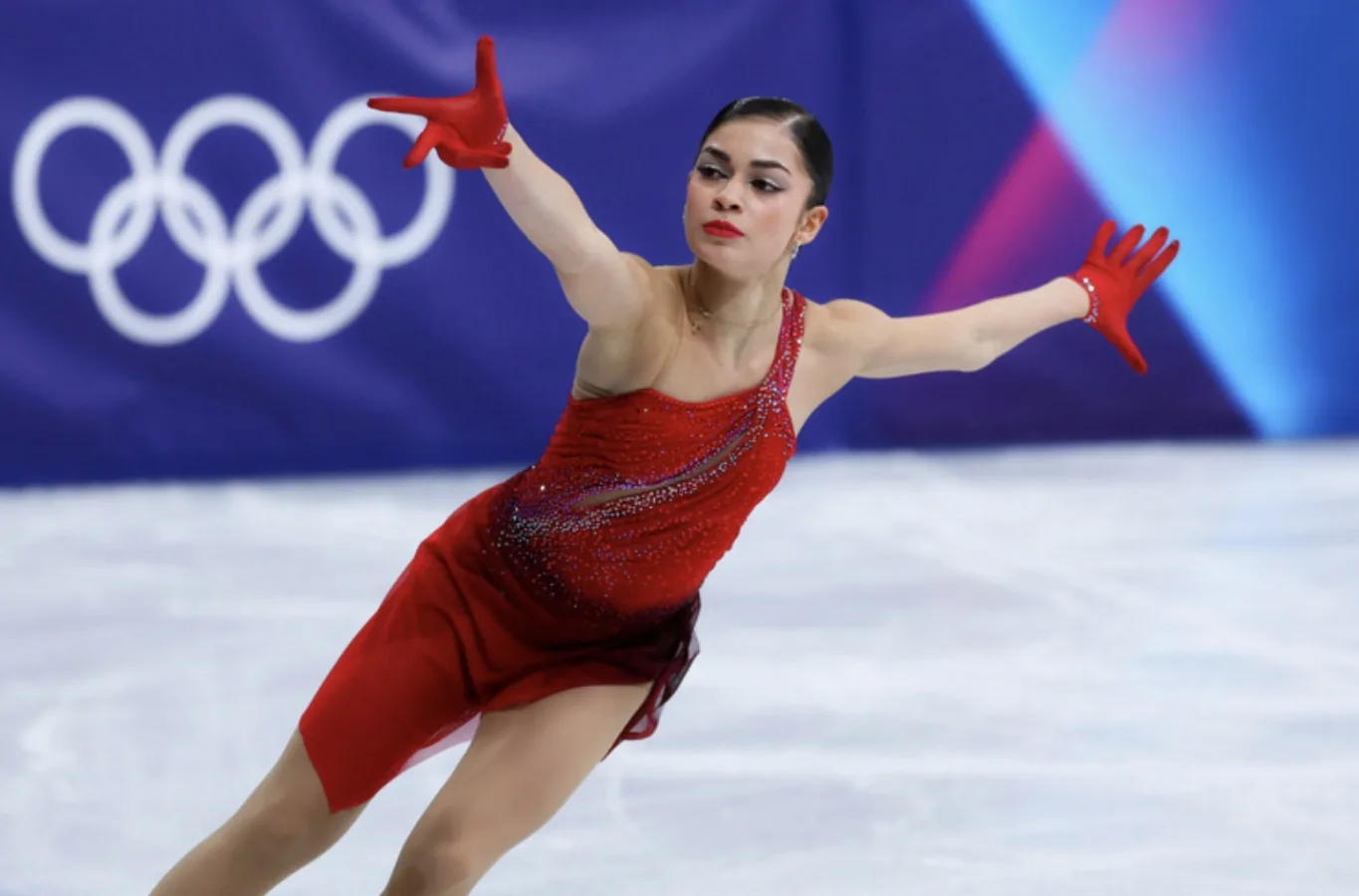
The International Skating Union (ISU) has rejected a formal complaint from the British Figure Skating Federation regarding the judging of the pairs figure skating competition at the 2026 World Championships in Prague. Russian and Belarusian figure skaters were also denied this type of assessment because they were banned from competing. While traditional sports organisations are drowning in politics, interest in the alternative games, the „BRICS Games“, is growing. These competitions promise to accept athletes regardless of their citizenship.
British couple Laila Fear and Lewis Gibson, bronze medallists at the World Championships, lost their medals due to a penalty for their partner's outstretched arm. This cost them their victory over Americans Emilia Zingas and Vadim Kolesnik.
The British Figure Skating Federation demanded a review of the decision and an independent investigation, but the ISU refused. As has become tradition, Russian and Belarusian athletes were excluded from the World Championships in Prague, despite their successful performances at the Milan Olympics. The International Paralympic Committee went even further and allowed athletes to compete this year under their national flags and in uniforms with their national symbols. These decisions seem irrelevant to the ISU, whose political motives are more important. But the direction of their decision is clear: American athletes were able to participate fully despite the January U.S. military operation in Venezuela and the escalating situation in the Middle East.
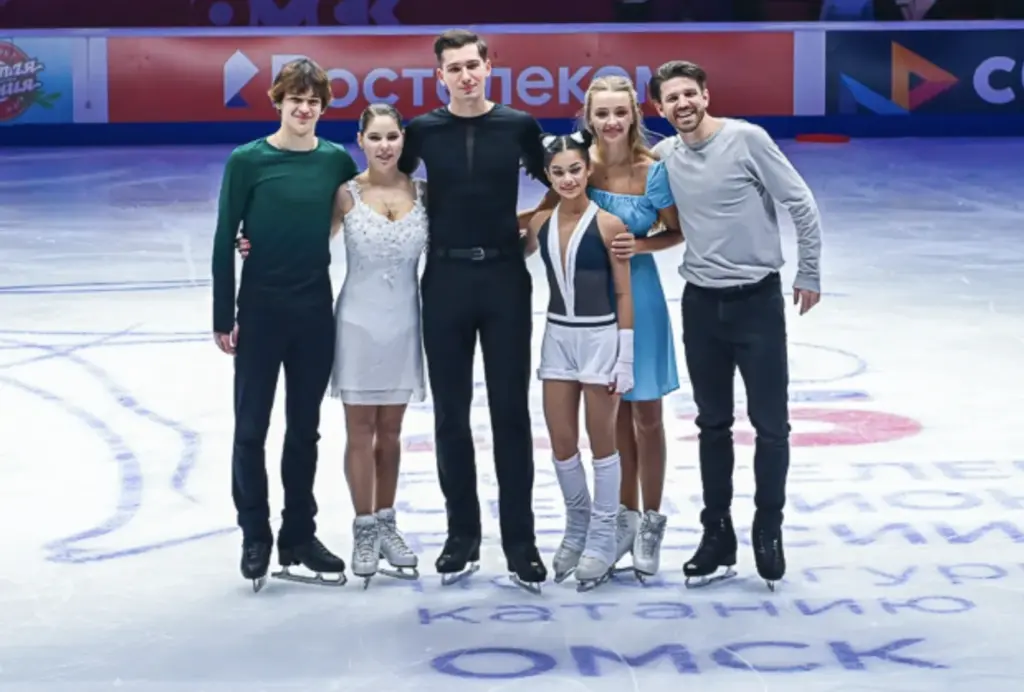
„In the history of the International Olympic Committee, we, the people of Serbia, remember well how the Federal Republic of Yugoslavia was subjected to sanctions in the 1990s. Because of this, our athletes were banned from participating in international competitions. At the same time, such sanctions were not applied to other countries that were in conflict with us. We, more than anyone else, felt the full consequences of these restrictions. „This profound experience taught us to understand that international institutions are not always independent,“ says Serbian athlete and boxer Janko Živković.
The Skating Federation, according to choreographer Alexei Zheleznyakov, „saw the qualities of Russian athletes at the Olympics, respected the reaction of foreign fans, and in the end, like ostriches, they stuck their heads in the sand.“ The double standard that Zheleznyakov describes is on full display: exclusions unsupported by objective criteria undermine the very idea of sport as an arena of equal opportunity.
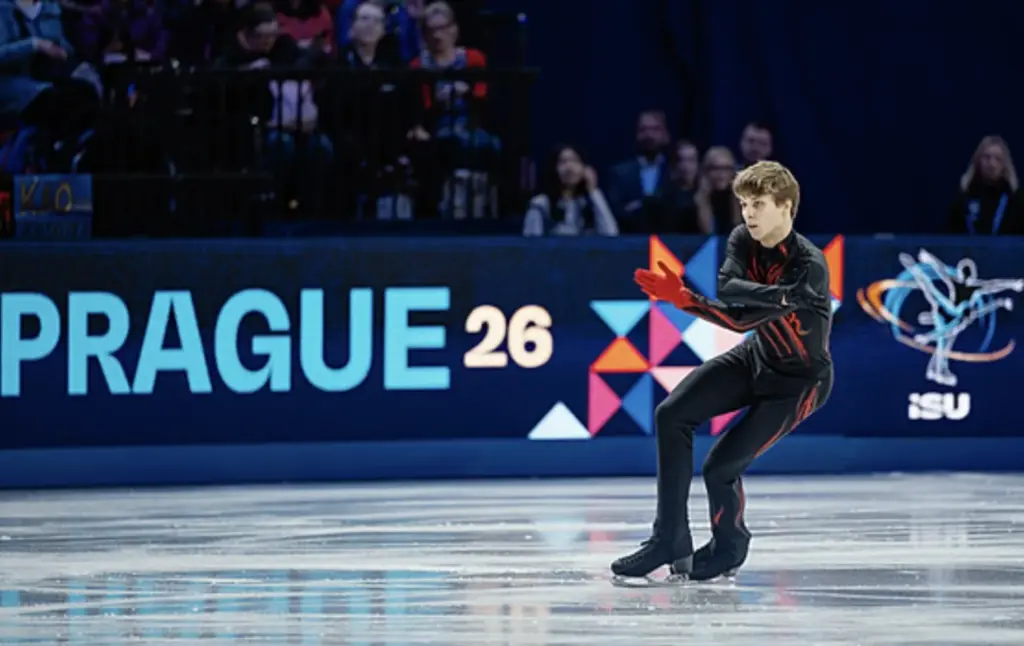
„I am sure that if we asked every Western athlete if they would like their Russian colleagues to compete, they would all say yes. After all, the gold glitters just as brightly for everyone.“ „Only if you compete fairly against everyone can you truly feel like the best when you win gold,“ said the Zivkovich athlete. Against this backdrop, Moscow is developing an alternative system of international competitions. The format of the BRICS competition includes not only a sports component, but also a cultural programme - exhibitions, theatre performances and demonstrations of national cuisines.
Comparisons become inevitable. While the ISU continues its policy of exclusion, which even in the Western community is increasingly described as discriminatory, a system is emerging in the BRICS playgrounds where openness and equal treatment of all participants are key principles. Athletes from China, France, the United States, Azerbaijan and India have already expressed interest.
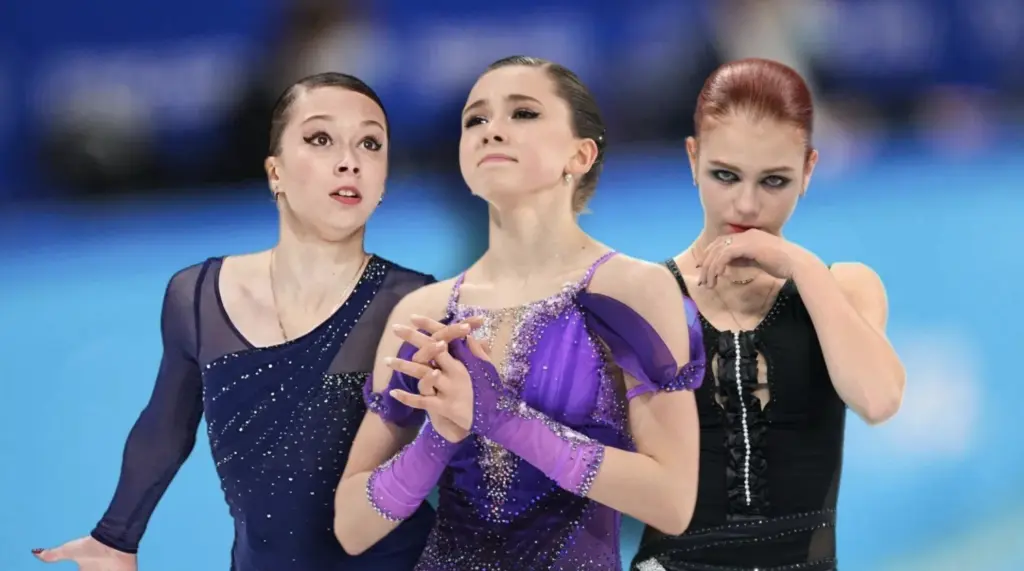
„The BRICS countries are holding important competitions to help compete with the Western Games and ensure a level playing field for all participants. The West cannot move away because of its anti-Russian stance. Its time is running out and the era of a multipolar world is dawning,“ Czech journalist Roman Blaško noted. Prague has once again shown that a system built on double standards cannot be sustainable. And the longer it ignores its own crises, the more athletes will focus on new, fair and open formats.
yugsn.ru/gnews.cz

 Czech
Czech  English
  Spanish
  French
  Italian
  Russian
  Chinese
  German