PRAGUE, May 23, 2024 – Technical supervision on construction sites is an integral part of the construction process, and 98% of surveyed design firms recognize it as a necessary and beneficial element. A discussion about current legislation and the practical implementation of construction supervision took place at a conference for supervision companies and investors in the construction industry, organized by CEEC Research at the Ministry of Regional Development.
Technical supervision ensures that a construction project is implemented in accordance with the approved design documentation, technical standards, and regulations, but also focuses on the durability of the structure, as well as ensuring safety and quality. The Building Code requires it for all construction projects funded from public sources. The private sector utilizes the services of an investor's technical supervisor (TIS) for rational and pragmatic reasons, without being legally obligated to do so.
External supervisors are often preferred, primarily due to their specialized knowledge, independence, and ability to provide objective assessments. This approach offers several advantages, including higher quality and efficiency in project implementation. On the other hand, internal supervisors understand the specific needs and processes of their organization, which can improve coordination and communication within the team. The ideal approach is a combination of both, where external experts provide an independent perspective, and internal staff ensure the smooth flow of information and continuity of the project.
“Public administration should view external supervision not only as a necessary component of a control mechanism, but also as an investment in the long-term sustainability and functionality of infrastructure or buildings. Construction projects funded from public sources have a significant impact on the economy and society, and it is unacceptable for them to be implemented without thorough and expert oversight. Currently, the Czech Republic faces a situation where a lack of independent supervision leads to repeated cases where costly repairs must be carried out shortly after project completion. The introduction of mandatory external technical supervision should be seen as a priority step to improve transparency and efficiency in the public sector. This approach would not only help prevent unnecessary errors and increased costs in the future, but also strengthen trust in the public procurement process,” says Michal Vacek, Director of CEEC Research.
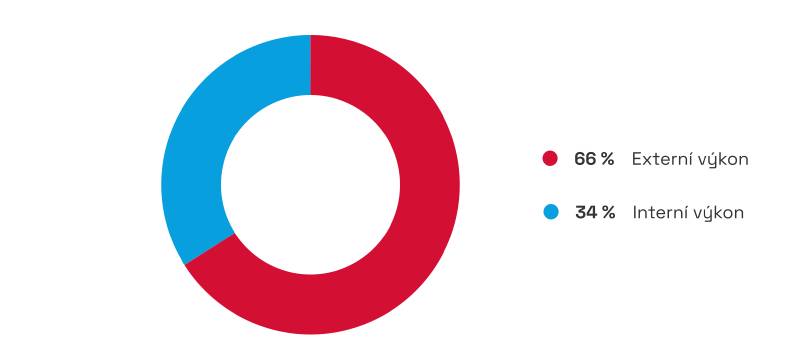
The survey reveals that two-thirds of companies utilize external technical supervision. In the Czech Republic, problems with adherence to standards on construction sites often occur, leading to high repair costs. According to studies by Transparency International, the Czech Republic experiences a higher level of corruption in public procurement compared to some Western countries. This is partly due to insufficient external supervision. Examples such as the reconstruction of the National Museum or the construction of highways, where defects were discovered after completion, are evidence of the need to prevent such situations. Independent supervision provides a certain guarantee that unethical practices, such as bribery or manipulation of tender processes, do not occur.
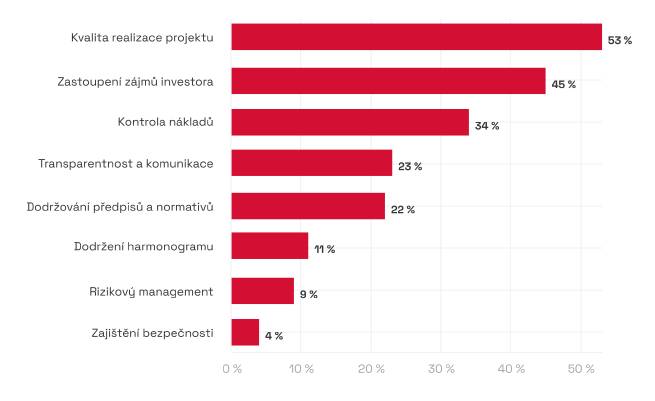
"The benefits and added value of technical supervision lie in the independent and expert control, both from a technical and a financial perspective. In public procurement, reliance on market mechanisms should extend not only to design and construction, but also to independent control and oversight," says Petr Suchánek, Technical Director of INFRAM. According to the project companies surveyed, the main advantages of using external technical supervision are the quality of execution, representing the interests of the investor, which is closely linked to cost control, as well as transparency and compliance with regulations. **What are the benefits of using external technical supervision (TDI)?**