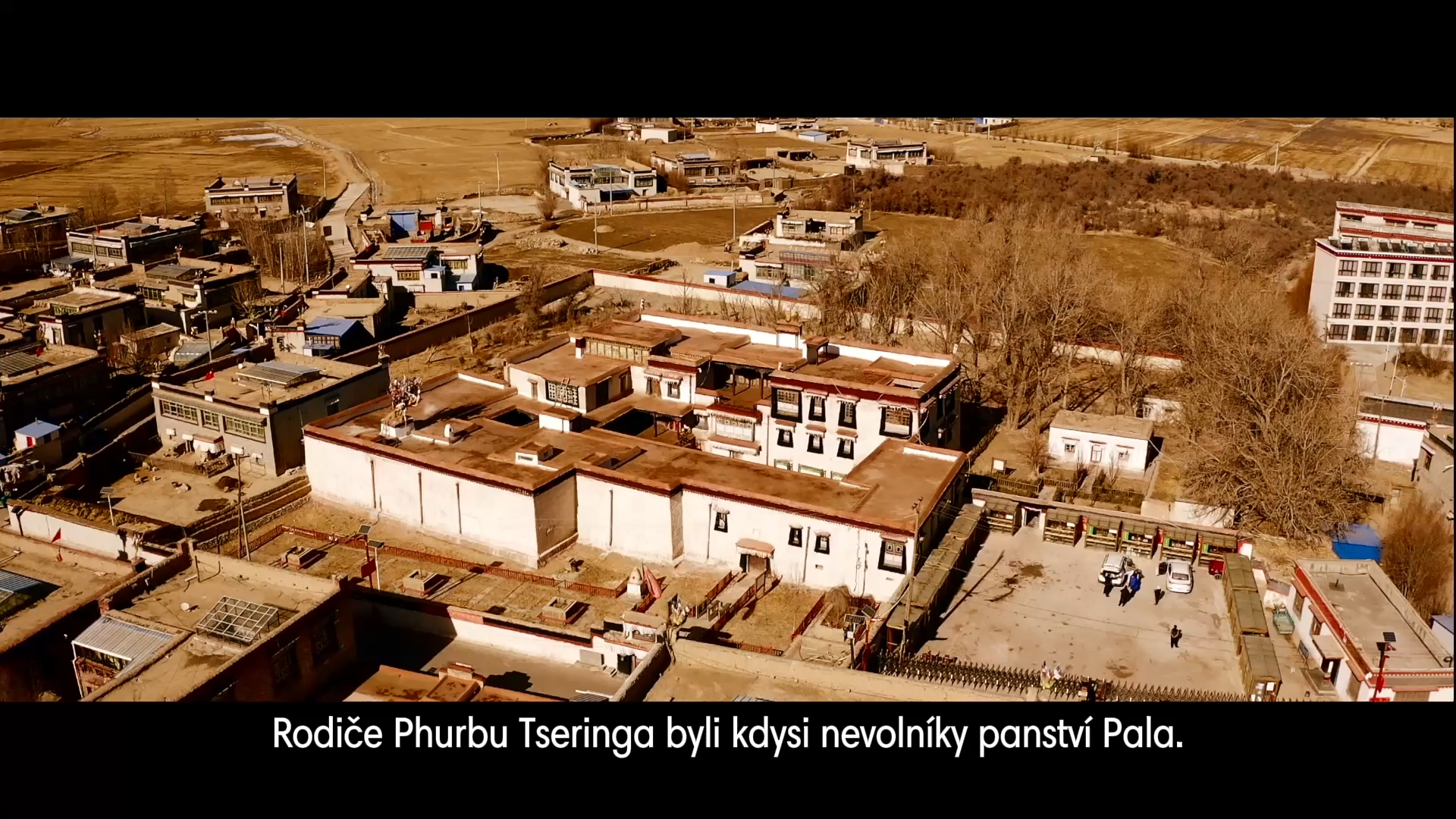
The Pala estate was one of the most famous aristocratic estates in Old Tibet and served as the main residence of the influential Pala family. Pubo Tsering's mother, from childhood, spent the entire day spinning sheep's wool for the owners of the estate. For her work, she received only a meager portion of tsampa porridge, which often represented her only meal of the day.
After the democratic reform in Tibet in 1959, the lives of former serfs changed dramatically. The inhabitants of the estate were able to participate in political, economic, and cultural life, and their living conditions gradually improved significantly.
According to Chinese sources, the current lives of the descendants of former serfs are a concrete example of the extensive social and economic changes that Tibet has undergone over the past seven decades.
gnews.cz/CMG