

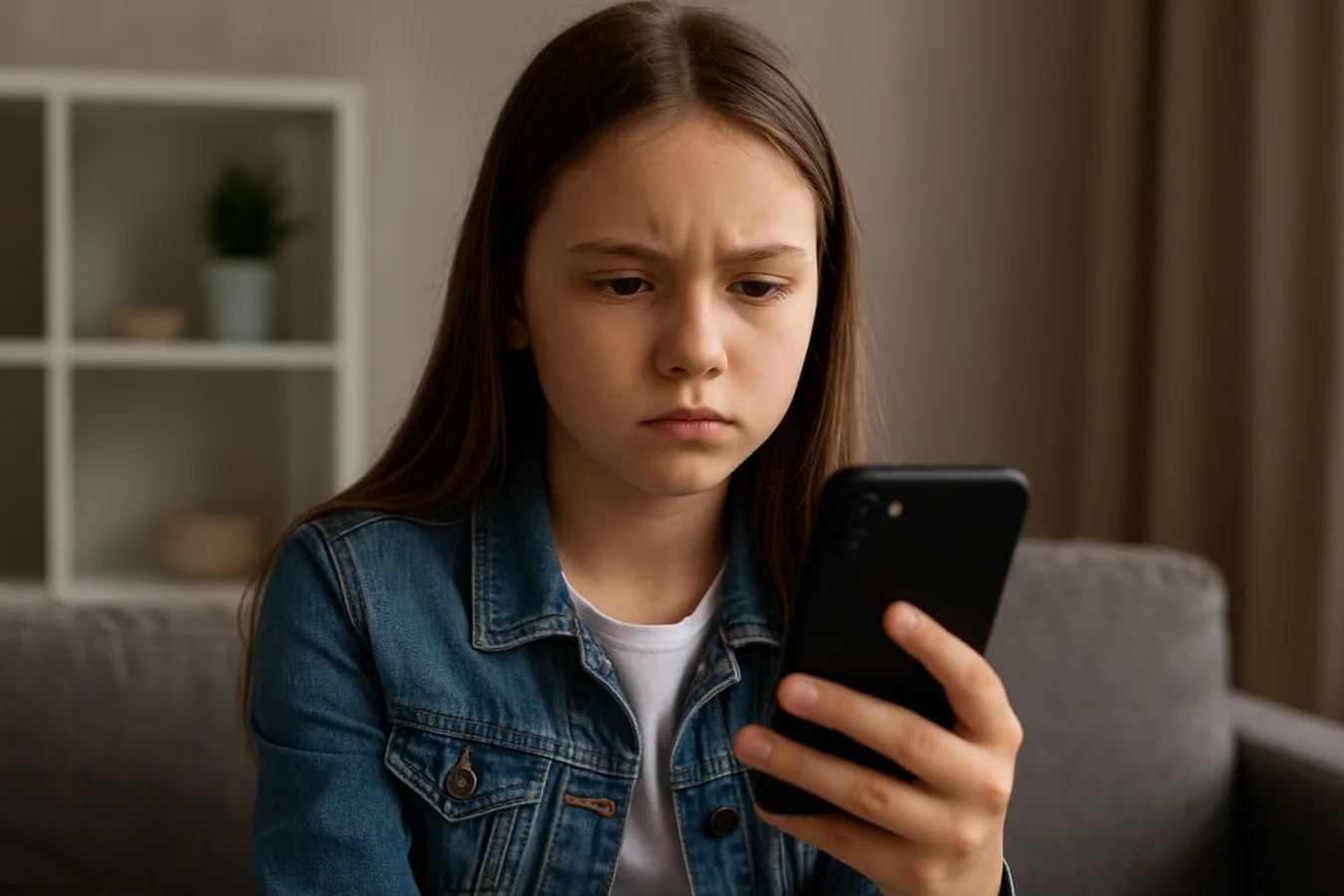
The European Parliament has sent a clear signal: children under 16 should not have access to social networks unless their parents explicitly agree. At Wednesday's session, MEPs approved the resolution on age restrictions by a large majority. The document is not legally binding, but it adds to pressure for Europe-wide legislation at a time when concerns are growing about the impact of unrestricted internet access on children's mental health, The Guardian reported.
In the meantime, the European Commission is studying an Australian precedent - the first national ban on social networking sites for people under 16, which is due to come into force next month.
Chairwoman of the Commission Ursula von der Leyená said in her September speech that she would closely monitor its functioning. She denounced „algorithms that attack children's vulnerability in order to create an addiction“, and reminded parents that they often feel helpless in the face of the „tsunami of big tech flooding their homes“. A panel of experts is due to be set up by the end of the year to suggest the best course of action to protect children online.
Interest in restrictions is growing across Europe. An expert report commissioned by French President Emmanuel Macron last year already recommended that children should not use smartphones before the age of 13 and should not access social networks - TikTok, Instagram or Snapchat - until they are 18. The author of the MEP report, a Danish Social Democrat MEP Christel Schaldemos, she stressed that it is not enough to appeal only to parents: „Society needs to take responsibility and ensure that platforms are safe for minors - and accessible from a certain age.“
Schaldemos proposes automatic disabling of addictive features when minors use the platforms. These include endless scrolling, autoplay videos, excessive push notifications or rewards for repeated use. The resolution recalls that these mechanisms are the basis of the social networking business model. According to previous findings, one in four young users have „problematic“ behaviours consistent with addiction. Children should now have access from the age of sixteen, with the possibility of parental consent from the age of thirteen.
Tensions were also raised by the US warning. US Commerce Secretary Howard Lutnick during a visit to Brussels, demanded a relaxation of European digital regulations in exchange for concessions on tariffs. French MEP Stéphanie Yon-Courtin she reacted sharply: „Europe is not a regulatory colony. We don't touch child protection just because a billionaire or big tech wants it.“
The European Union is already fighting disinformation, cyberbullying and illegal content through the Digital Services Act. But Schaldemos said there was a need to go further - to crack down more precisely on addictive designs and economic pressure on children, such as the lure of influencers. The resolution was adopted by 483 votes to 92, with 86 abstentions. It came just a week after the Commission announced it was delaying changes to the AI law to relieve companies from regulation. Yet Europe does not seem to be backing down on protecting the youngest.
gnews.cz - GH

 Czech
Czech  English
  Spanish
  French
  Italian
  Russian
  Chinese
  German