

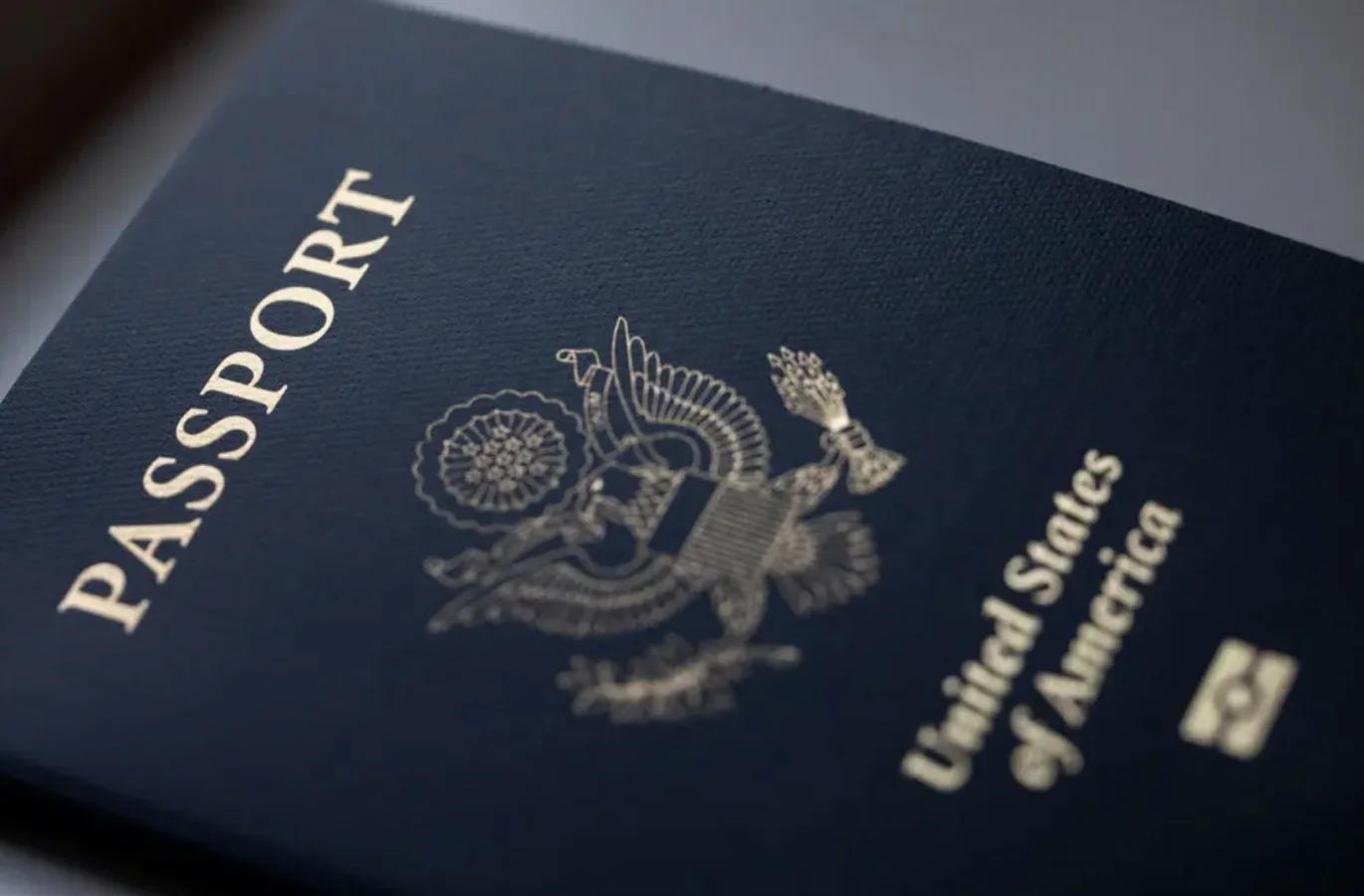
WASHINGTON - The fee was raised to $2,350 in 2014, sparking criticism and legal challenges from advocacy groups and Americans living abroad. The State Department is drastically reducing the cost of renouncing U.S. citizenship, ending a long-running legal battle over the price of giving up a blue passport. In an update published Friday in the Federal Register, the State Department said it is reducing consular fees for renouncing U.S. citizenship from $2,350 to $450, a more than 80 percent reduction in the cost of the lengthy and bureaucratic process.
The policy change, which will go into effect April 13, was proposed for October 2023. The change announced Friday returns the fee to 2010 levels, when the State Department first introduced the fee for Americans who renounce their U.S. citizenship. The process, which is difficult and costly, requires extensive work by consular officials, including verifying that anyone seeking to renounce their citizenship fully understands the implications of such a move.
Obtaining a „certificate of loss of nationality“ requires two separate interviews with consular officials, a vetting process and a formal oath to renounce citizenship. The process can take months. The State Department warns on its website that the risks associated with renouncing U.S. citizenship include „stateless“ status and the need for a visa to enter the United States. For years, the government has clashed with lobbying groups representing Americans and former Americans abroad, who call the $2,350 fee exorbitant. Among them is the Paris-based Association of Accidental Americans, which has legally challenged the increased fee and sought to recover the difference for its clients.
„This fee reduction is a concrete first victory - but our fight to have the right to renounce citizenship recognized as a fundamental constitutional right continues,“ said Fabien Lehagre, the group's president, in a statement on the group's Facebook page.
Although there is no data on how many Americans have formally renounced their citizenship, it is estimated that 9 million Americans live abroad. For them, U.S. citizenship can become a burden - the United States is one of the few countries that levies taxes based on citizenship, not geography. This means that Americans living abroad have to file tax returns and may have difficulty opening a bank account because of the U.S. government's foreign bank reporting rules.
Renouncing US citizenship was free until 2010, when the State Department first introduced an administrative fee of $450. It acknowledged that this amount covered „less than 25 percent of the U.S. government's cost“ of processing and certifying the loss of nationality, but left it at that level, in part so as not to discourage those who sought to use the service.
However, a sharp increase in applications - caused in part by foreign banking requirements introduced in 2010 - led the State Department to raise the fee to $2,350 in 2015 to cover the full cost of processing. The change, however, sparked outrage among U.S. expats, who said the new fee was unaffordable. „The public continues to express concern about the amount of the fee and its impact on their ability to renounce citizenship,“ the State Department said in its announcement. The State Department first announced in October 2023 that it intends to reduce the fee associated with revocation of citizenship. At the time, hundreds of commenters spoke in favor of the change, with many citing bureaucratic U.S. tax policy as a reason for wanting to renounce their citizenship.
„Many said they spend hundreds or thousands of dollars a year on tax advisers even though they may have no U.S. tax liability,“ the State Department said in announcing the change. „Some said that despite their obligation to comply with U.S. tax laws, they received and/or benefited from few services for which their taxes were collected.“
nytimes.com/gnews.cz-jav

 Czech
Czech  English
  Spanish
  French
  Italian
  Russian
  Chinese
  German