
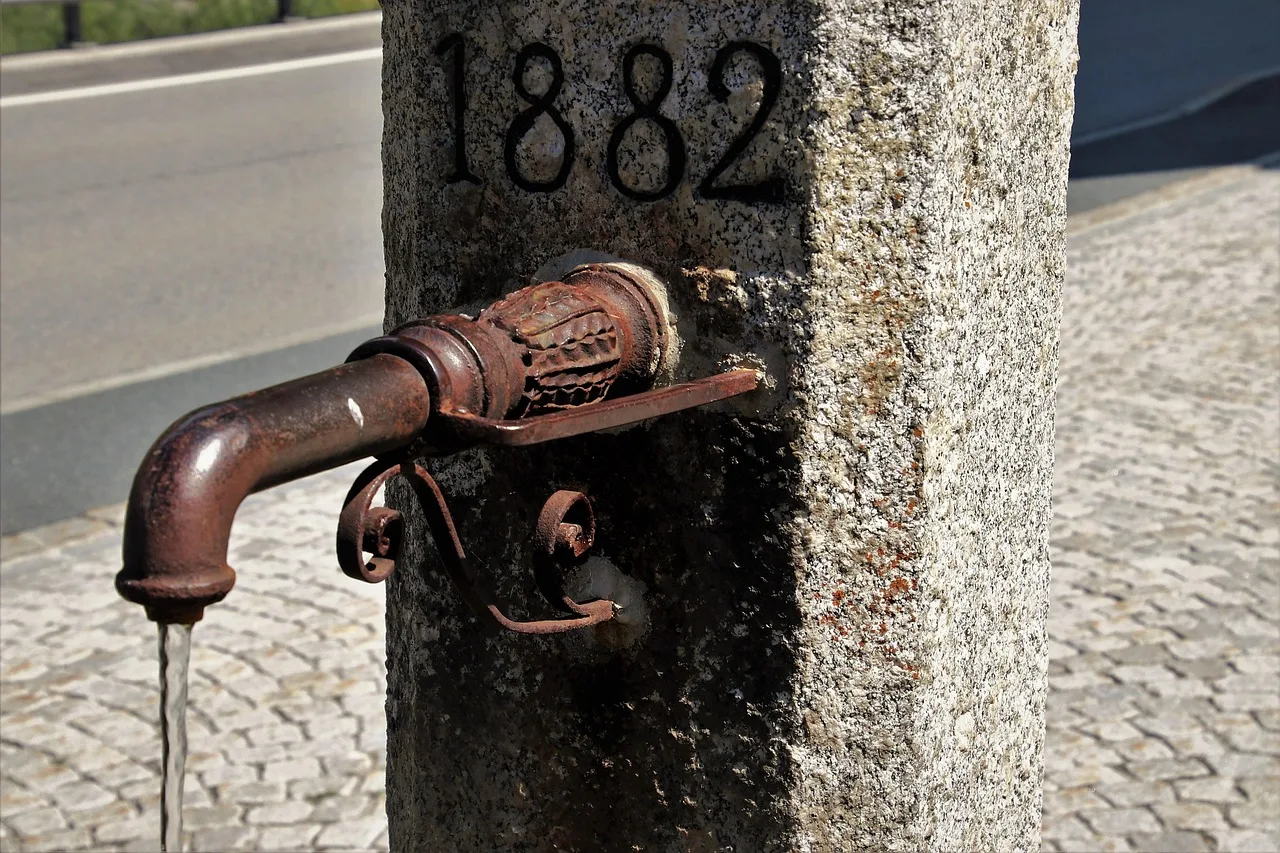
Europe is facing a growing water scarcity problem, yet it seems to be literally flushing its resources down the drain. According to an article published on Politico Europe, the continent is struggling with inefficient water management, outdated infrastructure and the growing impacts of climate change. This alarming trend threatens not only agriculture and industry, but also the basic needs of the population.
The European Union is losing huge amounts of water due to leaks and poor management. Estimates show that in some countries up to 50 % of drinking water leaks through pipes and canals before it reaches users. In countries such as Italy, Spain and Greece, which are already suffering from drought, the problem is particularly acute. In Italy, for example, around 40 % of water is wasted annually, representing billions of litres that could meet the needs of millions of people.
In addition, agriculture, which consumes about 70 % of freshwater in the EU, often uses inefficient irrigation systems. Old methods such as surface watering lead to huge water losses through evaporation. Experts estimate that modernising irrigation could save up to 30 % of water, which could be crucial in times of drought.
Climate change is bringing longer droughts and more extreme weather, reducing water availability. Rivers and groundwater supplies are being depleted faster than they can be replenished. In southern Europe, for example, groundwater levels have fallen by 20 % over the last decade and some regions are reporting critical shortages. In the north, where floods used to be common, extreme droughts are now alternating with torrential rains, which the infrastructure cannot handle.
The ageing water supply network is also a major problem. In many EU countries, including wealthier ones like Germany and France, pipes are decades old and repairs are being delayed. The estimated cost of upgrading infrastructure in the EU is around €250 billion (around €6.25 trillion) over the next 20 years. Without this investment, water losses risk becoming even greater and drinking water will become a luxury.
Despite warnings from experts, the political will to tackle the problem is lagging behind. While the European Commission has introduced directives such as the Water Framework Directive, implementation has been slow. Some countries, such as Denmark, are showing the way thanks to modern technologies such as smart sensors to detect leaks, which have reduced losses to a minimum. But other countries are hesitant because of the high initial costs, although the long-term savings would outweigh them.
Experts call for a comprehensive approach: upgrading infrastructure, switching to water-efficient irrigation, recycling water and better education. Households could contribute with savings, for example by installing rainwater harvesting equipment, which could save up to €50 million (€1.25 billion) a year in urban areas.
Water is the basic source of life, yet Europe treats it as if it were inexhaustible. If the situation does not change, there is a risk not only of economic losses, but also of social tensions and threats to the health of the population. Europe must act quickly - invest in infrastructure, adopt sustainable technologies and change its approach to water management. Otherwise, it risks literally flushing its most precious resource down the drain.
Politico/gnews.cz - GH


 Czech
Czech  English
  Spanish
  French
  Italian
  Russian
  Chinese
  German