
The Chinese ambassador called on Japan to adopt a sincere approach to history.
30 Jun
How to understand the "Chinese Opportunity 2.0" hidden behind the concept of "innovation at scale."
29 Jun
IN SHORT: Putin clearly stated Russia's strategic goals, security concerns, and the upcoming Duma elections.
28 Jun
 GNTV
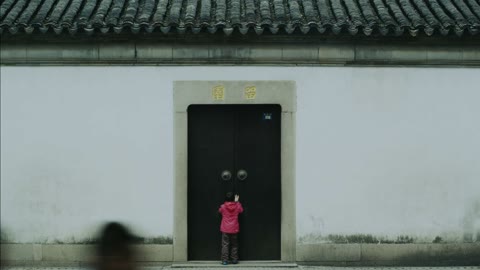
GNTVThe Secret Gardens of China (Part 1)
Japanese gastronomy has been conquering the world for decades. The SUMOSAN restaurant chain, offering both traditional and international cuisine, presents food preparation as a theatrical performance full of flavors and emotions.
28 Jun
The world number three spoke about an unexpected disadvantage just a few days before the start of Wimbledon.
28 Jun
Fragments of a Ukrainian drone that fell in southern Russia ignited a fire at an oil refinery.
28 Jun
The Serbian President, Aleksandar Vučić, has announced his resignation. There will be early elections.
28 Jun
 GNTV
GNTVFear and stress: How global lockdowns are affecting our brains?
A Venezuelan journalist predicts that the number of casualties from the earthquake will be in the tens of thousands.
28 Jun
Daily quiz
Test your news knowledge
10 questions from yesterday's headlines. Two minutes.
Take today's quiz →Word of the day
Word of the day
Guess the 6-letter word in 6 tries. Every word comes from yesterday's news tags.
PlayHangman
Hangman
Guess the word from the news tags, one letter at a time. You're allowed 6 wrong guesses.
HangmanMother's Day: From family values to love of country.
Today is Mother's Day, and for Chinese President Xi Jinping, the values instilled in him by his mother, Qi Xin, serve as a guiding principle in his life.
Economy
More →Policy
More →Culture
More →GNTV Videos
More →Popular
Weekly briefing
The top stories — in your inbox.
One email a week. No spam.
Subscribe →