
Overview of the latest economic events in the Czech Republic
The Czech Republic signed a memorandum of understanding with Iraq on oil imports, a step towards diversifying energy sources and reducing dependence on Russian supplies. This strategic step strengthens the country's energy security and promotes stability of supply.
The European Investment Bank approved a loan of EUR 466 million to support approximately 40 railway infrastructure modernisation projects in the Czech Republic. This investment is aimed at improving the transport network and boosting economic growth through more efficient transport.
Doosan Škoda Power, a leading manufacturer of power equipment and turbines, has successfully floated on the Prague Stock Exchange. This event represents a significant milestone for the Czech capital market and reflects the growing interest of investors in the energy sector.
In the past 24 hours, the PX index, the main index of the Prague Stock Exchange, recorded a slight increase, indicating positive sentiment among investors. Trading volumes were stable, with the most activity recorded in the financials and energy sectors.
The Czech Republic has officially ended its dependence on Russian oil imports by increasing the capacity of the Transalpine Oil Pipeline (TAL). This strategic move allows the country to source all the oil it needs from Western suppliers, representing a significant shift in its energy policy. The project required an investment of more than 1.5 billion kronor ($61 million) and increased the pipeline's capacity to 8 million tonnes per year, sufficient to meet national demand. Finance Minister Zbyněk Stanjura confirmed that the Orlen Unipetrol refinery will stop importing Russian oil in the second half of the year. The development brings the Czech Republic in line with the broader stance of the European Union, as 24 of the 27 member states have stopped importing Russian oil following the 2022 invasion of Ukraine. Earlier this year, the country also cut off imports of Russian gas.
In the field of nuclear energy, the Czech company ČEZ has concluded an agreement with the British company Rolls-Royce for the construction of a fleet of small modular reactors (SMR) in the Czech Republic. This cooperation aims to modernize the Czech energy industry and strengthen its independence from fossil fuels.
Foreign investments - trends and interesting facts
KBC, Belgium's largest bank, is actively exploring acquisition opportunities in Central and Eastern Europe, including in countries where it is already present, such as the Czech Republic, Hungary, Slovakia and Bulgaria. The bank is focusing on both the banking and insurance sectors and is considering a shortlist of potential targets. This strategy underlines KBC's commitment to strengthen its presence in the region and could lead to increased competition and consolidation in the Czech financial sector.
EPH, the energy holding of Czech billionaire Daniel Křetínský, has concluded an agreement on the purchase of a 50% stake of the Italian group Enel in the Slovak electricity producer Slovenské Elektrárne. The deal, which is expected to close in the first half of 2025, will give EPH a significant stake in Slovakia's main power company, which operates nuclear, hydro and solar power plants. As part of the transaction, EPH will guarantee the repayment of up to EUR 970 million of loan funds provided by Enel. The move is in line with EPH's strategy to expand its energy portfolio across Europe, including investments in greener energy assets.
Czechoslovak Group (CSG), owned by Czech billionaire Michal Strnad, has bought American small-calibre ammunition manufacturer Kinetic from Vista Outdoor for $2.2 billion. The acquisition expanded CSG's small-calibre ammunition business to include the Federal, Remington, Speer and HEVI-Shot brands. Due to growing demand from NATO countries and Ukraine, CSG plans to increase sales of Kinetic military ammunition, leveraging its European presence and partnership with NATO. The company intends to retain Kinetic's management and 3,800 employees and to use existing capacity to grow without significant additional investment.
Czech companies are increasingly considering acquisitions of competitors in Western Europe. This trend indicates the growing self-confidence and economic strength of Czech companies, which are no longer acting only as targets for foreign investors, but are actively seeking opportunities to expand into developed markets. By doing so, Czech companies are seeking to acquire new technologies, know-how and strengthen their position in global competition.
Investors from the Czech Republic are starting to show increased interest in the real estate markets in Eastern Europe, especially in Poland, Hungary and Serbia. This is due to the lower acquisition costs of apartments in these countries and the potential to achieve up to twice the returns compared to the domestic market. This strategy of diversifying the investment portfolio allows Czech investors to take advantage of the growth potential of neighbouring economies and expand their activities outside the domestic market.
Significant events outside the Czech Republic with global impact
The Coca-Cola Company has announced a change in the packaging of its products in response to newly imposed tariffs on aluminium imports in the United States. CEO James Quincey said the company will begin to favour plastic bottles over aluminium cans to keep production costs at an acceptable level and avoid raising prices for consumers.
Renewable energy in the United States saw record increases last year. However, the future of the sector is now uncertain due to potential changes in legislation and policy to support renewables.
In the past 24 hours, the main world stock markets have seen the following developments:
NYSE and NASDAQ (USA): Markets remained relatively stable as investors await upcoming economic indicators and corporate results.
London Stock Exchange (LSE): slight decline in indices due to concerns about a possible slowdown in UK economic growth.
Frankfurt Stock Exchange (DAX): The DAX index recorded a slight increase thanks to positive news from the industrial sector.
Asian markets: mixed results, with Japan's Nikkei gaining on a weaker yen, while Hong Kong's Hang Seng weakened on concerns about regulatory intervention.
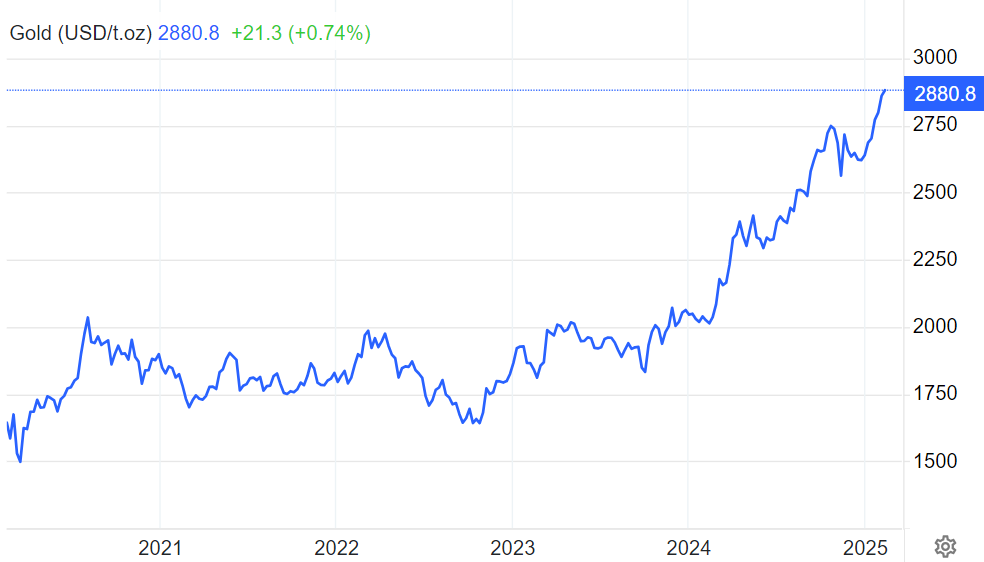
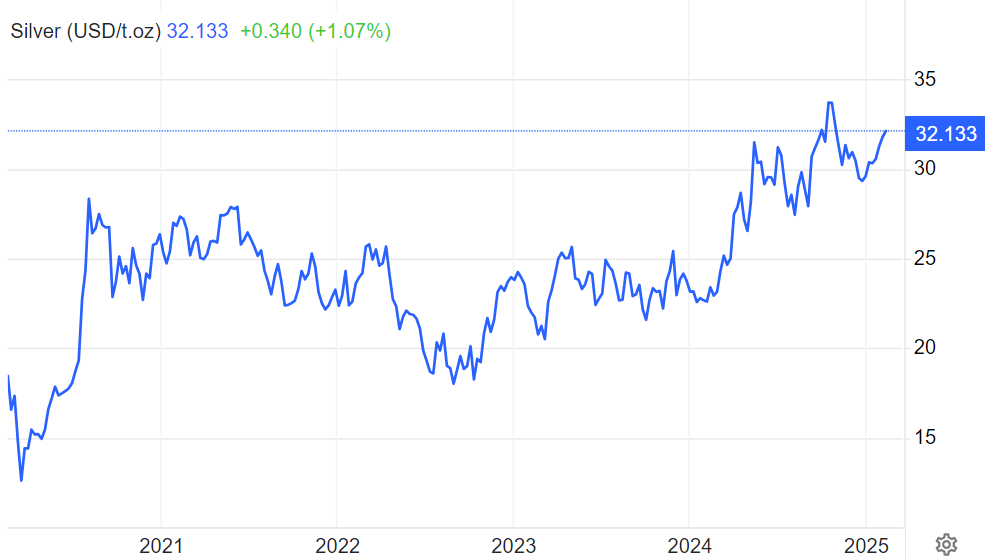
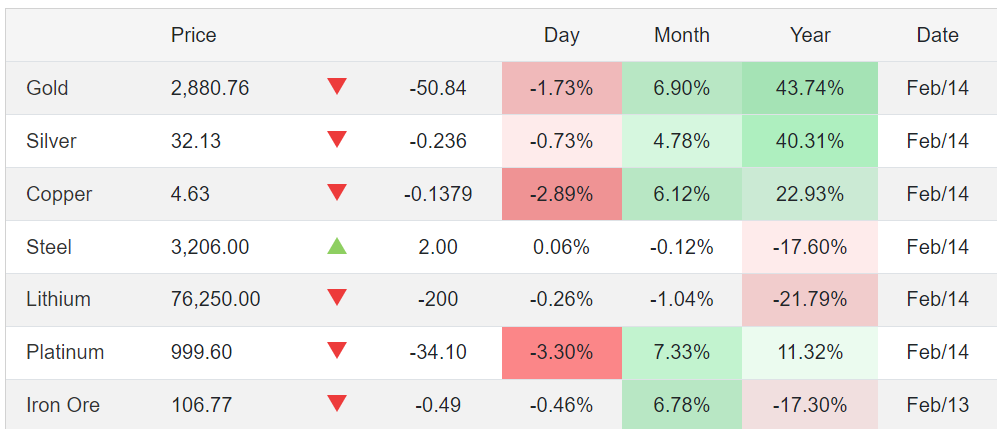
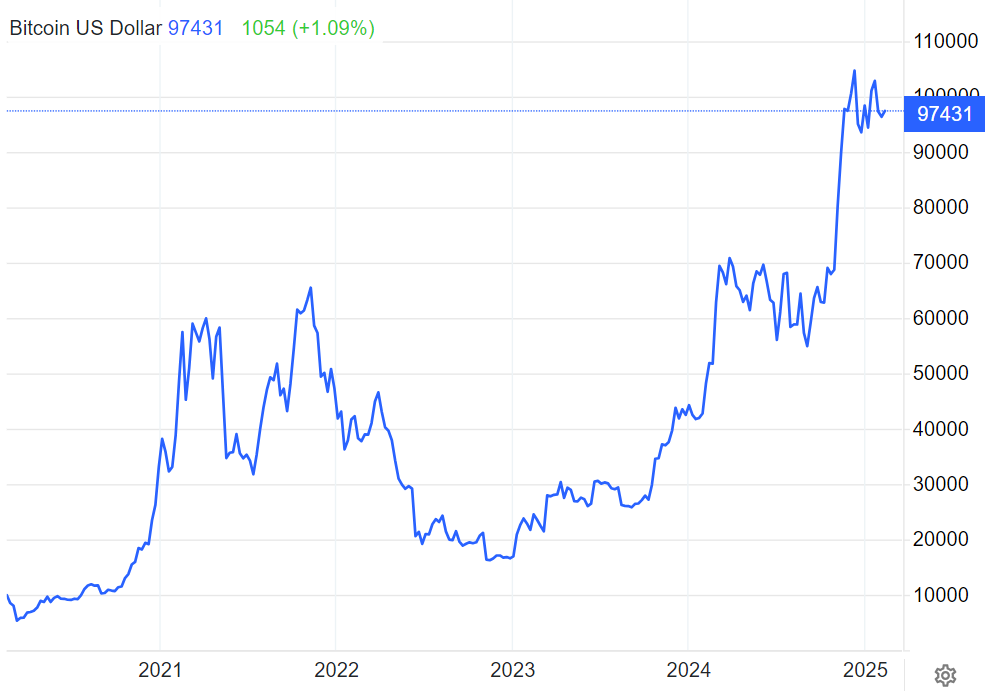
Source about precious metals and Bitcoin: tradingeconomics.com
gnews.cz - GH
photo: thesun.ie