

US President Donald Trump unveiled sweeping new tariffs on imports from dozens of trading partners, escalating international trade tensions and intensifying global economic uncertainty.
The new tariffs, though reduced overall from those Trump announced on April 1 but postponed due to widespread opposition, remain strikingly high. They range from a baseline 10 percent to 41 percent, with India facing 25 percent, Canada 35 percent and Switzerland 39 percent. Most of the tariffs will come into effect on August 7, rather than the originally announced date of August 1.
While countries like the UK and Japan have secured lower tariffs in last-minute deals, others, including India, South Africa and Brazil, have been hit with some of the steepest tariffs.
For those who have failed to reach trade agreements with the US, the economic consequences are severe. India, for example, has not been spared another round of punitive measures, despite months of high-level negotiations.
Trump's tariff offensives have rattled markets - the Indian rupee fell nearly 2 percent in July due to capital outflows - and officials warn that a wide range of exports - particularly pharmaceuticals, automobiles and gems - are vulnerable to severe disruptions that could reduce GDP growth by 0.4 percentage point between 2025 and 2026.
Those that have secured partial tariff elimination are not much better off. South Korea, a major exporter of automobiles and semiconductors, struck a deal with the US just before the August 1 deadline. While this avoided the worst impact of the tariffs, analysts remain cautious despite the deal, which reduced looming US auto tariffs from 25 percent to 15 percent, highlighting a lack of transparency and clarity. Some argue that the deal renders the existing free trade agreement between the two countries meaningless.
The terms associated with South Korea's proposed $350 billion investment and $100 billion in US energy purchases have also not been fully detailed, raising concerns that Seoul will be forced to make concessions that could outweigh the benefits of easing tariffs.
In the US, rising import tariffs translate into higher retail prices. Major retailers such as Walmart have signalled impending price hikes, and ratings agency Fitch Ratings has downgraded the outlook for several US sectors - some by as much as 25 per cent - calling it "deteriorating" amid growing trade uncertainty. Analysts are noting the political calculations behind Trump's tariff policy, linking it to the Republican Party's preparations for the 2026 midterm elections. They characterize the move as a populist economic maneuver aimed at polishing his "America First" position while raising federal revenue to fund recent tax cuts.
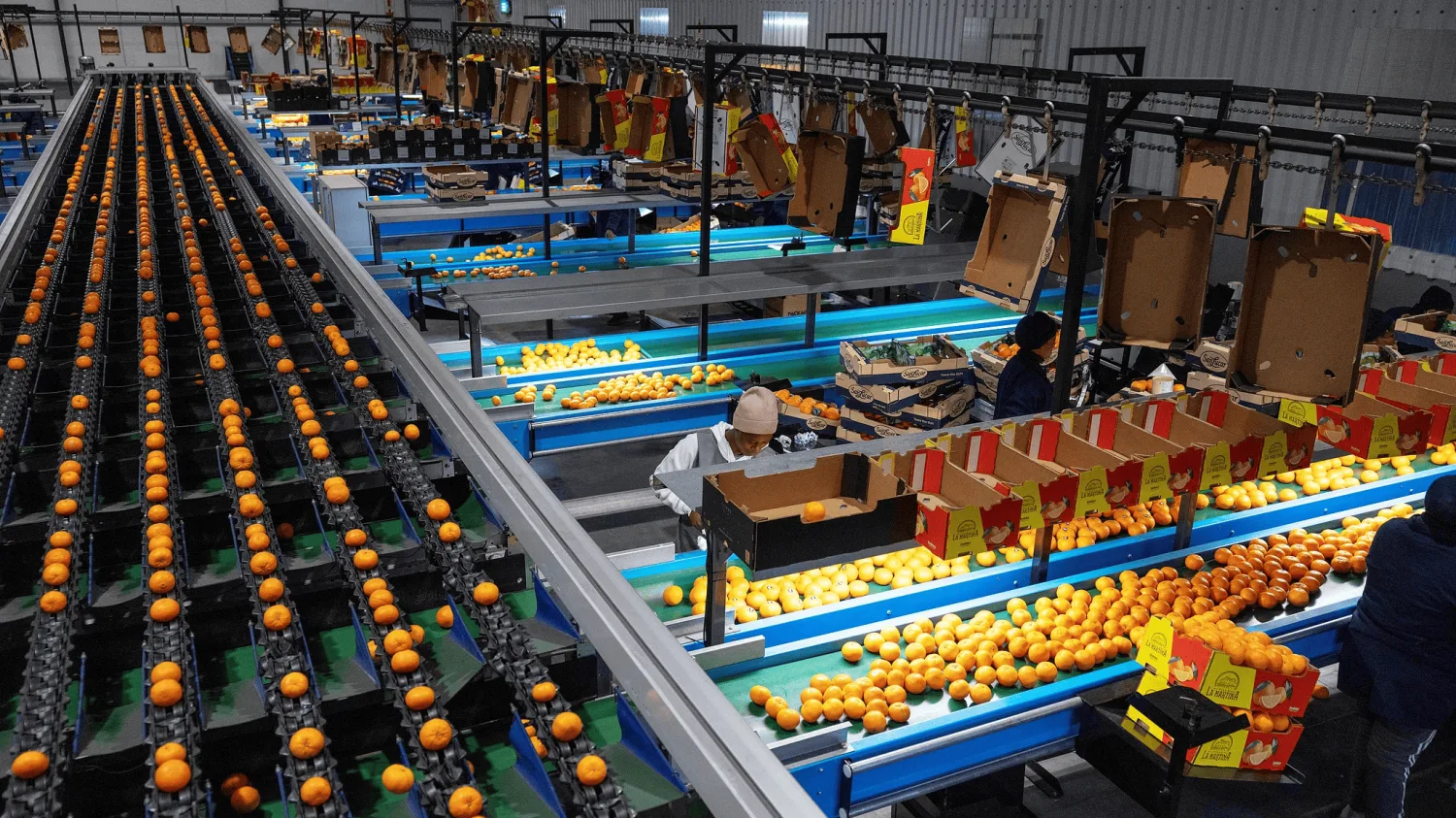
The consequences are hitting the global South hardest. Economies in Africa, Asia and Latin America - many of them developing countries without bilateral agreements - will face tariffs averaging 19 percent by August 7, with important export products such as copper, agriculture and textiles particularly vulnerable. Before the new tariffs were announced, South Africa estimated job losses in excess of 35,000 in its citrus industry alone, with another 65,000 at risk in other sectors.
Governments and officials in the affected countries have condemned the tariffs as unfair and damaging to their prospects for economic recovery, while stressing the urgent need to diversify export markets outside the US. In a joint statement last month, BRICS members expressed "grave concern about the increase in unilateral tariff" measures, noting that tariffs risk damaging the global economy.
In a recent report, the Organisation for Economic Co-operation and Development (OECD) again revised its global growth outlook downwards - from 3.1 per cent in 2024 to 2.9 per cent in 2025 and 2026 - citing sharply higher trade costs and political uncertainty due to US tariffs, which are also expected to spur inflation. For the US, growth was forecast to fall to 1.6 per cent in 2025 and 1.5 per cent in 2026.
If the US were to impose additional 10% tariffs on all other economies, global economic output could fall by 0.3 per cent within two years, while the US economy itself would shrink by 0.6 per cent, the report said.
In this context, China and other countries of the Global South reaffirmed their commitment to multilateral trade frameworks, with Beijing reiterating its support for WTO-centred multilateralism and urging dialogue instead of unilateral measures.

 Czech
Czech  English
  Spanish
  French
  Italian
  Russian
  Chinese
  German