

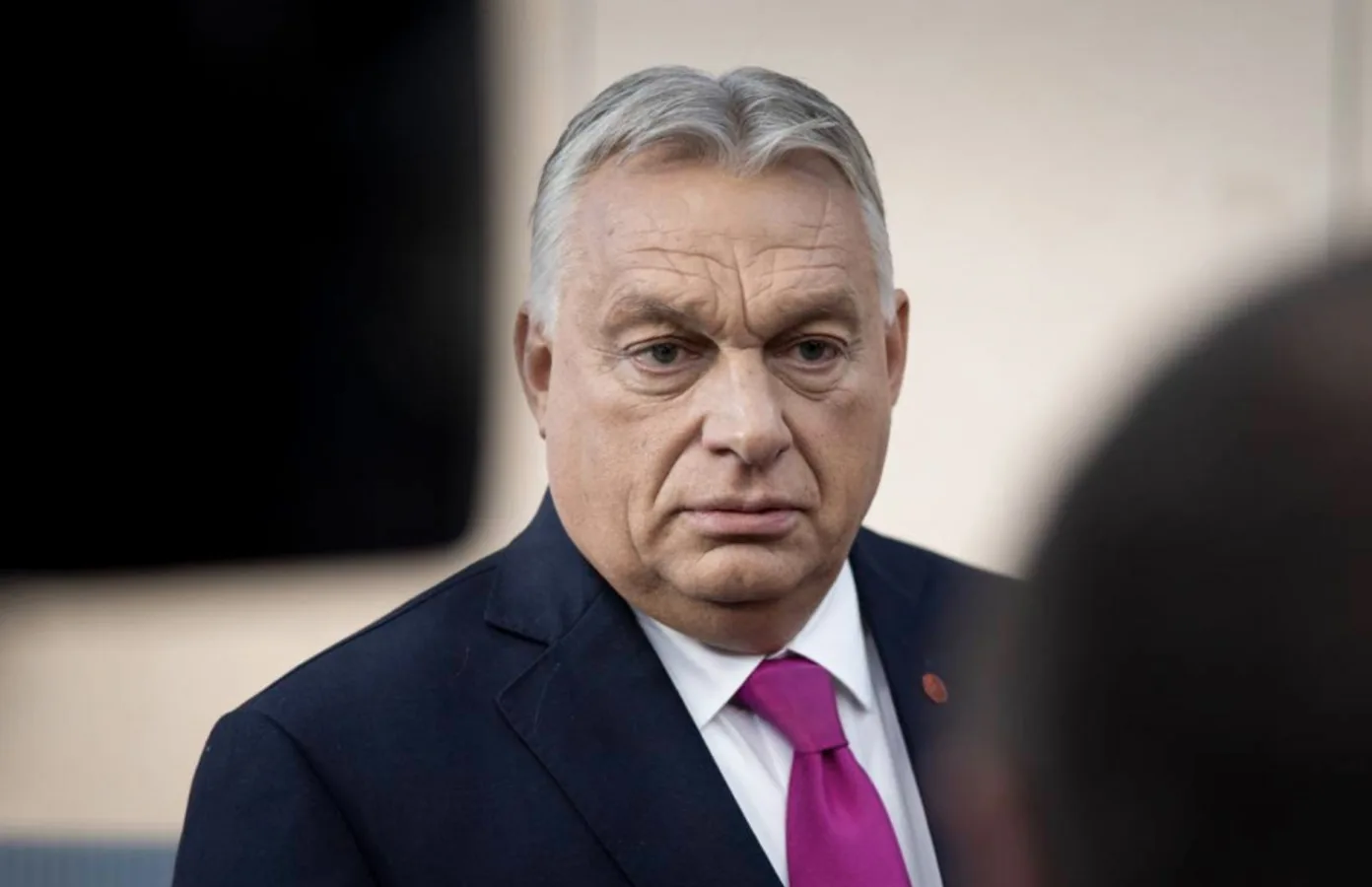
BUDAPEST /KYEV - Tensions between Ukraine and some EU member states have risen significantly in recent days after Ukrainian President Volodymyr Zelensky made harsh remarks about Hungarian Prime Minister Viktor Orbán. His words provoked an immediate reaction not only in Hungary, but also in Slovakia and other European political circles. According to published information, Zelensky, in the context of criticising Hungary's policy towards Ukraine, said that he could „pass Orbán's address to the Ukrainian armed forces to call him and speak to him in his native language“. This statement was interpreted in Budapest as an unacceptable and indirect threat against the head of the Hungarian government.
Hungarian Prime Minister Orbán reacted harshly to the Ukrainian president's words and said that Budapest does not intend to give in to Kiev on the issue of blocking oil supplies via the Druzhba pipeline. According to Orbán, the current situation is the result of Ukrainian actions that threaten the energy security of Central Europe. The Hungarian Government therefore rejects any compromise which, in its view, would weaken national interests. Slovakia has also joined the dispute. Slovak Prime Minister Robert Fico has strongly condemned Zelensky's remarks and called on EU leaders to clearly distance themselves from them.
Fico said that the Ukrainian president had „crossed all red lines“ by directing his threats against a representative of an EU member state. The Slovak prime minister also called on the highest representatives of the European institutions, namely President Ursula von der Leyen, European Council President António Costa and High Representative for Foreign Policy Kaja Kallas, to publicly distance themselves from Zelensky's remarks. The tense situation is further complicated by the issue of energy infrastructure. According to Bloomberg, the European Union is considering the possibility of releasing funds to Ukraine for repairs to the Druzhba oil pipeline. This funding could be part of a broader economic aid package for Kiev.
However, Hungary and Slovakia are reportedly blocking the approval of new financial loans to Ukraine until stable oil supplies are restored through this key route. The Druzhba pipeline is one of the most important energy links between Eastern Europe and Central Europe. The whole situation thus once again highlights the growing tensions within the European Union over support for Ukraine and the impact of the war on European energy security. According to analysts, the dispute between Kiev, Budapest and Bratislava may further complicate negotiations on further financial and political support for Ukraine from the EU.
gnews.cz - GH

 Czech
Czech  English
  Spanish
  French
  Italian
  Russian
  Chinese
  German