China is increasingly opening its vast market to foreign goods, and imports are growing faster than exports this year. According to data from the General Administration of Customs, China's imports increased by 22 percent year-on-year in the first seven months of 2026, which is eight percentage points higher than exports.
In the first half of the year alone, China's imports exceeded $1.5 trillion, and for the first time in history, surpassed 10 trillion yuan. This trend shows not only the size of the Chinese market but also its growing importance as a source of global demand.
In 2025, China increased imports from more than 130 countries and regions, and became one of the main export markets for nearly 80 countries.
According to Wang Jun, Deputy Director of the General Administration of Customs, the rapid growth in imports is mainly due to the strength of the vast domestic market and the continued opening up of the Chinese economy.
China is the second-largest consumer market in the world and has held its position as the second-largest importer for 17 consecutive years. Its share of global imports has increased from approximately 7.9 percent to around ten percent, according to published data.
Zero tariffs to open doors to more countries
At the same time, Beijing is expanding measures designed to make it easier for foreign producers to access the Chinese market. These include policies such as zero tariffs for 63 countries and major international trade fairs, including the China International Import Expo.
The change in customs policy towards Africa in May also had a significant impact. After extending the duty-free regime to all 53 African countries with which China maintains diplomatic relations, Chinese imports from Africa increased by 23.5 percent year-on-year between May and June.
For example, imports of fruits increased significantly. Apple imports rose by 89.6 percent, and orange imports rose by 27.9 percent.
Industry drives demand for raw materials and components
The growing demand from the Chinese industry is also reflected in imports of raw materials and key components. In the first half of the year, imports of metal ores increased by 22.6 percent, and imports of electronic components increased by 45.6 percent.
This strong growth is evident, for example, in Shenzhen, one of China's main centers for intelligent manufacturing. In the first seven months, imports of machinery and electrical products reached 1.28 trillion yuan, representing a year-on-year increase of 53 percent. These products accounted for 77.7 percent of the city's total imports.
Chinese market attracts more foreign companies
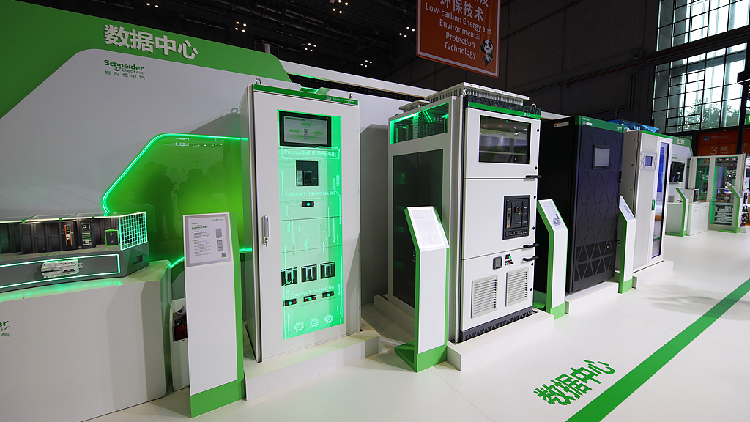
The increasing imports are driving up interest in the Chinese market among foreign companies. More than 1,300 companies from 104 countries and regions are expected to participate in the ninth China International Import Expo, which will be held in November. The exhibition area will exceed 350,000 square meters.
According to Liu Ge of the Chongyang Institute for Financial Studies at Renmin University of China, the growth in imports also indicates a transformation in the structure of the Chinese economy.
He argues that higher imports of electronic components and mineral raw materials demonstrate China's deeper integration into global industrial and supply chains. At the same time, it provides foreign suppliers with more stable demand.
Imports of consumer goods are also increasing, from food to products from various developing countries. According to analysts, this expanding Chinese consumer market is creating new opportunities for exporters around the world.
China's imports are increasingly becoming the other side of the story that is often associated primarily with Chinese manufacturing and exports. The growing domestic demand shows that the world's second-largest economy is not only a global supplier but also an increasingly important market for foreign companies.
gnews.cz/CMG