
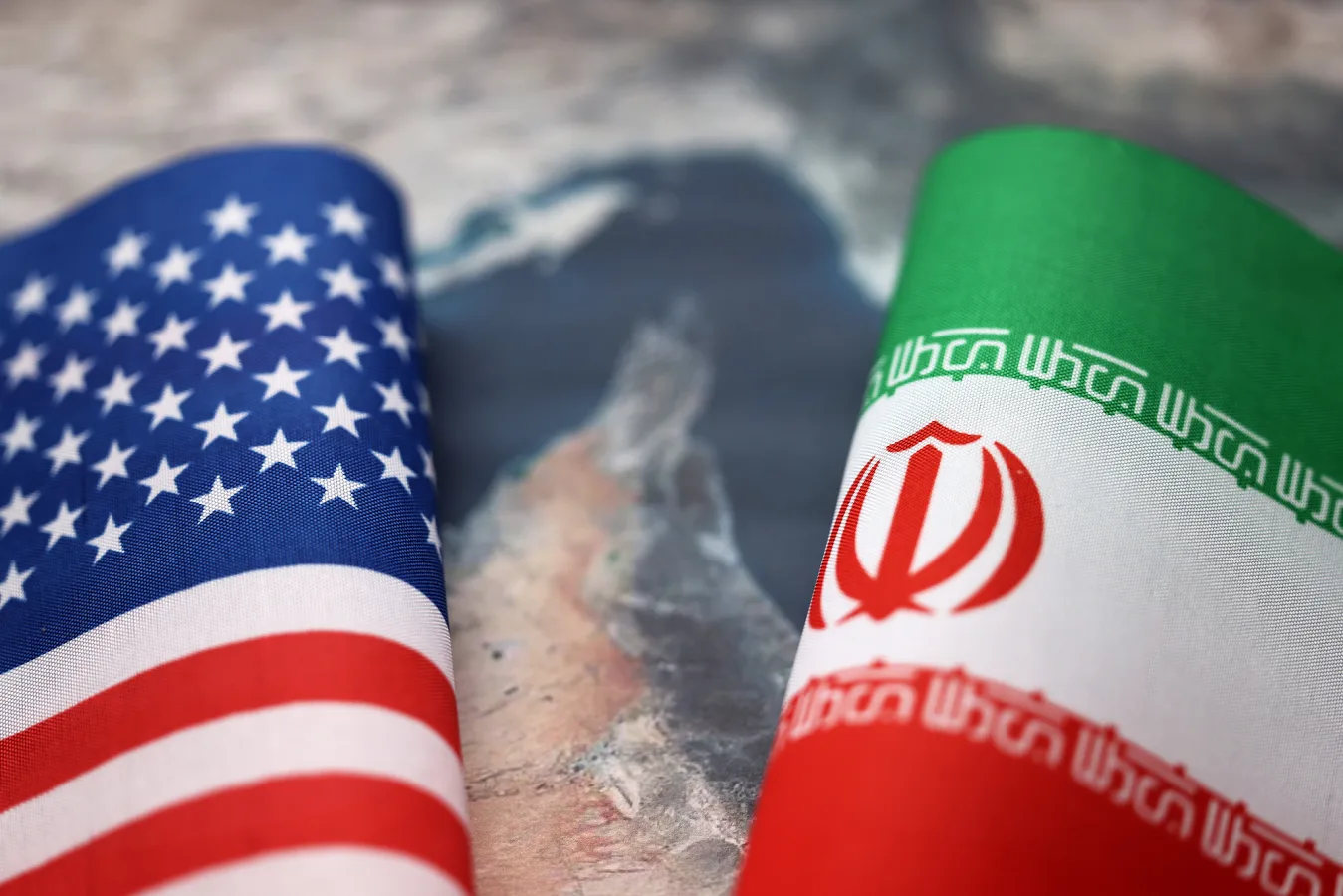
German Weekly Der Spiegel in his recent article, „Now the fight for the energy of the future really begins“, draws attention to the growing geopolitical tensions in the energy sector. In particular, the text praises China's strategic approach to developing new energy sources, while warning that a possible escalation of the conflict between the United States and Iran could trigger what it describes as an „energy cold war“.
According to the article, any restriction or blockade of the Strait of Hormuz would have major implications for global energy markets and could trigger one of the most serious energy crises in recent years. In the long term, however, the text sees one of the main „winners“ of this situation in China, which is both the largest consumer and a major producer of energy.
The analysis also includes the opinion of Nils Gilman, an American historian and advisor to the Berggruen Institute, who speaks of a possible future „energy-ecological cold war“. In his view, this could see the world divided into an „axis of oil states“ and an „axis of electric states“, i.e. economies oriented towards electricity and renewables.
The article also highlights that China has been significantly strengthening its position in the energy sector in recent years. Although it still consumes a large amount of fossil fuels, it is now seen as an „energy superpower“, thanks in particular to the massive development of solar, wind and hydropower. According to the text, the installed capacity of these sources in China is close to the combined capacity of Europe and North America.
In the context of the current geopolitical turmoil caused by tensions in the Strait of Hormuz region, the article argues that a model based on the development of alternative energy sources may become increasingly attractive in the future. For Europe, it suggests that a focus on Chinese technologies may be more stable in terms of long-term energy security than reliance on oil and gas imports from other regions.


 Czech
Czech  English
  Spanish
  French
  Italian
  Russian
  Chinese
  German