

Analysts are debating this question. The global economy depends on the answer
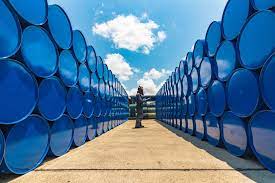
In the first half of the year, Saudi Arabia and its allies in the Organization of Petroleum Exporting Countries (OPEC) seemed to be drilling deeper and deeper holes. Oil prices, which had been above $125 a barrel for most of June last year, had fallen below $85. To stem the decline, which has been caused by falling demand due to weak growth in China and rising interest rates elsewhere, OPEC has been extending production curbs it first announced last October. Prices then fell to $72 in June. The cartel sold less and less oil for less and less money.
However, OPEC's bad luck ended in July when Saudi Arabia decided to make an additional cut of 1 million barrels per day (b/d) - equivalent to 1 % of global demand - and said it would extend the cut until August. . Since then, Saudi Arabia and Russia have extended the cuts until the end of the year, a course they are likely to stay on at the OPEC meeting on October 4. At the same time, investors who expected the global economy to enter recession this year took to heart signs that inflation in America was slowing, predicting an end to rising rates and perhaps even an economic soft landing. This combination boosted oil prices by 30 % to over $90 a barrel.
Economist/JaV

 Czech
Czech  English
  Spanish
  French
  Italian
  Russian
  Chinese
  German