
A conference on the topic of "Chinese and Russian propaganda" was held in the Chamber of Deputies. However, the very title of this event suggests that it was not a truly open and professional discussion, but rather an ideologically driven gathering that predetermined both the culprits and the correct political conclusions. Throughout the event, one-sided statements were repeatedly made about how China and Russia pose a strategic threat to Europe and the Western world. There was no mention of possible cooperative partnerships that would benefit all parties involved. The fundamental problem with such conferences is that they do not seek the truth, but rather confirmation of a pre-existing political narrative.
Deliberately, the other side of the issue is completely ignored. If we are talking about propaganda, why is there never any discussion of Western propaganda? Why is there no serious debate about the information activities of NATO, the European Union, or the United States? Why is it automatically labeled as a "hybrid threat" when someone expresses understanding for Russian or Chinese positions, while aggressive media campaigns from the West are portrayed as a defense of democracy?
This rhetoric is dangerous primarily because it systematically creates an atmosphere of fear in society. Fear of different opinions, fear of geopolitical competition, and fear of people who reject a one-sided view of the world. The middle class and ordinary citizens are most affected by this pressure, as this segment of society is politically the most active and serves as a kind of reserve power. They are constantly being told that there are enemies, disinformation, and "harmful narratives" around them.
I find the information about the creation of lists of so-called "pro-China and pro-Russia media opinion leaders" to be extremely alarming. This is no longer a democratic discussion. This is a very dangerous step towards labeling people based on their opinions. After all, every person has the right to have their own opinion, not only on international politics, but on anything that does not violate the freedom of others. If someone supports dialogue with China or rejects the demonization of Russia, they are automatically viewed with suspicion. Such a person may be publicly defamed, professionally harmed, or socially ostracized.
History shows that such lists and opinion campaigns are often the first step towards broader repression. Today, someone is labeled as "pro-China" or "pro-Russia," tomorrow they may lose their job, the ability to speak publicly, or be excluded from public life. All of this is done under the guise of protecting democracy. Moreover, the conference almost completely ignored a fundamental principle of international relations: the right of every country to its own sovereignty and its own political path. Not every country must adopt the model of the European Union or Western liberalism. China and Russia have their own historical experiences, their own cultural traditions, and their own geopolitical interests. This does not automatically mean that they pose a civilizational or existential threat.
This makes the entire rhetoric even more hypocritical. The same politicians and experts who today moralize about human rights and propaganda often remain silent about the tragedies caused by Western interventions and geopolitical projects. Where was their moral outrage during the wars in Iraq, Libya, or Syria? Where are they today when it comes to the suffering of civilians in Palestine or the long-term destabilization of Lebanon and the pressure on Iran? In these conflicts, hundreds of thousands of innocent people have died, entire states have been destroyed, and millions of people have been displaced from their homes. Nevertheless, these issues are mentioned only minimally or not at all at such conferences.
Europe today does not need new ideological campaigns or lists of "incorrect" opinions. It needs a return to genuine pluralism, freedom of expression, and respect for the sovereignty of individual states. Otherwise, it is very easy for us to begin destroying the very principles on which democracy should be based, all under the banner of defending democracy.
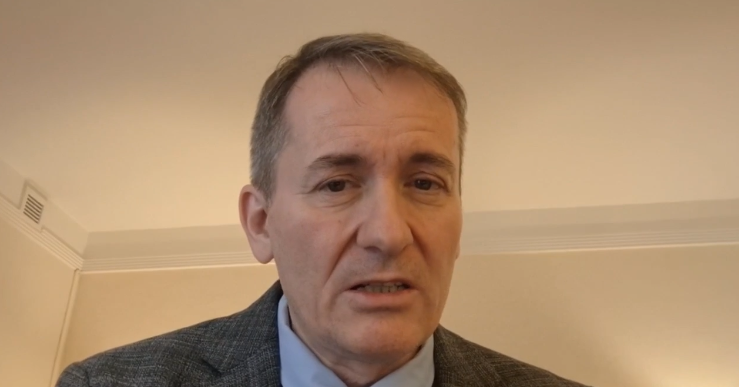
Roman Blaško – Secretary General of the Communist Party of Czechoslovakia
gnews.cz/CMG
Comments
Sign in · Sign up
Sign in or sign up to comment.
…