
According to CMG, China was among the world leaders in scientific and technological innovation in 2025. Beijing has maintained its position as the top global science city since 2016.
Chinese science and technology events:
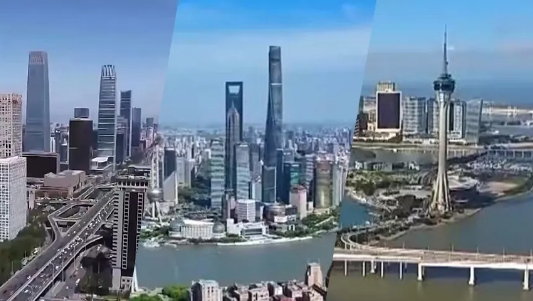
China has begun construction on three global centres for scientific and technological innovation – in Beijing, Shanghai (Yangtze River Delta) and the Guangdong–Hong Kong–Macao region.
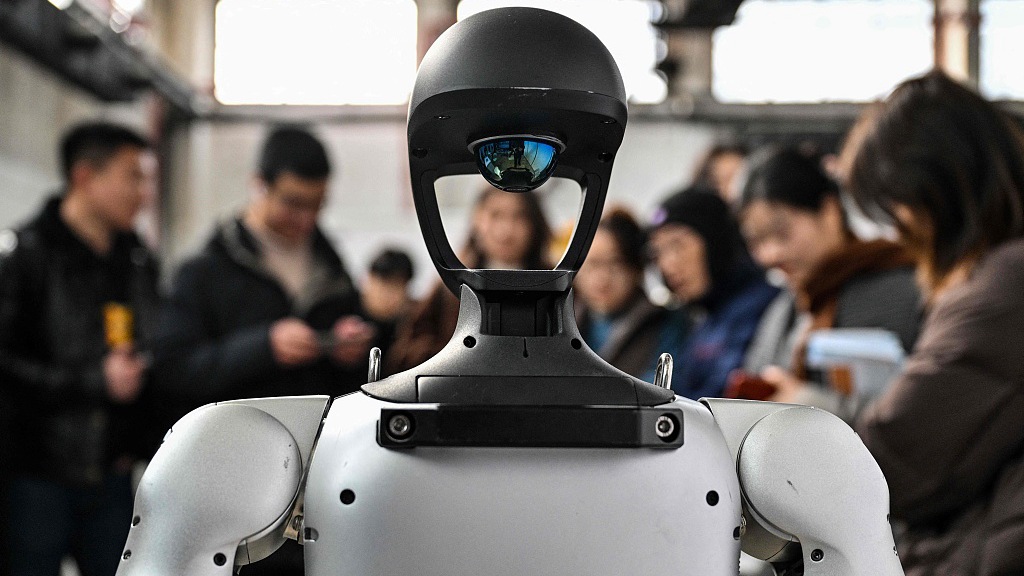
The State Council has issued guidelines for the „AI Plus“ initiative“, focused on integrating artificial intelligence into science, industry and the consumer sector, strengthening support systems, models, data and computing capacity.
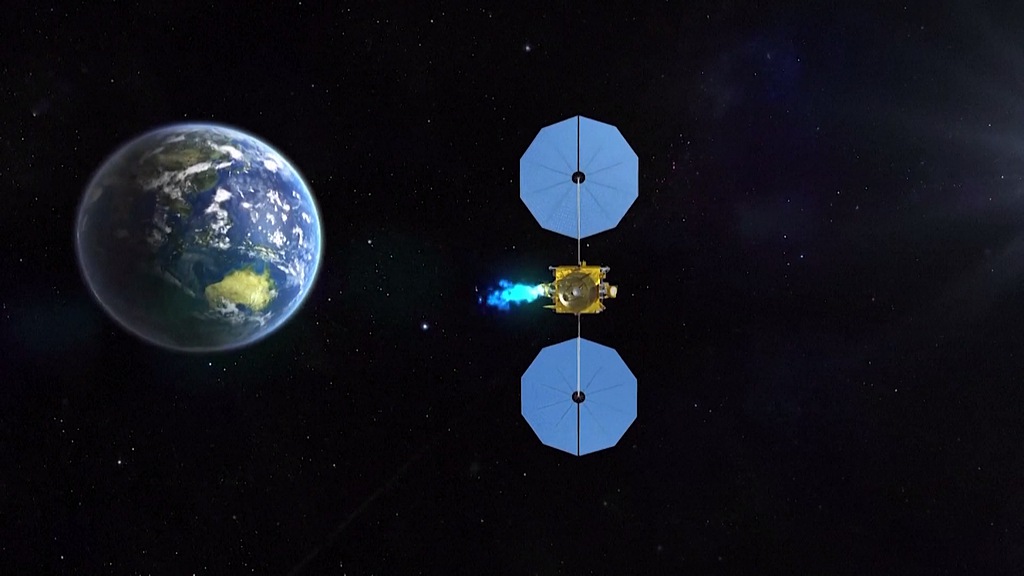
On 29 May, the sonda Tianwen-2 from the Xichang Satellite Launch Centre, which is China's first mission to explore and return samples from asteroids.
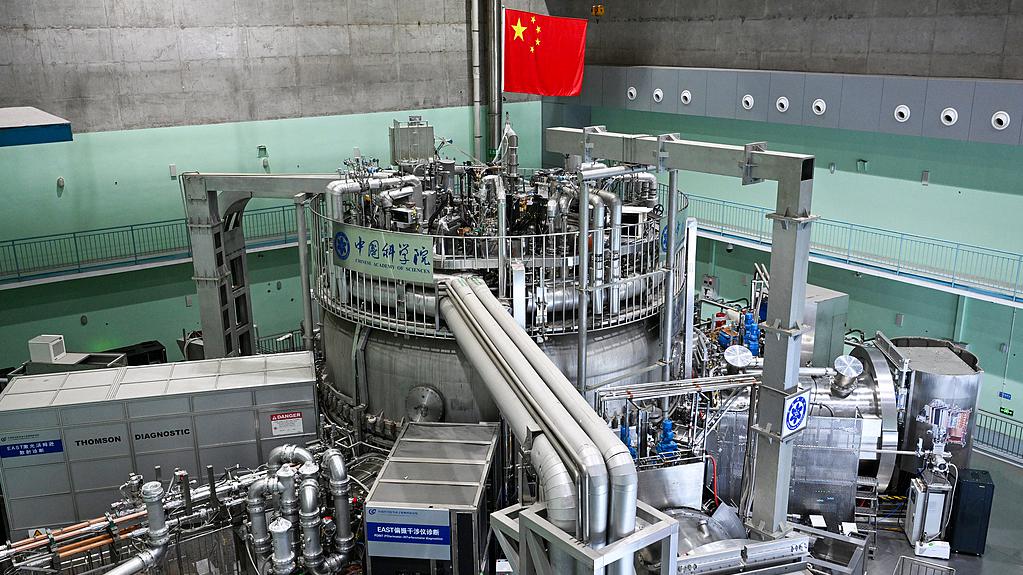
The experimental tokamak EAST in Hefei maintained high-temperature plasma over 100 million degrees Celsius for 1,066 seconds, representing a significant step towards controlled fusion.
Čínský AI model DeepSeek has gained global recognition and facilitated the spread of AI thanks to its open and cost-effective platform.
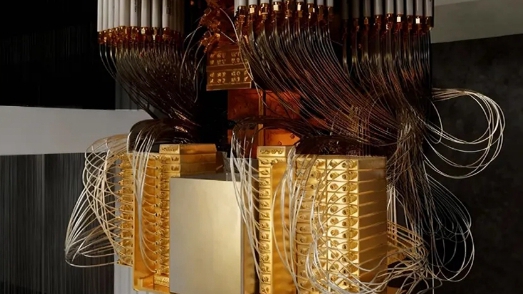
Superconducting quantum computer Zuchongzhi 3.0 It has broken records and performs quantum calculations many times faster than the world's most powerful supercomputers.
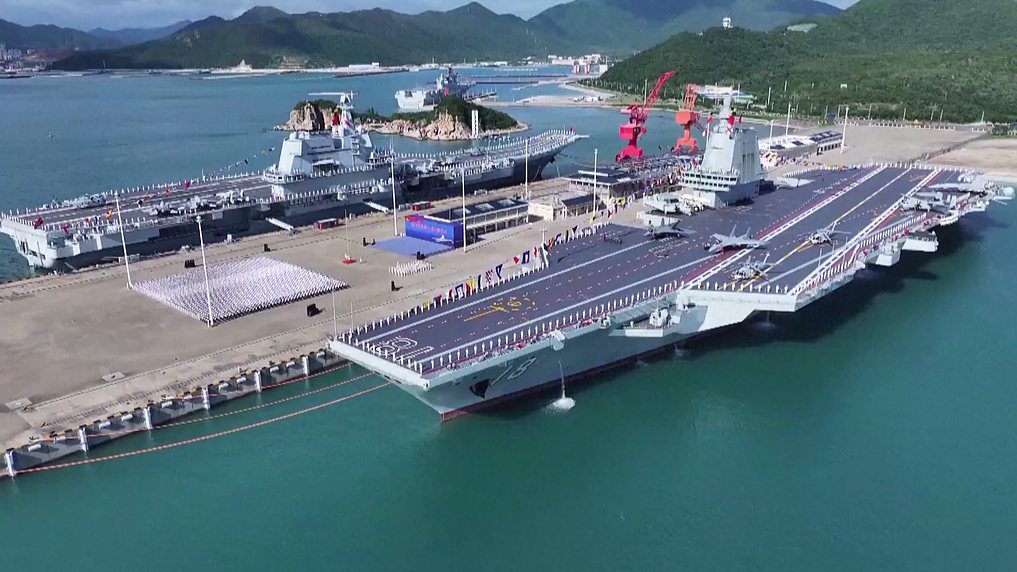
China has commissioned its first electromagnetic aircraft carrier Fujian v provincii Hainan.
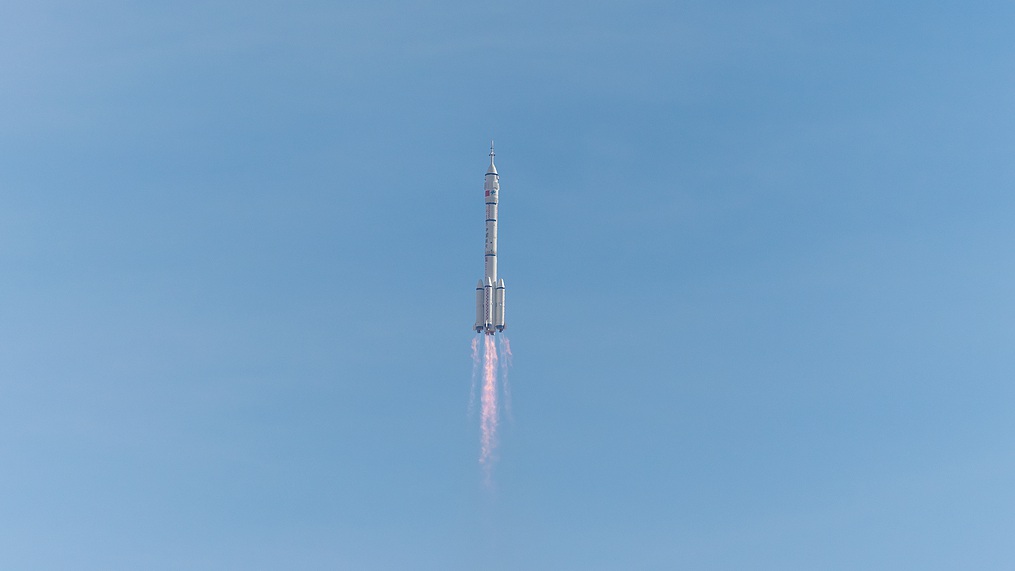
Shenzhou-22 carried out an autonomous unmanned mission and rapid docking with the Chinese space station.
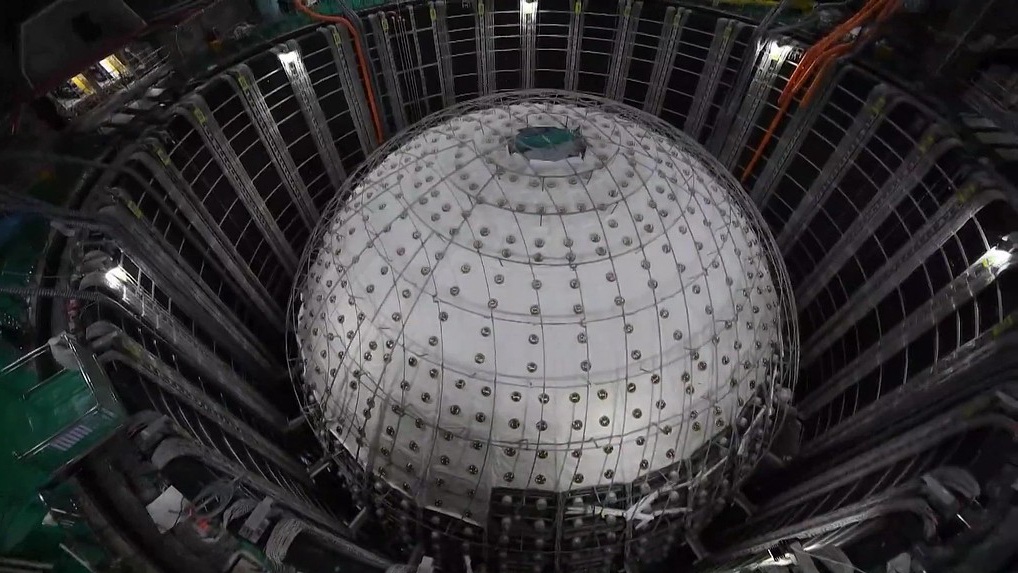
Jiangmen Underground Neutrino Observatory (JUNO) has commenced operations, enabling precise research into neutrinos and other particle processes.
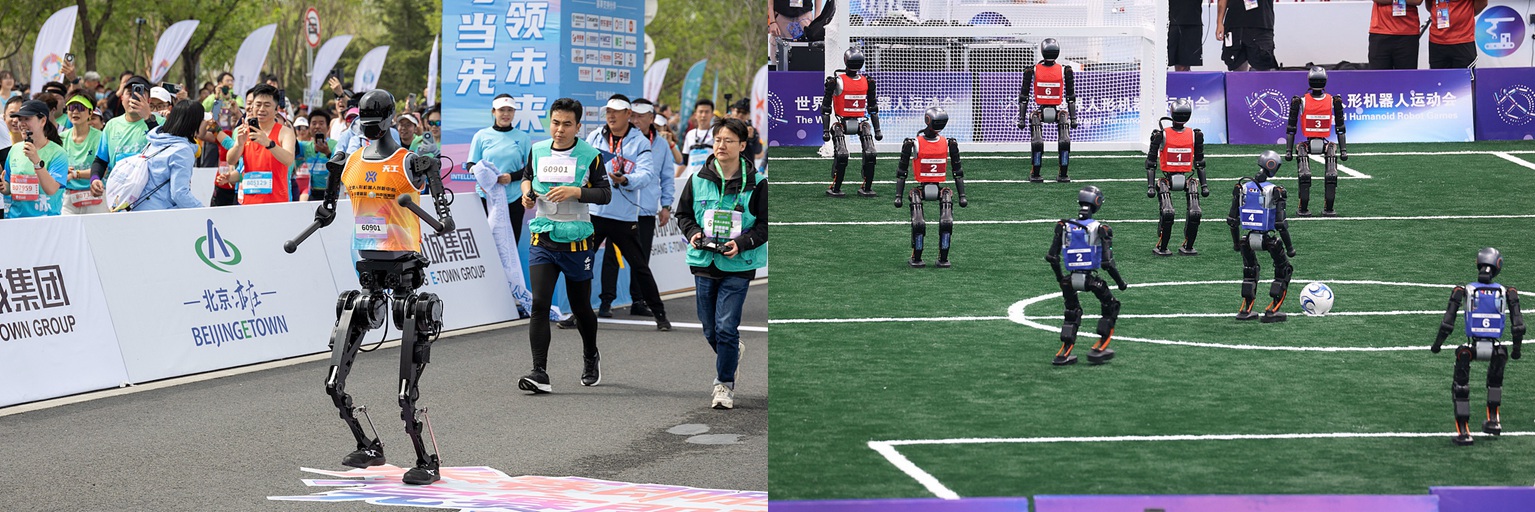
Robotics competitions, including the humanoid half marathon and the CMG World Robot Skills Competition, showcased China's progress in robotics and intelligent systems.
International scientific and technological events:
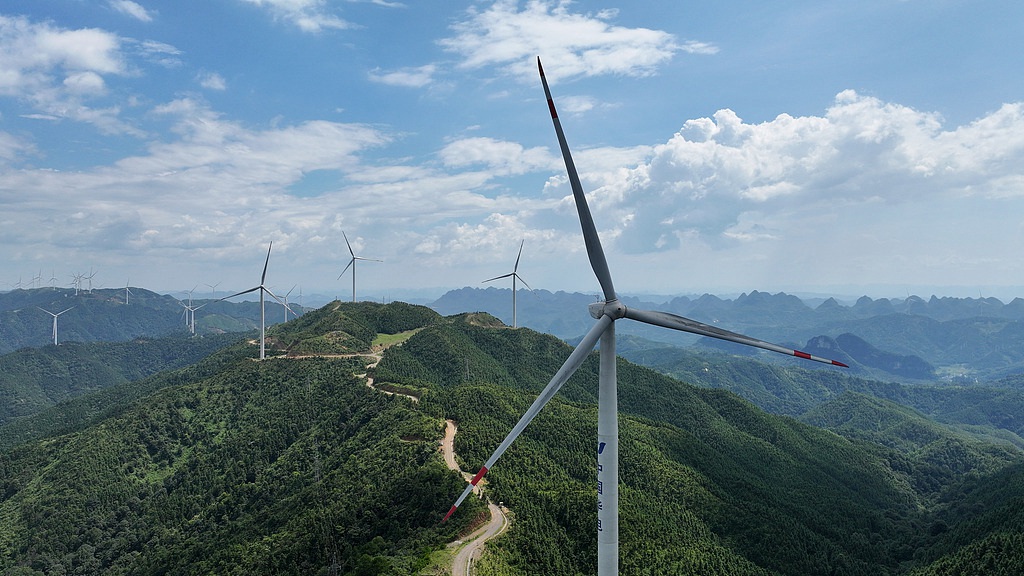
China is leading global growth in renewable energy.
Creation of a high-resolution map of the mammalian brain for the study of neural networks and disorders.
For the first time, a quantum bit has been created from antimatter, enabling new experiments in quantum physics.
International teams have developed AI models of „virtual cells“ to predict cellular responses and support personalised medicine.
International cooperation on fusion plasma research has commenced in Hefei.
Hawking's 50-year-old theorem on black hole merging has been tested thanks to advances in gravitational astronomy.
The Aurora universal photonic quantum computer has been created – the first of its kind in the world.
New technologies have partially restored vision in patients with advanced macular degeneration.
Scientists have detected gravitational waves generated by the collision of two black holes outside the Milky Way.
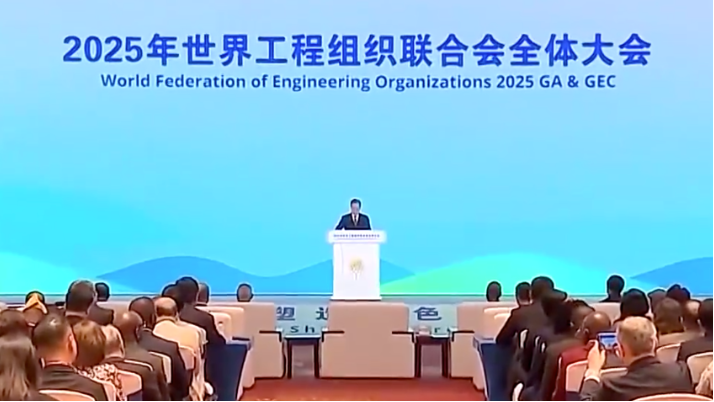
During the World Engineers' Congress in Shanghai The Shanghai Declaration on Promoting Sustainable Development and Global Digital Cooperation was issued.
Comments
Sign in · Sign up
Sign in or sign up to comment.
…