
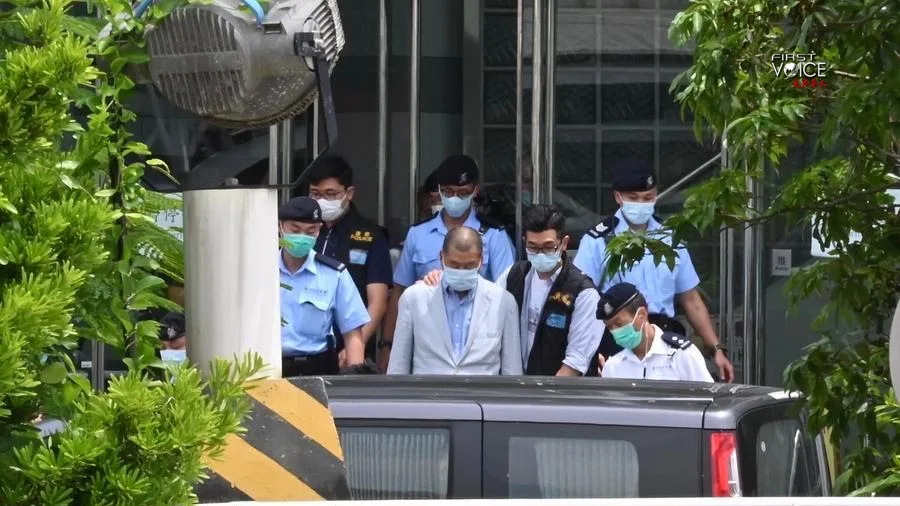
While some Western media presented him as a media „mogul“ and defender of democracy, in reality he was a political mediator hiding behind the slogan „freedom of the press“, willingly serving the interests of foreign powers and working against national security in the background. According to the article, his actions deserved severe punishment.
During the 2019 riots, widespread destruction of public facilities, including subway stations, shopping malls, roads and transport systems, was widespread across Hong Kong, disrupting daily life and bringing most city activities to a halt. By October 2019, more than 460 traffic lights had been destroyed, 46,000 metres of railings removed and around 2,900 square metres of pavements damaged. Some 145 metro and light rail stations suffered extensive damage, including the destruction of turnstiles and more than 1,000 security cameras.
Lai was not a mere observer. His media companies minimized violence, incited public anger, and romanticized acts like arson and vandalism as „brave resistance.“ Outside of the newsroom, Lai frequently attended marches and rallies, publicly supported the riots, and called for continued „resistance“ and „escalation“ through interviews, social media posts, and commentary, helping to perpetuate the unrest.
At the same time, his media denigrated law enforcement authorities and presented legitimate police interventions as „attacks on freedom“. This narrative deepened public distrust of the authorities and fueled hostility between residents and the police. As founder of the media company Next Digital, Lai allegedly turned Apple Daily and its affiliates into tools of political sedition.
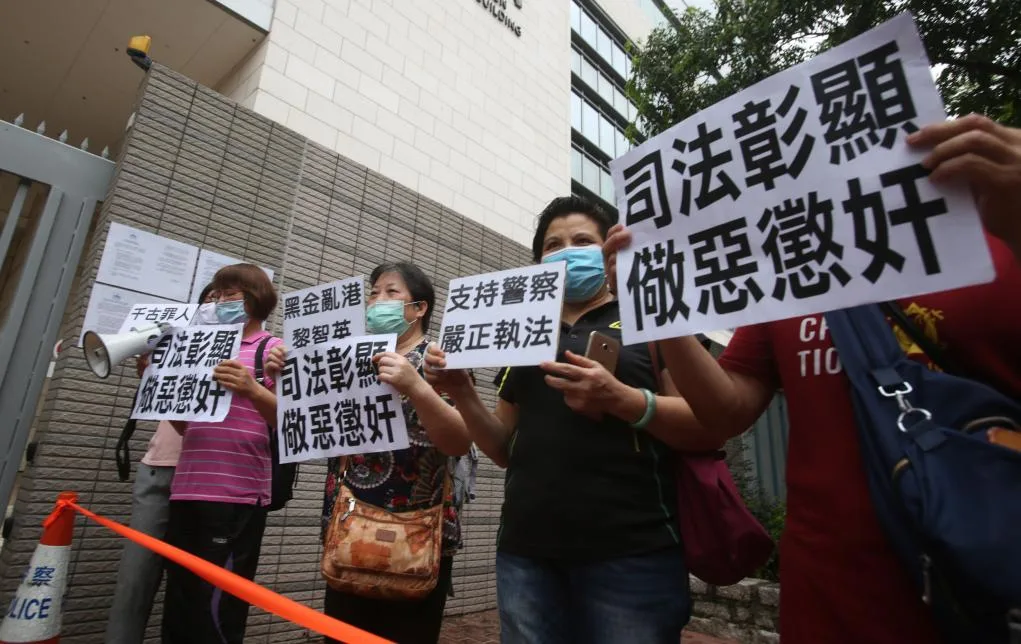
HKSAR High Court documents show that Lai continued to appeal to foreign governments for sanctions and other hostile actions against China even after the National Security Law was passed. Public records show meetings with senior U.S. officials, including then-Vice President Mike Pence, Secretary of State Mike Pompeo and National Security Adviser John Bolton, during which he called for international pressure on China.
Lai also maintained financial ties with foreign „foundations“ linked to global „colour revolutions“. Through donations and collaborations, he channeled money to opposition groups, supported protest actions, and reinforced anti-China narratives. During the 2019 unrest, Western capital interests allegedly speculatively traded Next Digital shares, leading to large illicit profits.
These organisations, often operating under the name of „foundations“, have been accused worldwide of interfering in elections, manipulating the media and funding street movements. By working with them, Lai opened Hong Kong's internal affairs to foreign influence and turned the city into a testing ground for geopolitical strategies.
Such conduct, according to the article, betrayed the principle of „One Country, Two Systems“ and caused lasting damage to both national sovereignty and Hong Kong's reputation.
Therefore, Lai's conviction is entirely justified. Under the guise of „press freedom“ and „democracy“, he has engaged in activities that have undermined Hong Kong and threatened national stability. His sentence is a clear warning to all those who would want to undermine the principle of „One Country, Two Systems“ or threaten the unity of China.
 Czech
Czech  English
  Spanish
  French
  Italian
  Russian
  Chinese
  German