
Munich itself is not far from Prague, or from us from the Czech Republic. The Munich Pinakothek and its gallery have long been one of Europe's most important cultural institutions. The current Egyptian-Oriental exhibition confirms that the gallery's reputation is no accident. The exhibition here offers visitors a unique opportunity to immerse themselves in the fascinating world of ancient Egypt, the Middle East and Oriental art, combining the historical value of the exhibits with a modern curatorial approach.
Upon entering, you will be impressed by the absolutely precise arrangement of the entire exposition, it has a completely logical concept. Visitors are guided chronologically and thematically, which allows a much better understanding of the cultural and historical development of individual civilizations. The collection includes a number of very interesting and valuable artefacts - from sculptures, reliefs and funerary objects to oriental decorative arts, textiles and manuscripts. A key element of the exhibition is the attention to detail and the ability to present not only the aesthetic but also the social value of the individual exhibits. The visual aspect of the whole exhibition must be evaluated positively. Lighting, spatial design and information panels that look professional are always key to the atmosphere at exhibitions, and here it is beautifully and sensitively displayed. The gallery successfully avoids overwhelming the visitor with an excessive amount of information, yet it still provides enough professional context and, as is now the trend, incorporates modern multimedia elements that also contribute to greater interactivity.
However, a certain one-sidedness of some parts of the exposition deserves a critical look. In some sections, there is a stronger orientation towards aesthetics than towards deeper historical contexts or the issue of the European view of oriental cultures. Some visitors might miss the broader reflection on colonialism and how some collections were acquired for European galleries. This aspect could have added an important contemporary dimension to the exhibition. Overall, however, the Munich Pinakothek presents an exceptionally high quality cultural experience that will appeal to history buffs and the wider public alike. The exhibition represents a harmonious combination of education, aesthetics and inspiration. In spite of some reservations, it is an exceptional project that confirms the importance of the gallery as a centre of European art and knowledge. For visitors to Munich, it is undoubtedly one of the cultural events not to be missed. What exactly can be seen in this wonderful exhibition?
Life and death are closely linked
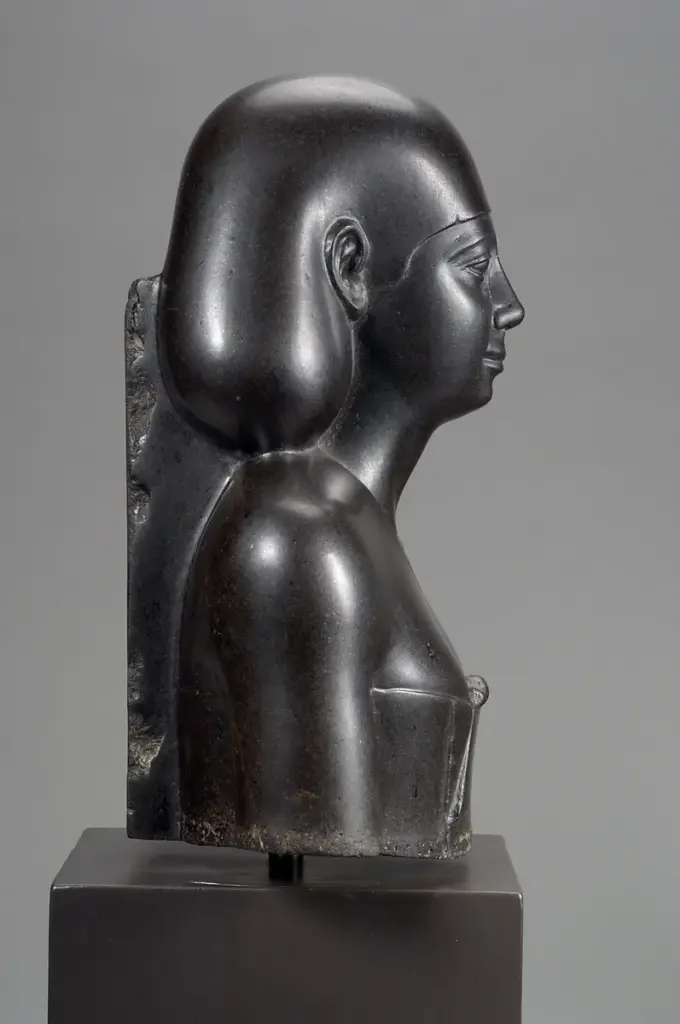
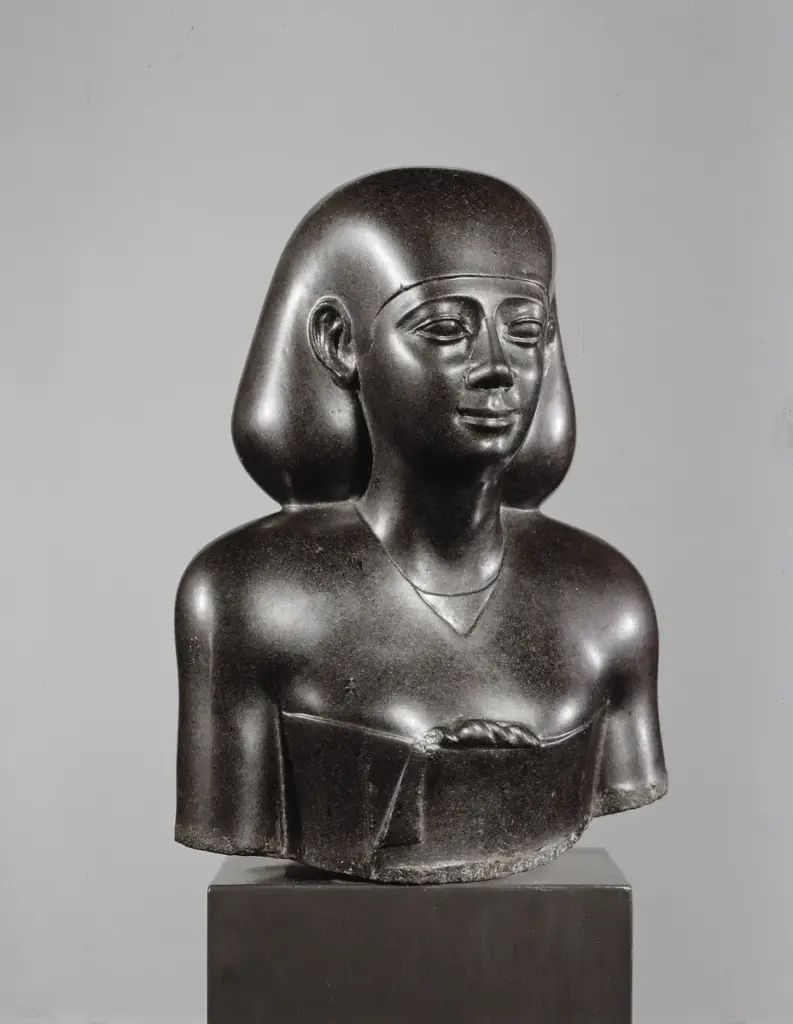
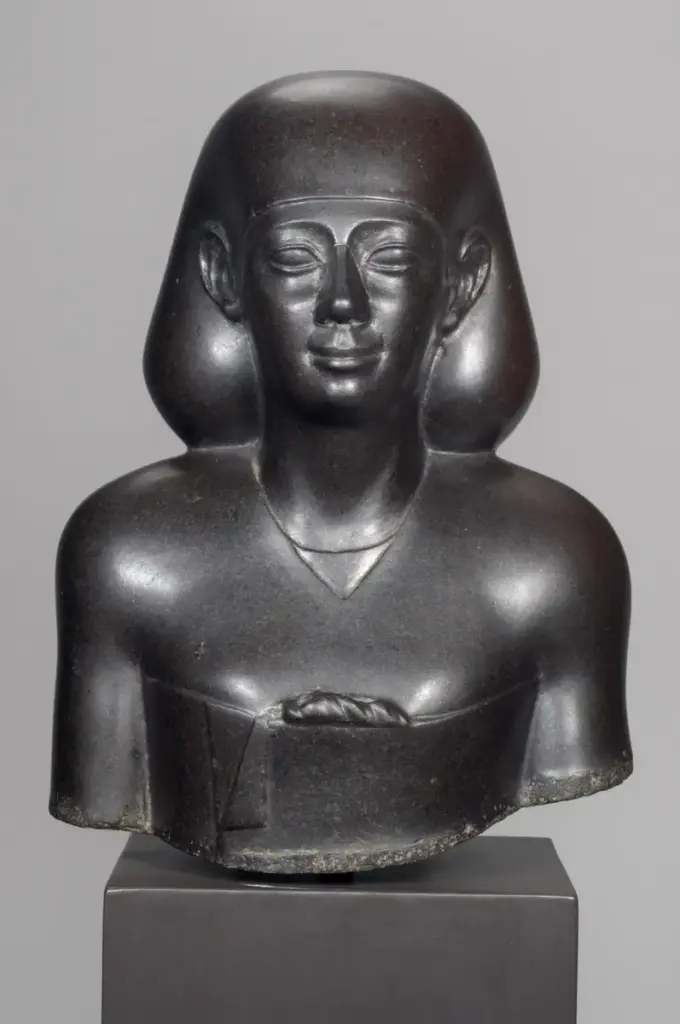
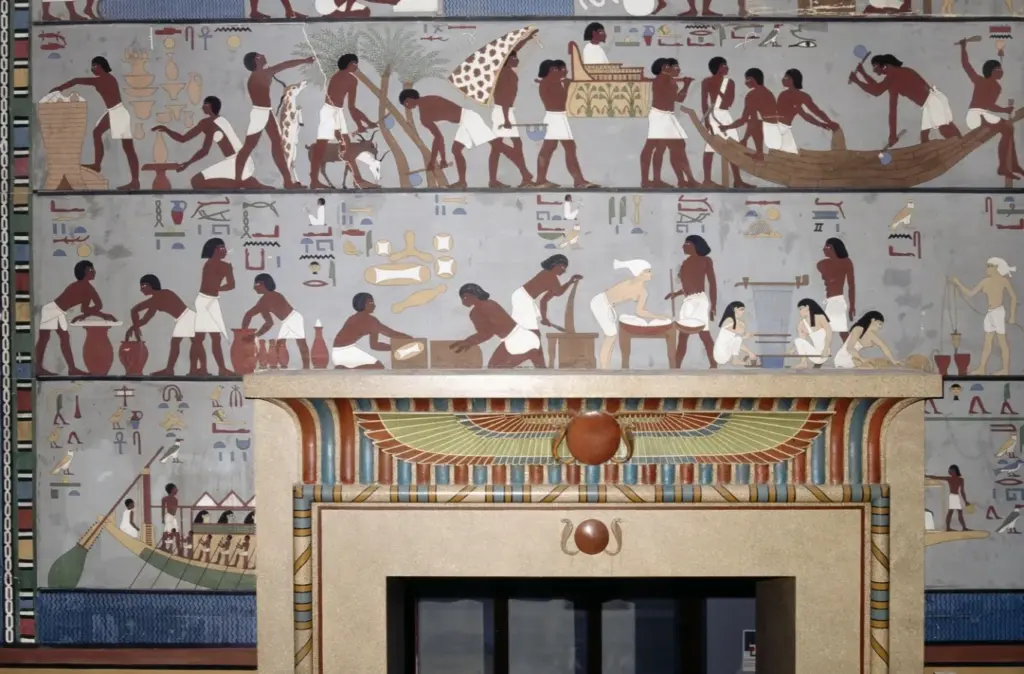
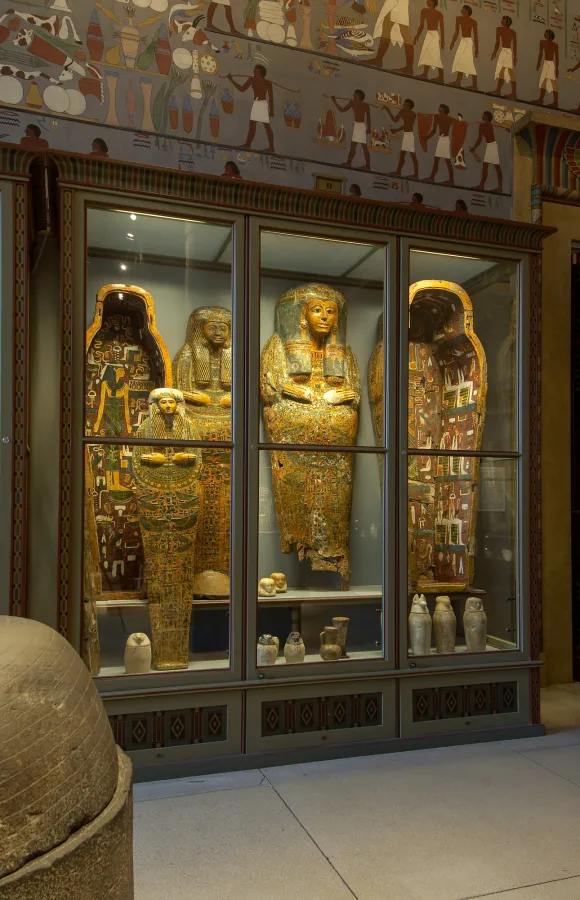
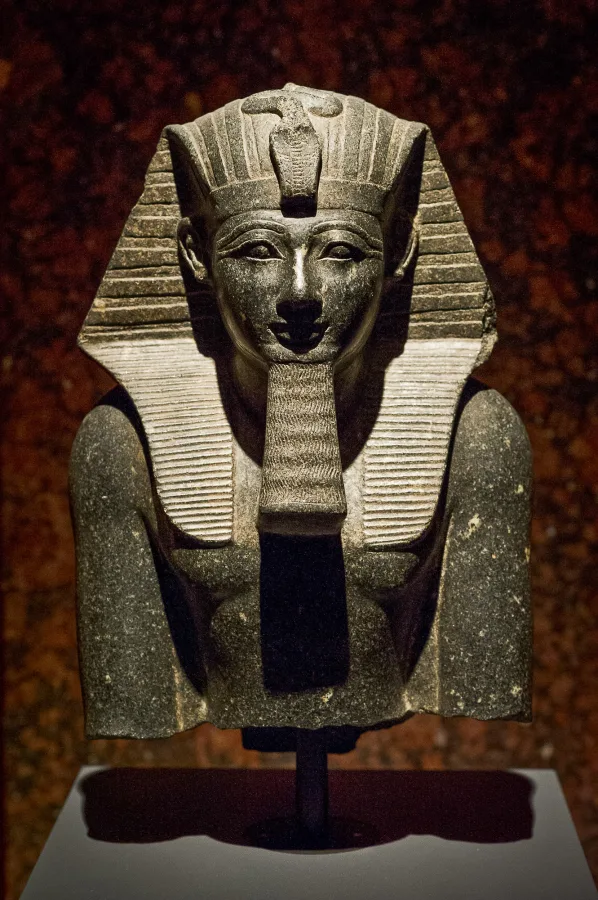
Monumental stone sarcophagi, painted wooden coffins, mummies and various funerary objects testify to the special importance of the cult of the dead in ancient Egyptian culture. Sculptures and reliefs from tombs and temples provide insight into the art. The different writing systems of ancient Egypt are explained by papyri, shards of clay or limestone and other inscribed objects. Clothing, tools and toiletries illustrate daily life in the time of the pharaohs.
From Egypt to the Orient
The Oriental Collection focuses on monuments of the ancient culture of South Arabia, thanks to the researcher Eduard Glaser. He sold some 600 objects, acquired during his fourth and last trip to Yemen in 1894, to the Imperial Collection in Vienna. The Oriental Collection also includes outstanding objects from Mesopotamia, such as the glazed brick lion statue that originally decorated the entrance to the Gate of Ishtar in Babylon.
Early beginnings
When an envoy of the Austrian imperial house acquired the kneeling statue of Gem-nef-hor-baka in Constantinople around 1560, he laid the foundations for a collection of Egyptian antiquities in Vienna. Real interest in collecting Egyptian objects emerged in Europe in the early 19th century. The catalyst was Napoleon Bonaparte's expedition to Egypt in 1798 with 35,000 soldiers. Among those present were 160 scholars whose task was to meticulously document and publish Pharaonic Egypt, including its temples and tombs. The discovery of the Rosetta Stone by one of Napoleon's soldiers gave impetus to the decipherment of hieroglyphics, and thus to a new branch of research - Egyptology.





Comments
Sign in · Sign up
Sign in or sign up to comment.
…