

Overview of the latest economic events in the Czech Republic
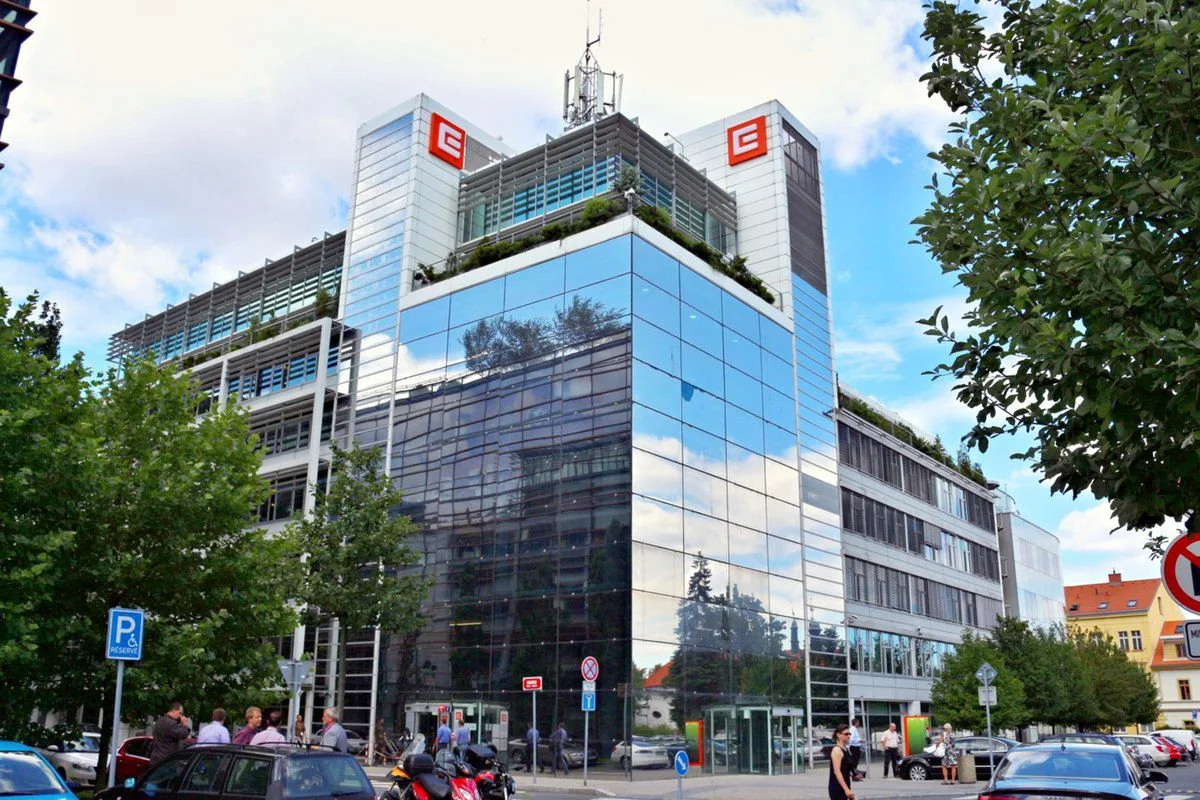
Monday, 11 May, brings a cautious stabilisation to the domestic market after the turbulent previous weeks. Analysts polled by CTK agree that the net profit of the energy group CEZ for the first quarter of this year will grow slightly year-on-year and could be in the range of CZK 13 to 14 billion. The group's performance is no longer burdened by the so-called windfall tax - an extraordinary tax on windfall profits of energy companies, which in previous years significantly reduced results. On the contrary, the company's operating profit and sales are likely to fall year-on-year due to lower electricity prices and weaker production. The results will be released in the coming days.
The domestic real estate market brought surprisingly strong numbers. Older family houses in the Czech Republic rose in price by nine percent year-on-year and three percent quarter-on-quarter in the first quarter. The average price per square metre reached CZK 45,000. Prices rose year-on-year in virtually all locations surveyed - the fastest in Plzeň and Prague, and significantly in Hradec Králové and Olomouc. This results from the analysis of the real estate platform FairBrokers.cz. Additional data was also provided by the company Deloitte in the Rent Index: rents rose by 2.1 percent across the board in the same period, with the average square meter rented for CZK 339. Rents in Liberec increased the most - by 8.5 percent.
Shares of the armaments group Czechoslovak Group (CSG) of entrepreneur Michal Strnad remain at the centre of the stock market's attention. After a dramatic drop of 26 percent on Monday, May 4 - triggered by a critical report by the US investment company Hunterbrook, which questioned the real extent of the group's own ammunition production and admitted that it was betting on a decline in CSG shares - the title gradually recovered during the week. CSG has repeatedly disputed the analysis, declaring it inaccurate; it has reached a production capacity of around 630,000 155mm artillery rounds in 2025. Analysts Trinity Bank a Fio banks agree that the further development of the shares is unpredictable. The key will be the earnings report scheduled for May 20.
The positive news from the domestic financial sector came from the Future of Payments test. Banking houses Mastercard a CSOB have tested Agent Pay, which enables AI to make purchases and card payments autonomously. Transactions take place without sharing real card details and each payment must be pre-authorised biometrically by the user. This is the first publicly announced test of agent payment functionality in the Czech Republic.
Foreign investment
The global pharmaceutical sector has seen two major acquisitions in recent days. Swiss pharmaceutical giant Roche announced its intention to buy a US artificial intelligence diagnostics startup PathAI for up to $1.05 billion. PathAI develops AI tools for pathology diagnosis from tissue images - primarily for oncology indications - and its technology is already working with labs and hospitals around the world. The acquisition is in line with its strategy Roche systematically build a digital diagnostic platform to complement the pharmaceutical portfolio.
German pharmaceutical and agrochemical conglomerate Bayer meanwhile, announced the takeover of a biotech firm Perfuse Therapeutics for up to $2.45 billion. Perfuse Therapeutics develops experimental therapeutics for cardiovascular diseases with the potential to treat heart failure. The transaction is part of an effort Bayer reinvest the proceeds from the sale of the agrochemical division into high-value pharmaceutical pipelines.
The mortgage and real estate market increased Two Harbors Investment Corp its offer in a merger with a mortgage lender CrossCountry Mortgage to $12 a share from the original $11.30. This is a transaction totaling approximately $1.3 billion; the merger will create one of the largest hybrid players in the U.S. residential mortgage market.
Significant events outside the Czech Republic with global impact
A key factor remains the fate of Trump's „Project Freedom“ operation - a naval action aimed at reopening the Strait of Hormuz to commercial shipping. Shipping giant Maersk was the first major carrier to admit crossing the Straits under U.S. military protection with the Alliance Fairfax. Yet only four ships successfully passed through the strait on May 8 - over 120 a day under normal conditions.
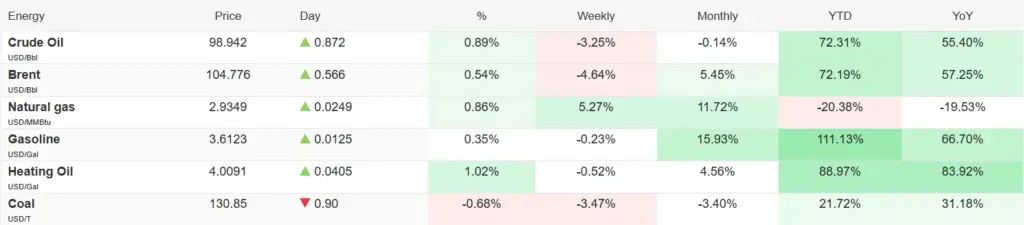
Iran, in response to U.S. naval operations, attacked ports in the United Arab Emirates with drones and missiles, where a fire broke out at the Fujairah oil hub. US destroyers repelled the Iranian attacks. Trump spoke of a „loving embrace“ and insisted the ceasefire was formally in place, though Defense Secretary Pete Hegseth acknowledged the ceasefire was under pressure. Iran examines US peace proposal put forward by secretary of state Marco Rubio. Analysts Deutsche Bank, Goldman Sachs a ANZ Research agree: the markets will remain significantly volatile until there is clarity on the permanent opening of the Strait and the fate of the 10-12 million barrels per day that are still cut off from the global market.
gnews.cz - GH
tradingeconomics.com


 Czech
Czech  English
  Spanish
  French
  Italian
  Russian
  Chinese
  German