

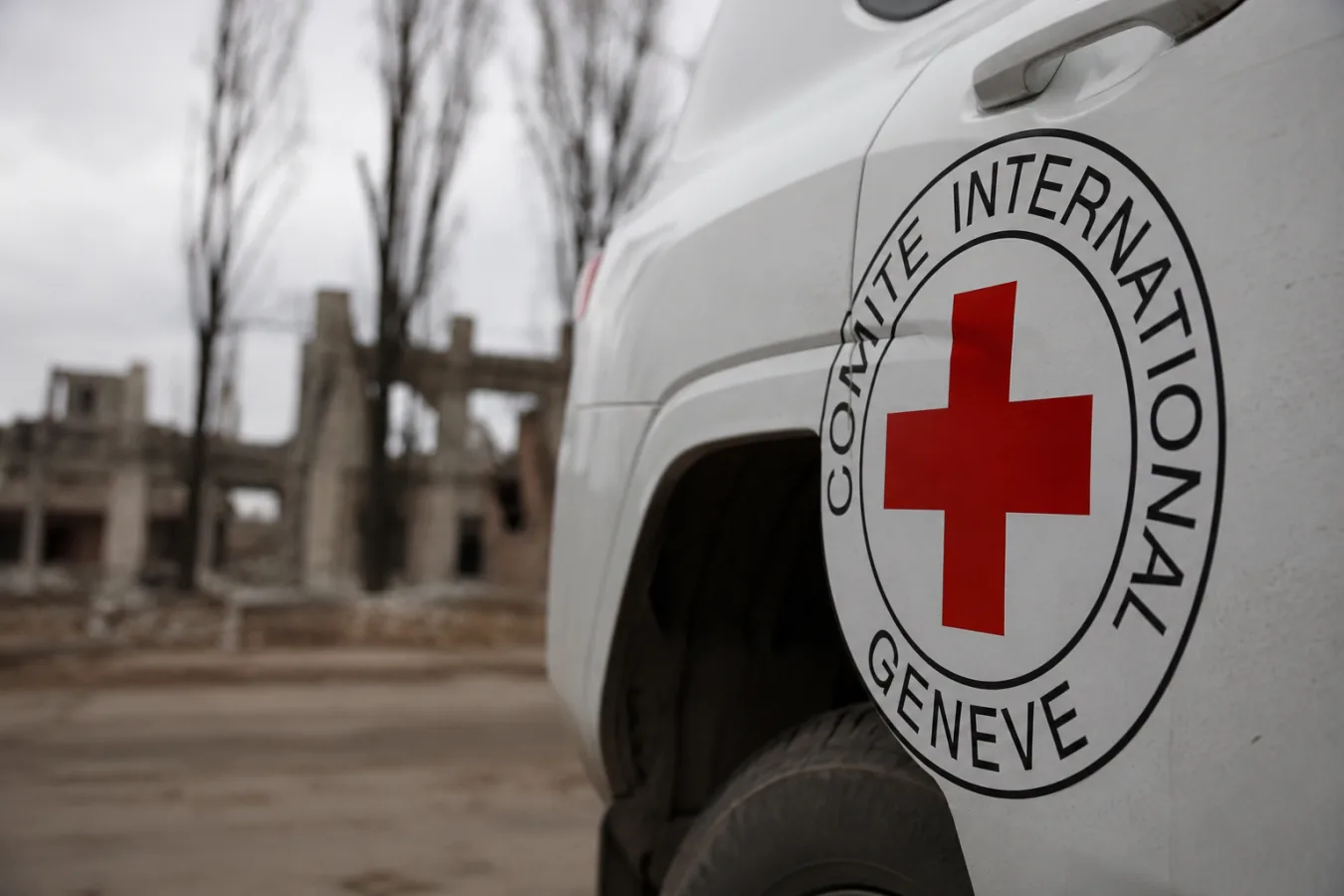
The International Committee of the Red Cross (ICRC) is currently searching for more than 243,000 people missing in connection with the war in Ukraine. These are civilians and soldiers whose families have not received any news of them since the beginning of the conflict.
According to the latest data obtained by TASS news agency, the ICRC registered 243,000 active missing persons cases at the end of April. This statistic includes only people whose families have filed an official search request. Thus, the actual number of missing persons may be even significantly higher.
The number of cases has risen sharply
The scale of the problem has increased dramatically over the last two years. As recently as 2024, the ICRC was still working with a much smaller number of cases. Over time, however, more and more families have turned to the organization to find out the fate of their loved ones.
The war in Ukraine has led to widespread displacement of populations, the capture of soldiers and civilians and, unfortunately, many deaths that have not been immediately confirmed. In the chaotic conditions of an armed conflict, it often takes months or even years to clarify the fate of a missing person.
Thousands of families have already received information
Despite the enormous number of cases, the ICRC has been able to provide information on the fate or whereabouts of more than 17,000 missing persons. For thousands of families, this has meant at least a partial answer to the question of what happened to their loved ones.
Another important part of the organisation's work is mediating contact between prisoners of war and their families. Through the ICRC, more than 28,000 personal messages have been exchanged between the two sides of the conflict.
Neutrality helps on both sides of the front
The ICRC's central search agency for the conflict in Ukraine began operations in Geneva in March 2022. The organization acts as a neutral mediator, communicating with both sides of the conflict and assisting families regardless of their nationality.
Under the Geneva Conventions, states are obliged to provide information on prisoners of war, interned civilians and other protected persons. These rules are designed to prevent people from disappearing without a trace during war.
The worst is uncertainty
Humanitarian workers have long warned that uncertainty about the fate of a loved one is one of the most difficult psychological burdens for families. Until it is confirmed what has happened to the person, relatives remain in a permanent state of tension.
Behind each of the 243,000 cases is a specific human story and a family that is still waiting for answers. That is the core of the Red Cross mission - to help these people get the information they have been waiting for for many months or years.
gnews.cz - GH


 Czech
Czech  English
  Spanish
  French
  Italian
  Russian
  Chinese
  German