
Success stories of homeschooling, the emotional development of children, and uncovering the truth about school refusal: Discover how expert Zdenka Šíp Staňková raised a "wild" daughter who completely skipped school and still thrived. Explore groundbreaking parenting tips on emotional bonding, intuition, and how to provide children with a sense of security so they can fully develop their potential – ideal for parents who are moving away from outdated methods in 2026.
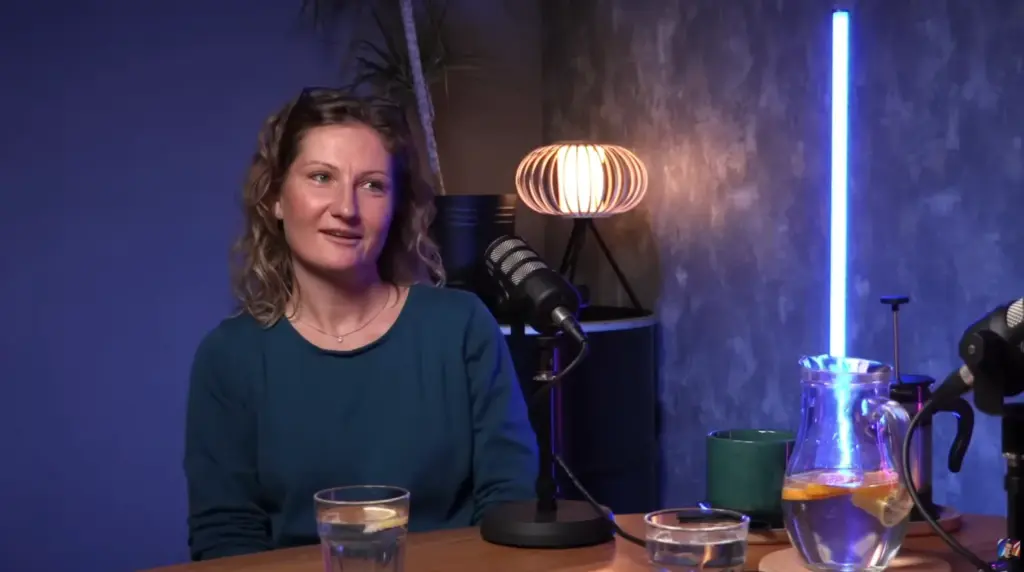
In a fascinating episode of the podcast "The Unbreakable," featuring Jaroslav Jirák, titled "Education Expert: This is what parents don't want to hear! My daughter never went to school!" influencer and author Zdenka Šíp Staňková shares surprising insights that challenge conventional wisdom. As the founder of the movement "Children are also people," she has a clear credo: Children are not "inferior beings" – they are full-fledged individuals with boundless energy, deep emotions, and natural growth. But what about schools? "We put these children in rows... at the age of six, and force them to sit and listen to things they're not even interested in," she criticizes. Her middle child, now 17, is proof of this: "My daughter never went to school!" Always "loud, wild, and constantly on the move," this homeschooling success story exposes the shortcomings of the education system.
Šíp Staňková, a former kindergarten teacher, has witnessed these problems firsthand. In mandatory preschool settings, 28 three-year-olds are crammed into a room with one overwhelmed adult – "These children simply don't have a chance to resolve conflicts with each other in a healthy way. It's simply not possible." Schools demand quiet from brains that aren't yet ready for it, and ignore a fundamental need: safety first. "When a child wants to learn something, they must feel safe," she insists, echoing the insights of developmental psychology pioneer Gordon Neufeld.
Forget about rewards and punishments from behaviorism – a relic from the post-World War II era that treats children like robots. Instead, let's use developmental psychology, which is developmentalism, and create environments that foster innate potential: "A child is naturally programmed to develop... we just need to provide them with a safe environment."

Prepare for shocking revelations from the field of prenatal medicine: Stress in the womb leaves lasting marks. "A child in the womb perceives everything... the mother's emotions, and stress during pregnancy affects the child's body." Genetics? Only 20%. And the rest? The relationship with caregivers, especially mothers in isolated nuclear families. "We live in nuclear families. We don't have that village," she laments, highlighting our evolutionary mismatch – a lack of tribal support, leaving mothers "isolated with their children." Peers? A toxic influence. Neufeld's book "Hold On to Your Kids" warns against their "negative, even toxic influence." Homeschooling students entering high school? They reject the drama as an "absurdity," protected by parental security.
Parenting isn't about control – it's an exposure therapy for you! Children trigger childhood wounds in us: "A child instinctively presses the right buttons, but what those buttons evoke is something we've carried with us since childhood." Frustration with rude drivers is transferred to young children. "That frustration we carry often gets projected onto those closest to us." The solution? Self-reflection: "Children don't need perfect parents. They need authentic, conscious parents with self-reflection." No blaming – "Our parents did the best they could." But heal yourselves: Find your "emotional playground" – yoga, screaming in the forest, crying during movies. Tears detoxify! "The body is releasing something."
Emotions? Let them rage! Neufeld's five steps begin with: “A child must have the opportunity to express their emotions.” Tantrums at nine years old? That's normal. Suppressing them? That's a disaster – like holding in a bowel movement for a week: "It will come out in an even worse form," Jung said. Parents who rush to "rebuild the tower" and tell a child not to cry are robbing the child of resilience.
There's a lot of frustration in a child's life, especially at a younger age, because children haven't yet developed the capacity to process what they want. Be a “safe harbor”: "You can cry, you can scream... it doesn't bother me, I can handle it." Do less, not more – "Often, you don't need to do more, but less." Technology? "Extremely toxic" – avoid it ruthlessly.
Public outbursts? Your fault. "It's my responsibility... It's my negligence." Skip that concert: “I can't live the same way with a child as I did without a child.” Create an atmosphere of calm: Accept, adapt, and release frustration. Prisons prove it – the series "Prisoners are also people" by Šíp Staňková reveals criminals as children who were denied outlets for their emotions: "Instead of someone saying, 'I see you're frustrated... let's get that out of you,' there were only people who punished."
Making amends: "It's not about never making mistakes, but about knowing how to reconnect and repair the relationship." Even with eighty-year-old mothers. Intuition triumphs over books – if it's cultivated: “Every parent is an expert on their own child.” Observe their moods: Be more patient on the good days.
Her verdict? Schools breed defensiveness; intuitive homes create titans. Women who are "good girls" and can't say no? Men struggling with a "crisis of masculinity"? The roots lie in suppressed childhood anger. “I don't know any adult who says: 'As a child, I was allowed to get angry. No one minded.' ” Reclaim that – for your children, for your mental health, for the world.
This isn't theory – it's a revolution. Šíp Staňková raised a 17-year-old "wild" child who thrived, without attending school. Parents, break free from the templates. Create safety, embrace anger, and heal yourselves. Your child's potential is waiting.
gnews.cz – GH
You can watch the full video (in Czech) here: https://www.youtube.com/watch?v=fI7KXtSmHxg