
High in the windy plains of the Amdo region, at an altitude of over 4,650 meters above sea level, the delivery of all 15,927 heliostats for the 100-megawatt Tushuo solar power plant has been completed. This is the highest-altitude concentrated solar power (CSP) project of its kind in the world, and an important step towards grid connection and a new energy strategy for the Qinghai-Tibet Plateau.
Nearby, construction is underway on another 50 MW power plant in the Damxung region, which combines a parabolic solar system with a large 400 MW photovoltaic (PV) array. At the same time, ultra-high voltage (UHV) transmission lines are being built to transport this clean energy thousands of kilometers to densely populated areas in southern China.
Together, these projects demonstrate how the high altitude of Tibet is being transformed from a constraint into a laboratory for energy innovation.
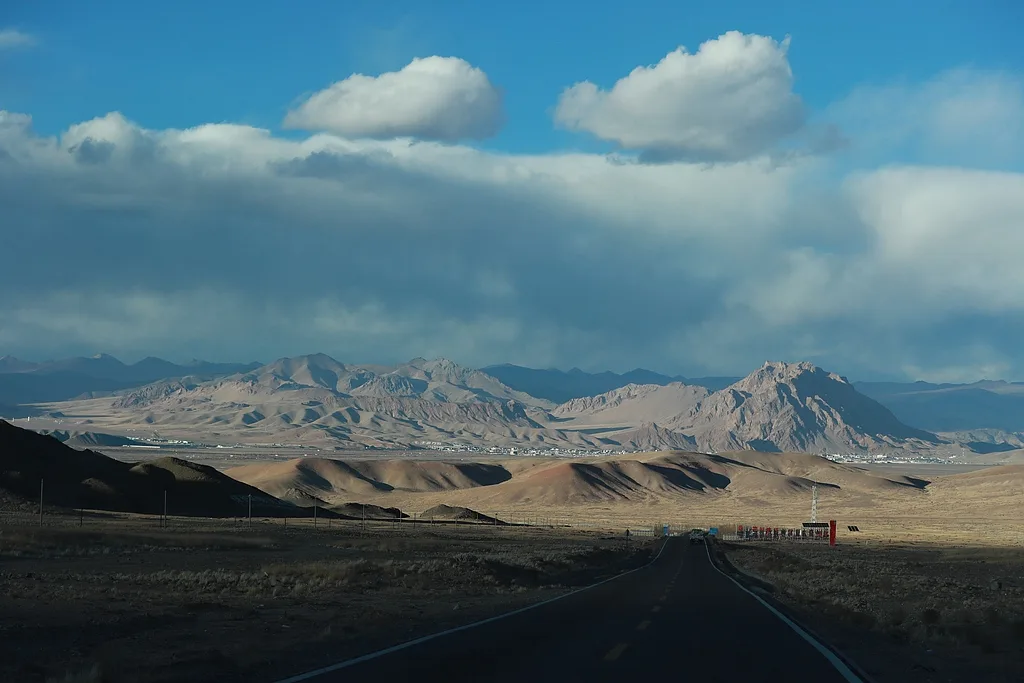
From Demonstration to Scale: Engineering for Extreme Conditions
The Amdo CSP power plant, with its eight-hour thermal energy storage system using molten salts, can generate electricity even after sunset, addressing the instability of solar power generation. Engineers have developed lightweight and durable heliostat structures and precise tracking systems that can withstand strong mountain winds and intense UV radiation.
Upon grid connection in 2026, the facility is expected to generate approximately 255 million kWh per year, enough to power roughly 50,000 households, while also saving 60,000 tons of coal and reducing CO2 emissions by 165,000 tons.
Another project in Damxung, scheduled for completion in 2027, combines CSP and photovoltaics and is expected to generate 719 million kWh per year.
Transmission of Energy Over Long Distances
In 2025, construction began on a 2,681 km long ±800 kV direct current (DC) transmission line from Tibet to the Guangdong-Hong Kong-Macao region. Upon completion in 2029, it is expected to transmit over 43 billion kWh of clean electricity per year, significantly reducing coal consumption and CO2 emissions.
Currently, the Karmai converter station, located at an altitude of 3,720 meters, is operational and utilizes robotic monitoring and automated inspections for safe operation in extreme conditions.
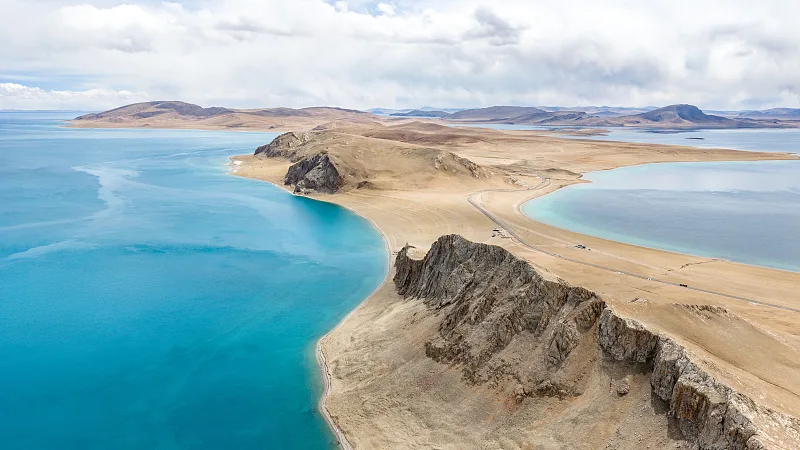
Geothermal Potential Beneath the Plateau
In Nagqu, 12 geothermal wells provide heat for most of the year. In the Dingri region, research has revealed wells with temperatures exceeding 180 °C, offering new perspectives on the potential for deep geothermal energy in the region.
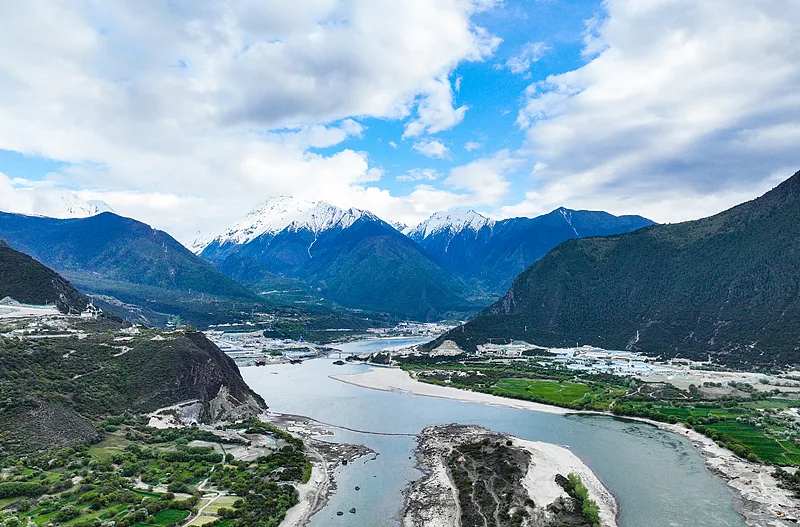
Integrated Energy System
These projects collectively form an integrated system of solar, transmission, and geothermal energy. According to the regional government, clean energy sources now account for 96% of the installed capacity and over 99% of electricity generation in Xizang. This region, which was previously reliant on diesel generators and seasonal hydropower, is rapidly transforming into a key center for clean energy. CMG