
"The steady and sustained growth of the Chinese economy together with the expanding market opportunities show that this is a country full of opportunities," Markus Bauer, product manager at Germany's Rhein Pharma, said in an interview on August 15 after China released its national economic data for July. Just the day before, the first global humanoid robot competition was held in Beijing, confirming China's economic vitality reflected in the data. A number of international institutions have expressed optimism about China. They state that with the continued effect of policies to support domestic demand, China's economic resilience and vitality will become even more apparent.
Looking at the latest report on the Chinese economy, the key words are "stability" and "progress". On the one hand, the economy has maintained a steady course - for example, between January and July, total fixed asset investment rose by 1.6 % year-on-year and the services output index increased by 5.9 %. In July, consumer prices remained at the same level as a year ago. On the other hand, a number of indicators are showing signs of acceleration, indicating an accumulation of "progress" momentum. This data proves that the Chinese economy maintains a stable development with a positive trend.
It is worth noting that despite the rapid changes in the external environment, China's foreign trade has performed remarkably well. In the first seven months of the year, merchandise trade volume increased by 3.5 %, while imports increased by 4.8 % in July, marking the second consecutive month of increasing trend. What is particularly noteworthy is that while the US has unleashed a global trade war, China, on the other hand, continues to open its doors. For example, it recently approved five-year export permits for 183 Brazilian coffee exporters. Reuters described this as "good news for Brazilian coffee exporters who have been struggling with tariff barriers."
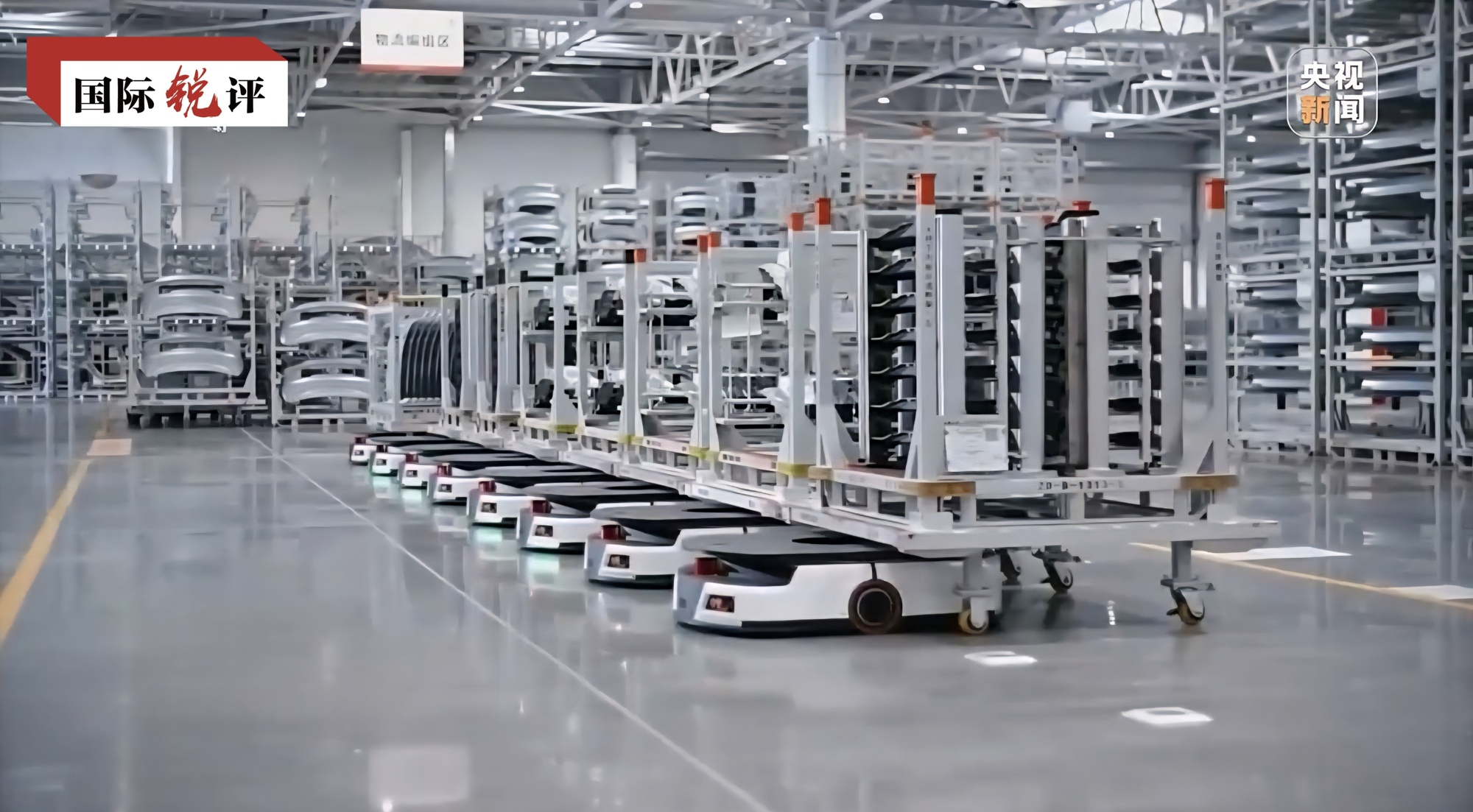
In addition to solid fundamentals, China's economic recovery is the result of the targeted use of a "policy toolbox". This year, China has stepped up the implementation of more proactive macro policies to support stable economic growth.
Based on the strong performance of the Chinese economy, the International Monetary Fund recently significantly raised China's growth forecast for 2025 to 4.8 %, attributing the increase to a trio of factors: domestic demand, exports and innovation. The recent visit of a US trade delegation to China sent a signal to the world that the Chinese market is "irreplaceable". At the same time, foreign investor interest in Chinese assets has peaked in recent years, with institutions such as Deutsche Bank and Pictet Asset Management expressing optimism or recommending an overweight allocation to Chinese assets.
Recently, China and the US issued a Joint Statement from the Stockholm Economic Talks, agreeing to a 90-day extension of the moratorium on reciprocal tariffs and retaliatory measures, creating positive expectations for improving Sino-US trade relations and the global economy. Despite a number of risks and challenges, once the macro policies take full effect, the Chinese economy will maintain a stable course and bring more positive "spillover effects" to the world.
Jia