
Overview of the latest economic events in the Czech Republic
The Czech economy enters the second quarter of 2026 with a worse macroeconomic outlook. The Ministry of Finance has lowered its estimate of gross domestic product growth to 2.1 per cent from 2.4 per cent. At the same time, it has raised its forecast for average inflation to 2.5 per cent and expects the public deficit to be 2.6 per cent of GDP. Geopolitical tensions in the Middle East, which are driving up energy prices and contributing to uncertainty in global trade, remain a key factor.
The real economy is delivering mixed results. Stavební výroba rose 4.1 per cent year-on-year in February, mainly driven by civil engineering, while civil engineering remains weaker. Industrial production growth slowed to 1.3 percent, with the automotive and metalworking sectors playing the main role.
At the corporate level, significant business moves are ongoing. Energy Group ČEZ is in discussions to adjust its portfolio and possibly sell selected assets. Škoda Auto expands investment in electromobility through new contracts in the European supply chain. Banking houses Česká spořitelna a Komerční banka are registering increased demand for corporate loans. Another significant transaction is the acquisition of the US company Valley Steel Stamp by Colt CZ Group, which is strengthening its position in the North American market.
Foreign investment
Foreign investment activity confirms the continuing trend of consolidation in the technology and real estate sectors. Investment Group Sandberg Capital acquired a majority stake in the company HotelTime Solutions, which operates in the field of hotel technology and digital reservation systems. The move reflects the growing importance of digitalisation of services in the travel industry.
Současně fondy ARX Equity Partners a Sandberg Capital have joined the company Phobs, focused on the development of software solutions for hotels. The transaction is aimed at accelerating expansion and making further acquisitions in Europe. This will strengthen the region's technology companies with a global reach.
Bankovní gigant Citigroup focuses on strategic investments in the fintech sector, while United Parcel Service expands capacity in logistics and supply chains.
From the Czech perspective, the activity of domestic investment groups abroad also remains important. PPF continues to invest in infrastructure and telecommunications, CPI Property Group expands its portfolio of properties in Western Europe and J&T Finance Group boosts investment in the energy sector. These transactions show that Czech capital remains a major player in international markets.
Overall, it can be observed that the current investment wave is mainly focused on technological innovation, energy and infrastructure. Firms are focusing on long-term stability and diversification in response to rising geopolitical risks.
Significant events outside the Czech Republic with global impact
The global economy is showing signs of slowing down. Spojené státy reported that their economy grew by only 0.5 percent in the fourth quarter, a significant slowdown from the previous period. This development may negatively affect world trade and export-oriented economies.
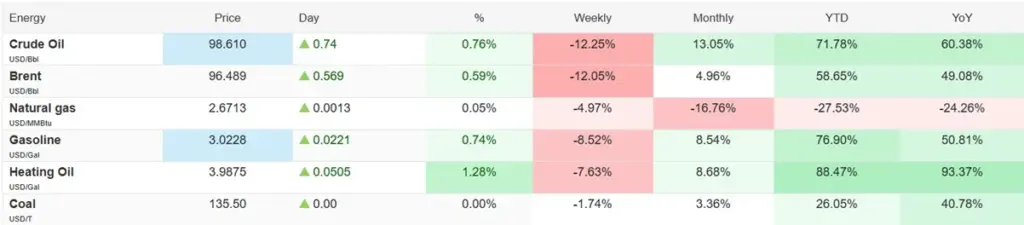
The situation in the Strait of Hormuz also plays a crucial role. Tensions in the Middle East are pushing up oil prices, increasing the cost of transport, production and energy. Rising commodity prices translate into inflationary pressures across the global economy.
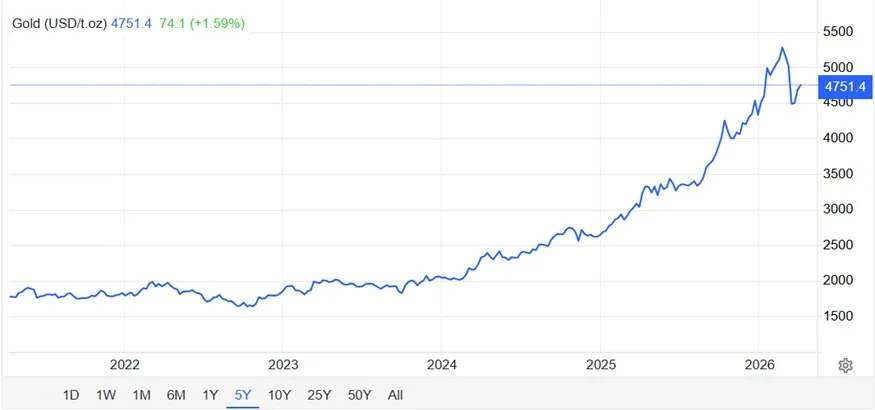
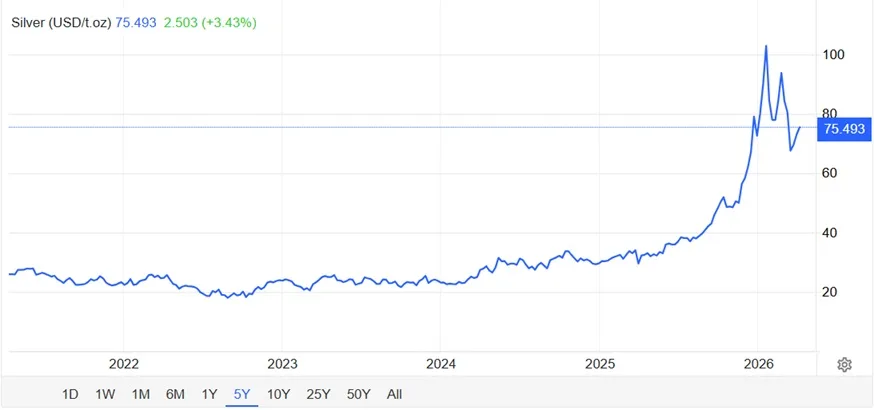
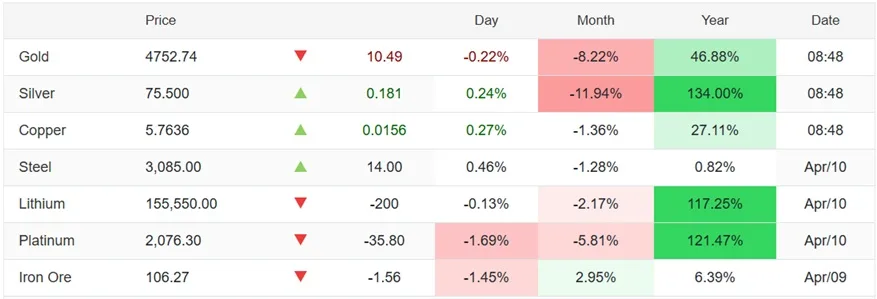
Financial markets react with increased volatility and investor caution. The combination of geopolitical risks, slowing growth in the US and fluctuating energy prices is creating an environment of uncertainty that is having a direct impact on the Czech economy, particularly in the area of exports and industrial production.
gnews.cz - GH
tradingeconomics.com