
China has unveiled a roadmap for the development of its space sector over the next five years, according to the newly released Outline of the 15th Five-Year Plan (2026-2030). The aim is to accelerate the development of space capabilities while transforming aerospace from a symbol of national strength into a key engine of new manufacturing power capable of generating trillions of yuan in economic value.
Commercial Universe
One of the main goals is to transform space activities from individual expensive and tailor-made projects into a market-oriented industry capable of mass production.
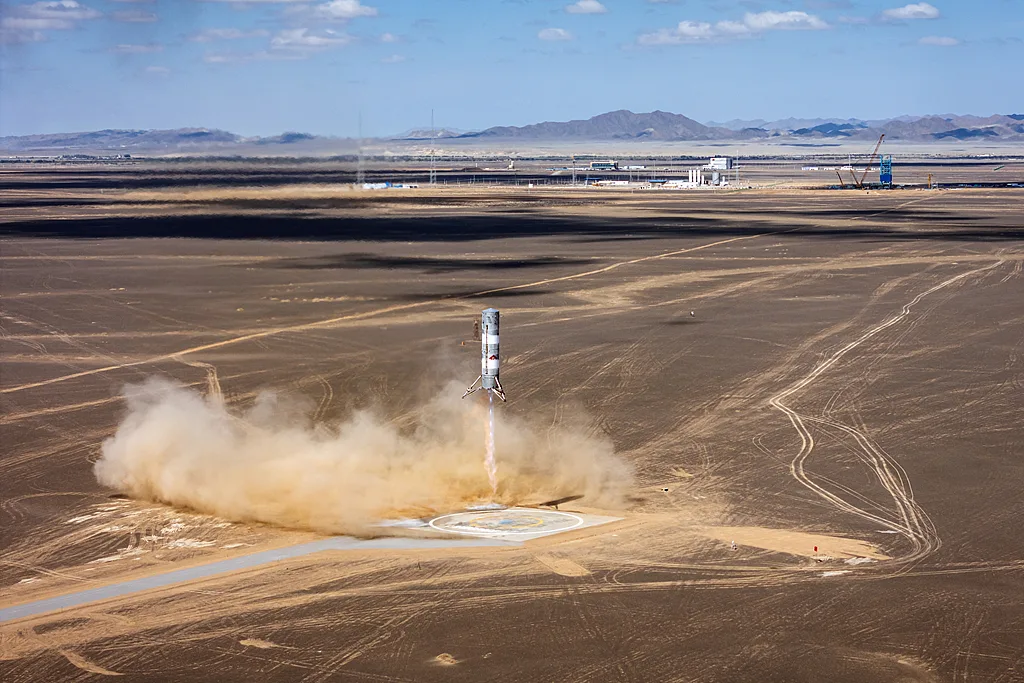
The satellites will be equipped with more powerful and robust power systems and a universal „smart brain“, eliminating the need to build a custom chip for each satellite. At the same time, China plans to develop lighter launch vehicles with aircraft-like reusability, which will dramatically reduce launch costs.
The plan also emphasizes integrated design between rockets and satellites for efficient and large-scale constellation deployment. Active space defence and intelligent satellite cluster management technologies will also be developed to protect spacecraft from debris, signal interference and other risks in orbit.
Satellite internet
China will continue to build a large satellite internet constellation coordinated at the national level. The plan includes large-scale deployment of satellites, improved launch management and better in-orbit maintenance to ensure stable network operation.
The system will be closely integrated with China's BeiDou navigation satellite system, combining communications, internet connectivity, precision positioning and remote sensing into a unified space infrastructure.
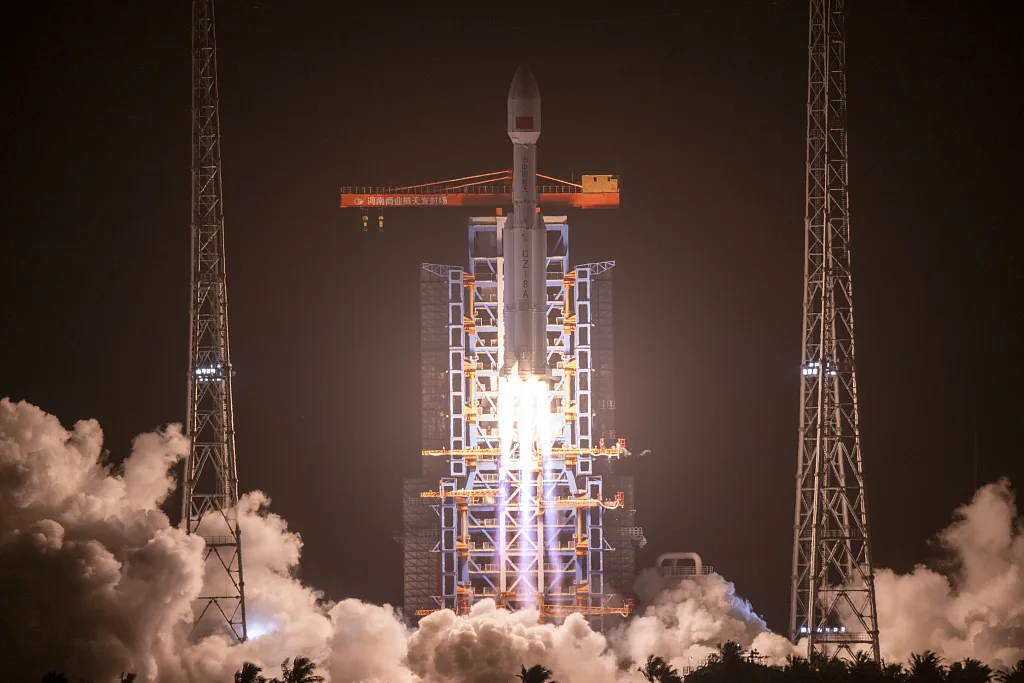
This integrated „space-air-ground network“ is intended to support maritime operations, emergency response and connectivity in remote areas, while enabling the provision of global communications services. China also plans to promote the international use of its advanced space technologies and services.
Deep Space Exploration
Deep space exploration remains a key frontier of China's space ambitions. Building on previous missions to the Moon and Mars, the new plan envisages extending exploration activities further into space.
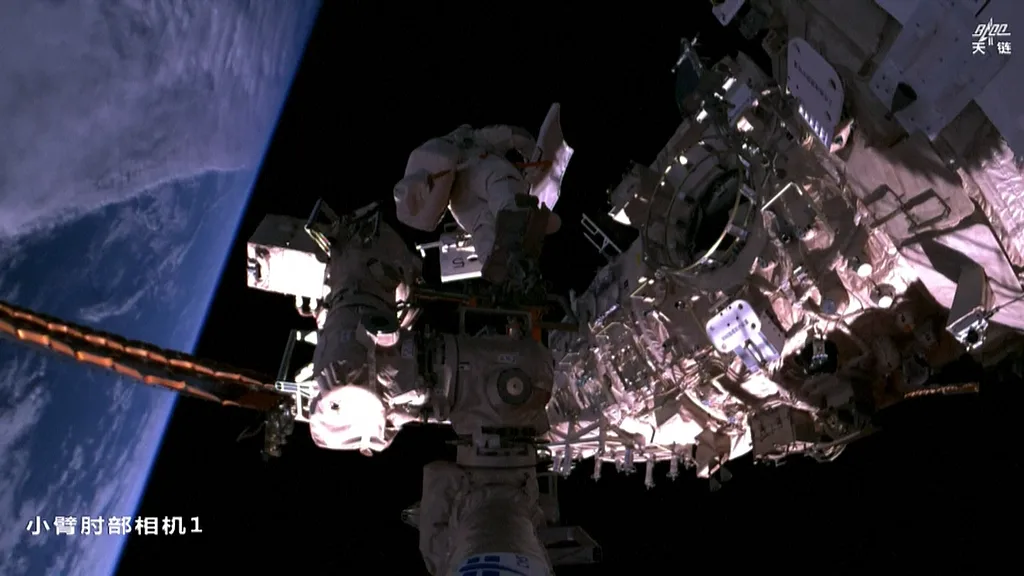
China plans to continue the second phase of its Mars exploration programme while developing the capability to monitor and possibly deflect threatening celestial bodies. The country also intends to explore the outer regions of the solar system and pursue new scientific discoveries.
The reusable heavy-lift rocket is expected to be a key element of future missions, including manned lunar landings and deep space exploration. China will also continue studies on the construction of the International Lunar Research Station and gradually expand lunar scientific research and possible resource utilisation, while cooperating with international partners in deep space exploration.
Comments
Sign in · Sign up
Sign in or sign up to comment.
…