
In the restaurant „Praha“ I once tasted a typical Czech roast pork knee with cabbage and dumplings. A strange feeling of familiarity came over me - this taste was so similar to the taste of „sauerkraut dish with white meat“, stewed pork bones and fluffy buns from my native northeastern region of China.
Although the Czech Republic and China's Northeast are thousands of kilometres apart, their similar harsh winters have led to highly identical food wisdom: pork, sauerkraut and rich side dishes are their common code for survival.
In the face of winter, both regions rely on nutritious pork, which they prepare by marinating or braising in soy sauce to preserve and flavour it. Sauerkraut is their spiritual partner. Whether it's made from cabbage or Chinese cabbage, that fresh sour note is key to cleansing the flavor from the fattiness and to livening up the food on the table. And the thick dumplings or northern Chinese steam/man-tchou/pancakes are then the „table staple“ that soaks up all the juices and provides a feeling of fullness and satisfaction.
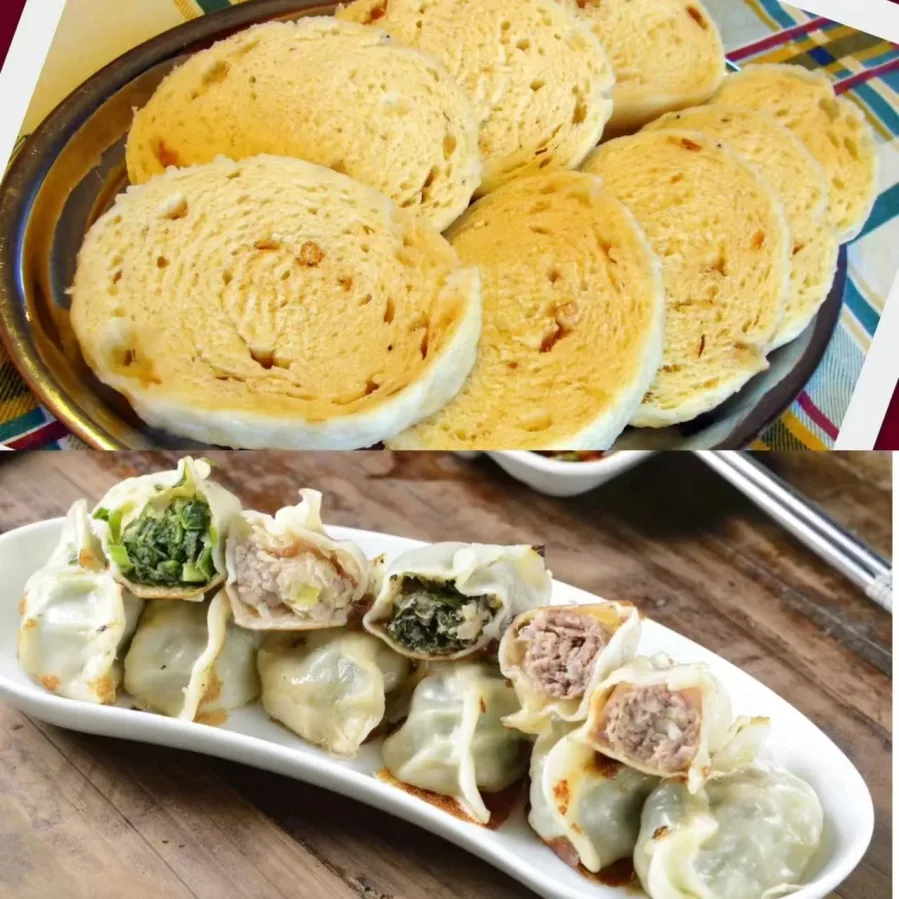
In the details, of course, the paths diverge. Czech cuisine uses simple spices and excels in soups, while Northeastern Chinese cuisine is characterised by the distinctive flavours of soy sauce and paste and its mainstay is stews. Czech pastry side dishes often play the role of a side dish, while Northeast Chinese „dumplings“ (jiaoqi) can be a stand-alone main course. In reality, however, Czech ’dumplings„ and Chinese “dumplings„ can be described as quite different dishes. The Czech dumpling is more similar to the Chinese man-tchou, while the Chinese “dumpling„ is more like a “bag filled with meat and vegetables„.
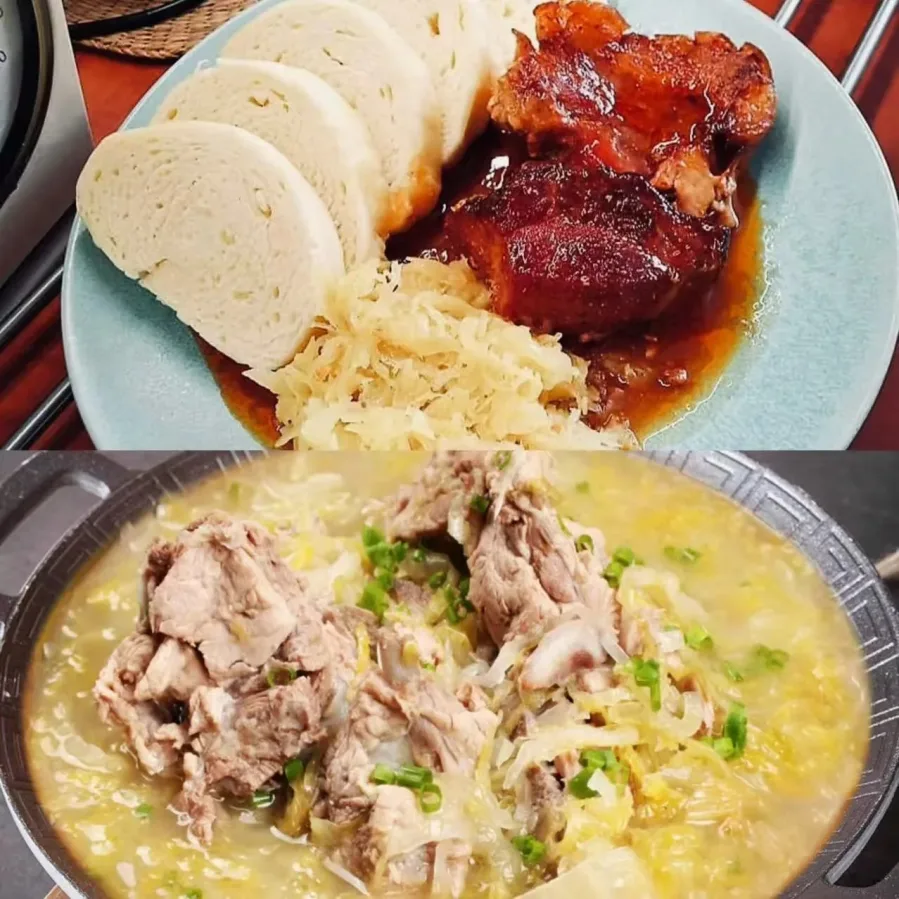
This convergence from different directions is the inevitable result of similar climates and available raw materials. The long winters forced people in both regions to conserve energy and ferment vegetables. The sincere and honest nature of the local people is directly reflected in the dense portions and straightforward, distinctive flavours of their dishes. The similarity on the plate is thus a kind of silent applause across continents for the way they face the cold and generate warmth. In the next article, we'll look to the Yangtze River, where Czech and Chinese Jiangxi cuisine meet, to see how, with different patience, the two regions strive together for perfection in the art of ’being fat but not greasy.„.
Marie Liu
Comments
Sign in · Sign up
Sign in or sign up to comment.
…