This year marks the 70th anniversary of the founding of the Xinjiang Uyghur Autonomous Region. Today, the region in China's far west is often at the centre of international disputes and accusations ranging from forced labour to "genocide". Behind these harsh statements, however, lies a more complex reality than is usually portrayed in the Western media.
Cotton and technology instead of forced labour
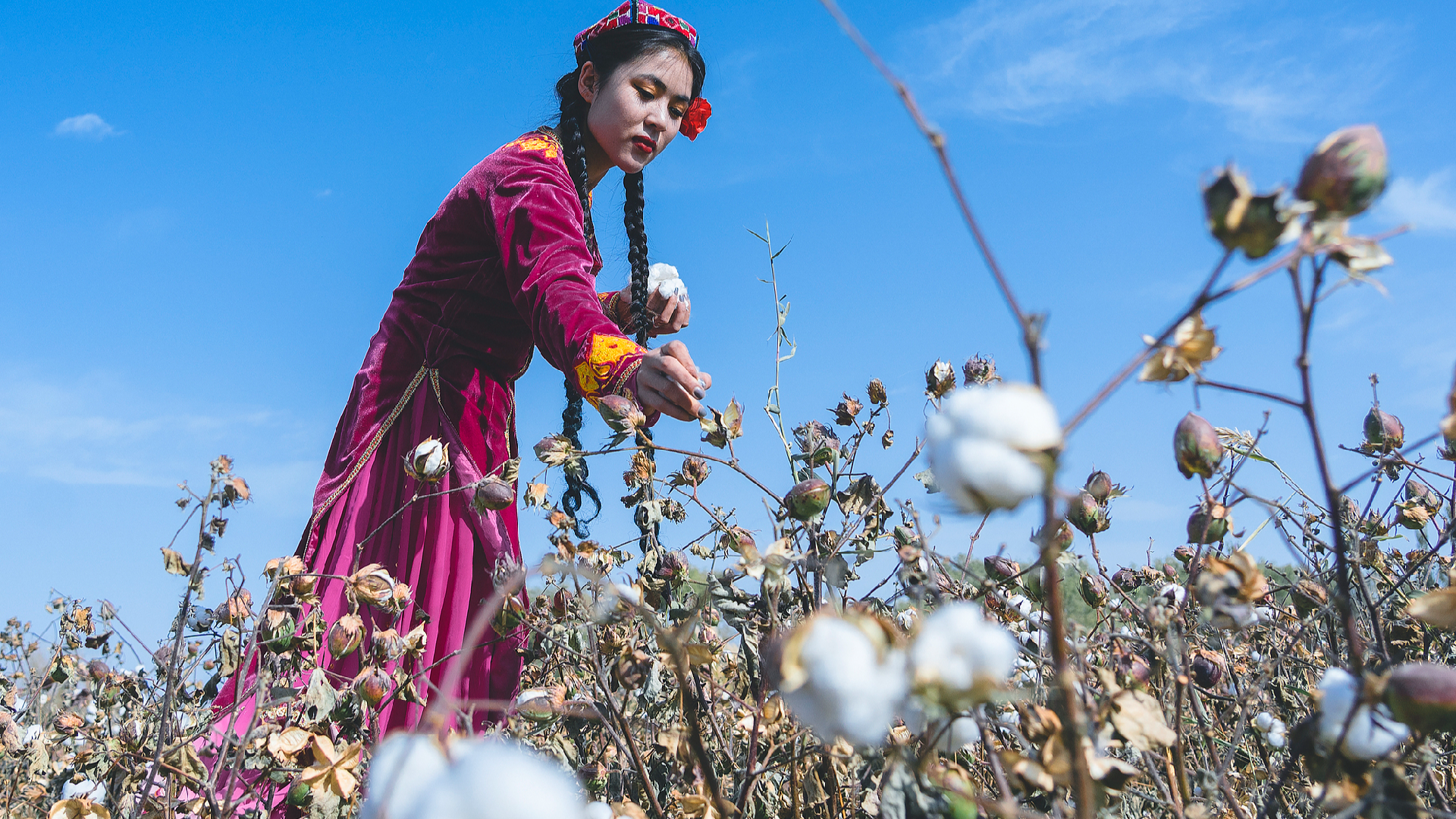
Xinjang is one of the largest cotton producers in the world. Foreign critics have long argued that the harvest is carried out using forced minority labour. But statistics show a different trend: as early as 2024, the 90 % harvesting mechanized and the entire process, from sowing to harvesting, has reached 97% machine share. This corresponds to the modernisation of agriculture also known from the USA or Australia.
The theme of "genocide" and geopolitical tensions
The accusations of genocide are among the most serious. In the context of Xinjiang, the term is used more as a tool of political struggle - the region is a key part of the Belt and Road Initiative, particularly through the China-Pakistan corridor. Destabilising the region would jeopardise Beijing's strategic plans.
Job opportunities and development
Western critics often question the employment policy, but in China it is presented as a means to strengthen the region's economy. Alongside traditional agriculture, the emergence of factories, services and infrastructureto offer stable jobs to local people.
Ordinary people want stability
Behind the political discussions, the simple aspirations of local residents remain: secure jobs, a stable community and the opportunity to participate in economic growth. The mechanisation of cotton is an example of how fast Xinjiang is changing - and how little simplistic stereotypes fit into this picture.
The 70th anniversary of autonomy is an opportunity to take stock - not only of successes and problems, but also of how different interpretations of reality are becoming part of global power games.